
How to Keep Decorated Furniture Looking New: An Upholstery Care Guide

You chose the fabric, styled the cushions, and arranged the throw just so. But upholstered furniture is a living part of your decor — it collects dust, absorbs odors, and fades with daily use!
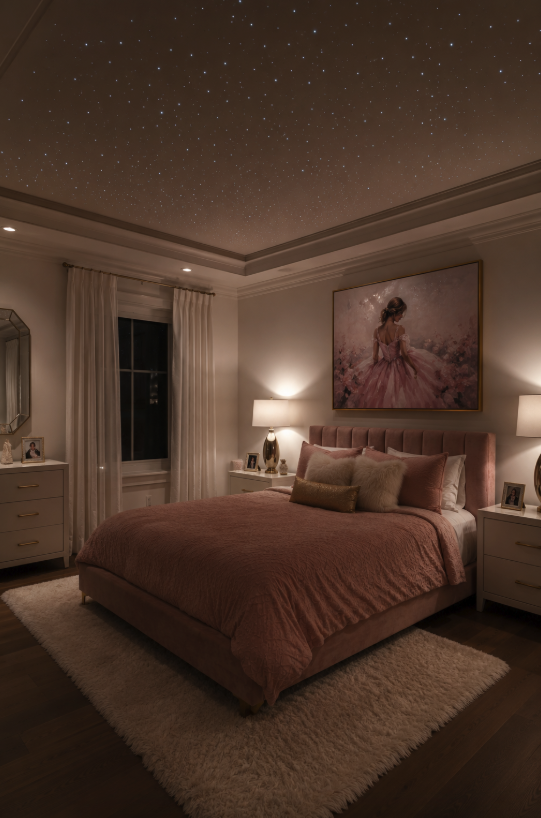
The good news is that keeping it looking freshly decorated doesn’t require professional equipment or harsh chemicals. It requires a routine. Here’s the upholstery care guide I wish someone had given me years ago.
1. Vacuum your upholstery every week — the right way
Dust is the slowest, quietest enemy of beautiful fabric. It works its way into the weave, dulls colors, and grinds against fibers every time someone sits down. A weekly pass with an upholstery attachment stops that damage before it starts.
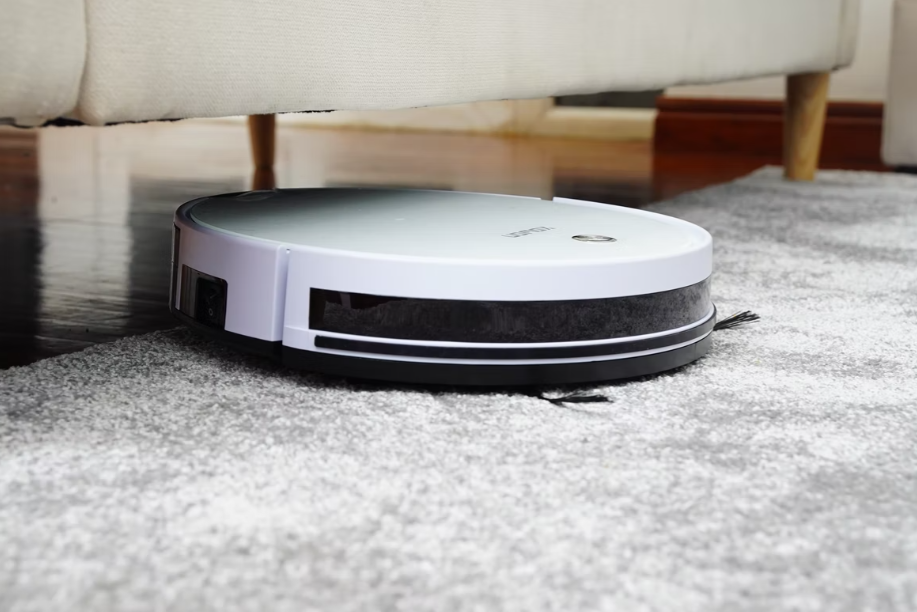
Use a low-suction setting and work in overlapping strokes, and don’t skip the crevices — crumbs, pet hair, and grit collect along seams, under cushions, and down the sides where the back meets the seat. A full-size vacuum is awkward for this job, which is why a handheld vacuum for furniture with a soft brush tool earns its keep: it’s light enough to maneuver across armrests and into corners, and you’ll actually use it because it takes two minutes instead of twenty.
2. Blot stains immediately — never rub
The first sixty seconds decide whether a spill becomes a story or a stain. Blot with a clean, dry cloth, working from the outside of the spot inward so you don’t spread it. Rubbing pushes the liquid deeper and frays the fabric surface, which is exactly how a small coffee splash becomes a permanent shadow.
For water-based spills, a dab of mild dish soap in cool water usually does the job. Always test any cleaner on a hidden patch first — the back of a cushion or the underside of a skirt — and let it dry fully before judging the result.

3. Rotate cushions and throws regularly
Sunlight, body weight, and daily habits wear furniture unevenly. The cushion everyone fights over will look tired months before the others. Flip reversible cushions weekly and rotate their positions monthly, the same way you’d rotate a mattress. It takes thirty seconds and doubles the time before any single cushion shows its age.
The same goes for throw blankets and decorative pillows: move them around so fading and compression stay even across the whole arrangement.
4. Protect fabric from direct sunlight
That sun-drenched reading corner photographs beautifully — and quietly bleaches your upholstery. UV light breaks down fabric dyes, and the damage is cumulative and irreversible. If rearranging isn’t an option, sheer curtains or UV-filtering window film cut the worst of it while keeping the light you love.
For pieces that simply must sit in the sun, consider a washable slipcover for the sunniest months. It preserves the fabric underneath and gives you a seasonal refresh for free.
5. Deodorize naturally with baking soda
Fabric absorbs the life of a home — cooking, pets, everyday living. Every month or two, sprinkle baking soda generously over upholstered surfaces, let it sit for at least twenty minutes (an hour is better), then vacuum it up thoroughly. It neutralizes odors without perfume or residue, and the vacuuming pass doubles as your regular dust removal.
For persistent pet odors, repeat the treatment rather than reaching for heavily fragranced sprays, which mask smells temporarily and can leave residue that attracts more dirt.

6. Keep the tool that cleans your furniture clean
Here’s the step most people skip: a vacuum with a clogged filter doesn’t clean — it redistributes. When filters load up with fine dust, suction drops and particles blow back onto the very fabric you just cleaned. If your handheld uses washable filters, rinse them every few weeks and let them dry completely before reinstalling; a damp filter grows mildew and undoes all your work.
Not sure what your model has? This overview of washable filters in handheld vacuums explains the pros, the cons, and how to tell when a filter is past saving. A two-minute filter rinse is the cheapest upholstery insurance there is.
7. Know when to call a professional
DIY care handles maintenance, not restoration. If you see water rings that won’t lift, color transfer from dark jeans, or a general dinginess that survives your whole routine, it’s time for a professional deep clean — ideally once every 12 to 18 months for heavily used pieces. Between visits, your weekly routine keeps the fabric in the condition the pros left it.
Beautiful furniture stays beautiful through small, consistent habits rather than occasional heroic efforts. Vacuum weekly, blot fast, rotate often, and keep your tools clean — your decor will look intentional for years, not months.
Marry Marlowe is a home cleaning specialist with 15 years of experience in vacuum care and home maintenance. She founded Vacuum Intel to help readers choose the right vacuum, use it effectively, and maintain it for years.