
Best Turkish Rugs For Living Room: How to Choose the Right Size, Style & Material
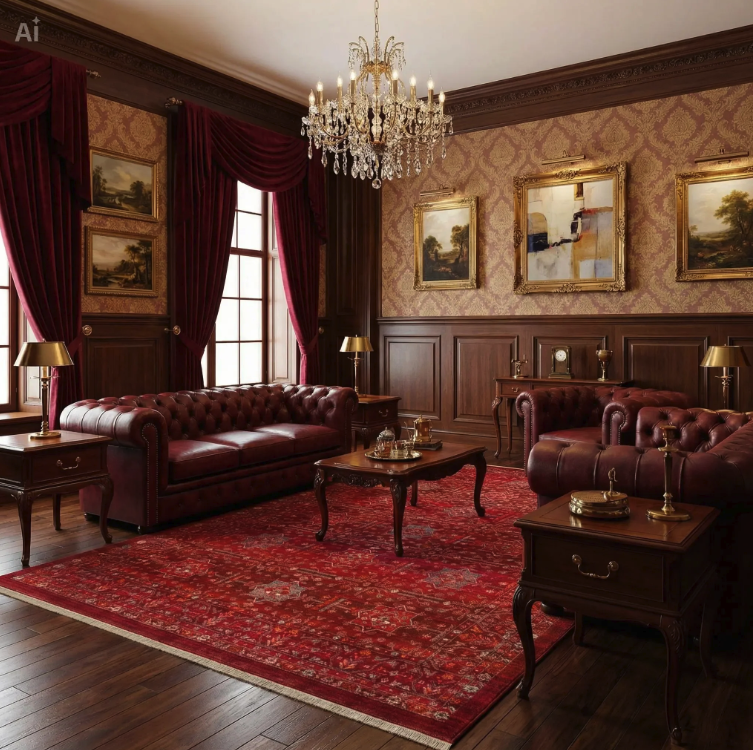
Choosing the right Turkish Rugs for your living room can completely change how the space feels. A well-chosen rug can define the seating area, introduce colour and texture, soften hard flooring and connect your sofa, chairs and coffee table into one balanced arrangement. Turkish-inspired designs are especially versatile because they can bring traditional character into both classic and contemporary interiors.
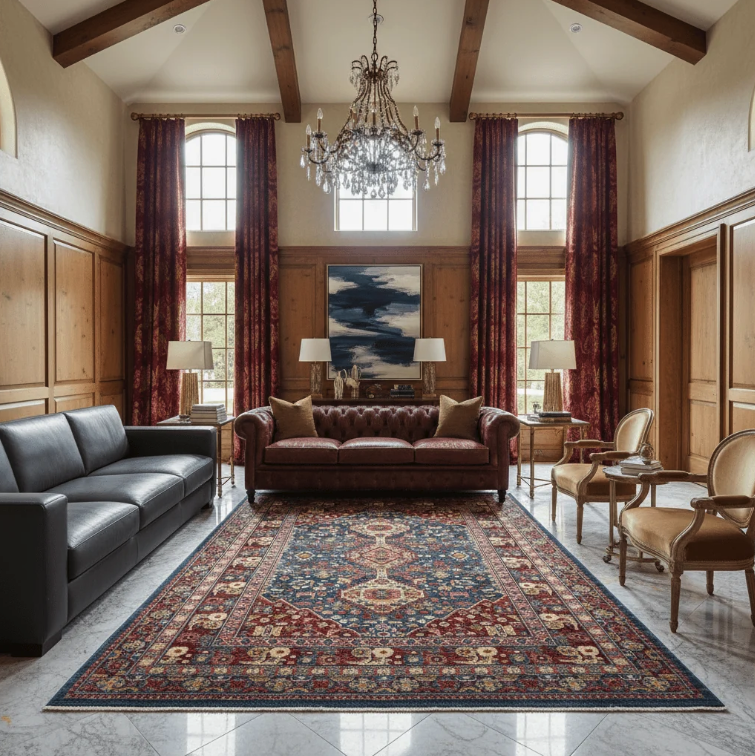
The best Turkish Rugs for living rooms are not simply the most colourful or decorative options. The right choice depends on your room size, furniture layout, lifestyle, preferred material and how much visual impact you want the rug to create. A detailed Anatolian-style rug may become the main focal point of one room, while a faded or neutral Turkish design may work better in a minimalist interior.
When choosing Living Room Rugs, size and placement are just as important as pattern. A beautiful rug that is too small can make furniture feel disconnected, while the correct proportions can make even a simple room look more complete and thoughtfully designed.
This guide explains how to choose the best Turkish rug for your living room, including size, style, material, colour, construction, sofa pairing and practical considerations for busy households.
Why Choose Turkish Rugs for a Living Room?
Turkish rugs have a distinctive decorative character that makes them particularly suitable for living spaces.
Their designs can range from richly patterned traditional rugs to faded vintage styles, geometric Kilims and more restrained contemporary interpretations.
This variety makes them suitable for many different interiors.
Turkish Rugs Add Character
Modern living rooms often contain large areas of relatively simple colour through sofas, walls, curtains and flooring.
A patterned rug introduces detail at floor level without requiring major changes to the room.
Even a relatively neutral Turkish-inspired rug can make the space feel warmer and more layered.
They Can Become a Natural Focal Point
In a room with cream, beige, grey or white furniture, a richly patterned rug can become the main visual feature.
Instead of filling the room with many decorative accessories, you can allow the rug to provide most of the colour and pattern.
They Work with Modern and Traditional Furniture
One of the biggest advantages of Turkish designs is versatility.
They can work with:
- Traditional wooden furniture
- Modern low-profile sofas
- Scandinavian interiors
- Bohemian rooms
- Luxury sitting rooms
- Eclectic spaces
- Contemporary open-plan homes
The rug does not need to match the furniture exactly. In many cases, contrast makes the combination more interesting.
What Makes a Good Turkish Rug for a Living Room?
Before focusing on colour or pattern, consider how the rug needs to function.
A good living room rug usually gets several things right.
Correct Size
The rug should connect the main furniture rather than appear isolated beneath the coffee table.
Suitable Material
The material should suit the level of foot traffic, comfort required and amount of maintenance you are comfortable with.
Practical Pile Height
Low and medium piles are often easier to manage in frequently used living rooms, while deeper rugs can provide additional softness.
Balanced Pattern
The amount of visual detail should complement the furniture and accessories already present.
Appropriate Colour
The rug does not need to match the sofa, but there should be some relationship between the colours.
Durable Construction
A busy family lounge needs a different rug from a formal sitting room that is used occasionally.
How to Choose the Right Turkish Rug Size
Size is one of the most important decisions when buying a living room rug.
Even an expensive or beautifully designed rug can look wrong if its proportions do not suit the seating arrangement.
Small Living Rooms
For compact spaces, rugs around 120 × 170 cm can work when positioned mainly in front of the sofa.
However, if the room allows it, a 160 × 230 cm rug often creates a more connected appearance because the front sofa legs can sit on the rug.
Medium Living Rooms
For many standard living rooms, 160 × 230 cm and 200 × 290 cm are useful starting points.
The larger option gives you more freedom to connect the sofa, armchairs and coffee table.
Large Living Rooms
Large lounges and open-plan spaces may need:
- 200 × 290 cm
- 240 × 340 cm
- Larger statement rugs
A bigger rug generally makes a spacious seating arrangement feel more unified.
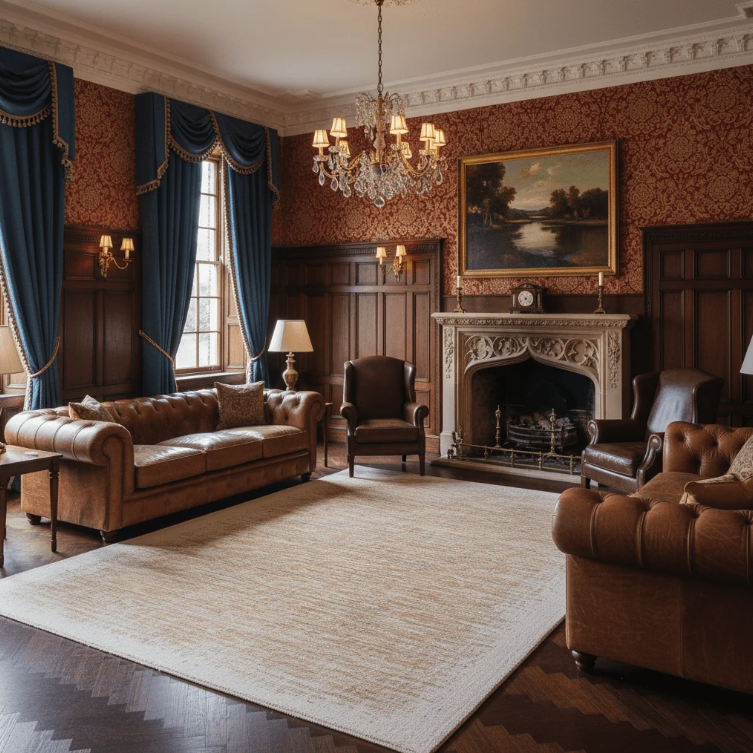
Turkish Rug Size Guide for Living Rooms
| Living Room Size | Rug Size to Consider | Suggested Placement |
| Compact | 120 × 170 cm | Mainly in front of sofa |
| Small to Medium | 160 × 230 cm | Front sofa legs on rug |
| Medium to Large | 200 × 290 cm | Sofa and chairs connected |
| Large/Open Plan | 240 × 340 cm+ | Most furniture within rug area |
These measurements should be treated as starting points rather than fixed rules.
Always measure your actual seating arrangement before ordering.
How Should a Turkish Rug Sit with Your Sofa?
The relationship between the rug and sofa determines whether the seating area feels connected.
Front Sofa Legs on the Rug
This is one of the most reliable arrangements.
The front legs of the sofa sit on the rug while the back legs remain on the main flooring.
Armchairs can follow the same arrangement.
This layout works particularly well in medium-sized living rooms.
All Main Furniture on the Rug
In a larger room, placing the sofa and chairs mostly or completely on the rug creates a more luxurious, clearly defined seating area.
This is also useful in open-plan homes where the rug needs to visually separate the living space from the dining or kitchen area.
Rug Completely in Front of the Sofa
A smaller decorative rug can sit entirely in front of the sofa.
This works best when the rug is still wide enough to relate to the furniture.
A very small rug beneath only the coffee table can make the seating area appear fragmented.
Turkish Rug Under the Coffee Table
This can work when the room is compact or when the rug is being used mainly as a decorative feature.
However, make sure enough of the pattern remains visible around the table.
Best Turkish Rug Styles for Living Rooms
Different Turkish rug styles create very different moods.
Traditional Anatolian Rugs
Anatolian-inspired designs often feature geometric motifs, decorative borders and warm colours.
They can work particularly well in:
- Traditional living rooms
- Eclectic interiors
- Rooms with wooden furniture
- Spaces that need more character
Their strong pattern can also create an attractive contrast with simple modern sofas.
Kilim-Style Rugs
Kilim rugs are known for flatter construction and strong geometric designs.
They can suit:
- Bohemian interiors
- Contemporary homes
- Casual living rooms
- Layered interiors
- Rooms where lower pile is preferred
Because they are flatter than many pile rugs, they can also be easier to position beneath furniture.
Medallion Turkish Rugs
Medallion designs feature a strong central motif.
These rugs work particularly well in symmetrical or formal living rooms where enough of the centre remains visible.
When using a medallion rug, consider the size of your coffee table.
A very large solid table may hide the feature that gives the rug much of its character.
Vintage and Distressed Turkish Rugs
Faded and distressed designs are among the easiest Turkish-inspired rugs to use in modern interiors.
They provide pattern and history without the stronger visual intensity of heavily saturated traditional colours.
They work especially well with:
- Grey sofas
- Cream furniture
- Pale wood
- White walls
- Contemporary accessories
Neutral Turkish Rugs
Turkish-inspired designs in cream, beige, stone, grey and muted blue can provide decorative detail without dominating the room.
These are ideal for minimalist and Scandinavian-style interiors.
Colourful Turkish Rugs
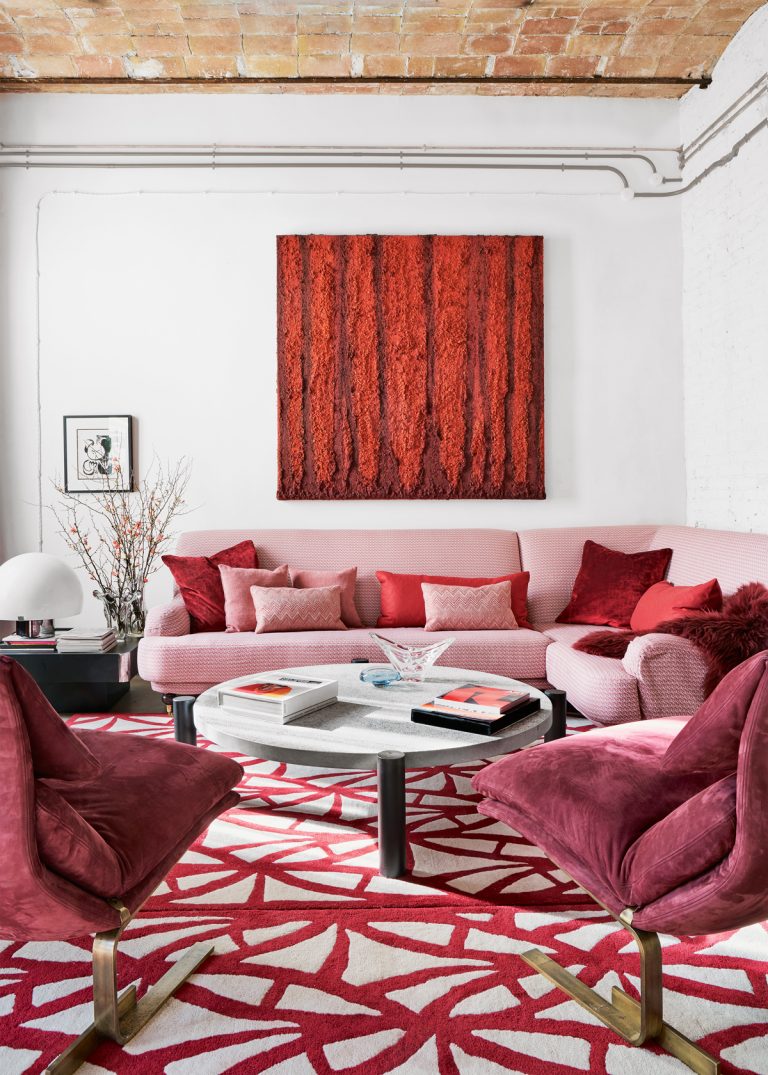
If the room is mostly neutral, a colourful Turkish rug can become the main decorative feature.
Rich reds, navy, green, rust and warm gold can all add personality.
Traditional vs Modern Turkish Rugs
| Feature | Traditional Turkish Rug | Modern Turkish Rug |
| Pattern | Detailed or geometric | Softer or simplified |
| Colour | Rich and warm | Neutral or muted |
| Best Interior | Classic or eclectic | Contemporary |
| Visual Impact | Strong | Refined |
| Styling Role | Statement feature | Balanced foundation |
Neither approach is automatically better.
The best option depends on how much visual impact you want the rug to create.
Best Materials for Turkish Living Room Rugs
Material affects comfort, durability, appearance and maintenance.
Wool Turkish Rugs
Wool is a traditional and highly valued rug material.
It is known for:
- Warmth
- Softness
- Durability
- Natural texture
Wool rugs can work particularly well in living rooms where quality and long-term use are priorities.
Cotton Rugs
Cotton rugs tend to feel lighter and more casual.
They can work well in relaxed interiors or rooms where a less formal appearance is preferred.
Wool-Cotton Blends
Blended constructions can combine some of the softness of wool with practical characteristics from other fibres.
Always check the specific product details rather than assuming all blends behave in the same way.
Polyester and Synthetic Rugs
Modern synthetic rugs can reproduce detailed Turkish-inspired patterns while providing practical everyday performance.
They may be particularly suitable for:
- Busy households
- Family rooms
- Everyday living areas
- Buyers looking for accessible price points
Silk and Silk-Blend Rugs
Silk and silk-blend designs can offer a more refined surface and decorative appearance.
They are generally better suited to formal or lower-traffic interiors where appearance is a higher priority than everyday practicality.
Low Pile vs High Pile Turkish Rugs
Pile height changes both the look and feel of a rug.
Low-Pile Rugs
Low-pile rugs can be useful for:
- Busy living rooms
- Easier vacuuming
- Homes with pets
- Contemporary interiors
- Furniture-heavy layouts
Medium-Pile Rugs
Medium pile provides a useful balance between softness and practical maintenance.
For many living rooms, this is one of the easiest options to live with.
High-Pile Rugs
High-pile rugs can create a softer and cosier appearance.
However, they may require more maintenance and can be less practical beneath frequently moved furniture.
How to Choose the Right Turkish Rug Colour
Colour can dramatically change how a room feels.
Rather than looking at the rug alone, consider your sofa, flooring, wall colour and natural light.
Red and Burgundy Turkish Rugs
Rich red and burgundy tones can add warmth and traditional character.
They work particularly well with:
- Cream sofas
- Beige furniture
- Grey upholstery
- Natural wood
- Neutral walls
Blue and Navy Turkish Rugs
Blue can create a slightly calmer effect while still allowing the rug to contain significant decorative detail.
Navy can anchor a bright room, while faded blue works well in lighter contemporary interiors.
Cream and Beige Turkish Rugs
Lighter Turkish designs can make a room feel more open.
They are especially useful where:
- Furniture is dark
- The room is compact
- You prefer a minimalist interior
- Strong colour already exists elsewhere
Green and Earthy Tones
Olive, rust, brown and muted green can work beautifully with wooden furniture and natural materials.
These tones are particularly suitable for warm, relaxed interiors.
Multicoloured Turkish Rugs
A multicoloured rug can actually make decorating easier.
Instead of matching every colour, choose one or two tones from the rug and repeat them subtly through:
- Cushions
- Throws
- Artwork
- Lamps
- Decorative accessories
How to Match a Turkish Rug with Your Sofa
You do not need an exact colour match.
In many cases, some contrast creates a more interesting room.
Grey Sofa + Turkish Rug
Grey is highly versatile.
Try:
- Burgundy
- Rust
- Navy
- Cream
- Muted multicolour designs
Warmer rug colours can help prevent a grey interior from feeling cold.
Beige Sofa + Turkish Rug
A beige sofa gives you freedom to use richer colours.
Traditional reds, blues, greens and geometric designs can all work well.
Cream Sofa + Turkish Rug
Cream furniture provides an excellent background for detailed Turkish patterns.
A strong rug can become the centrepiece of the room without overwhelming the furniture.
Dark Sofa + Turkish Rug
If your sofa is charcoal, dark brown or black, a lighter or medium-toned rug can prevent the room from feeling visually heavy.
Colourful Sofa + Turkish Rug
If the sofa already contains strong colour, choose a more restrained rug.
Look for a design that includes a small amount of the sofa colour rather than trying to match it exactly.
Turkish Rugs for Different Living Room Styles
Modern Living Room
Choose a faded, distressed or restrained Turkish design.
Keep the furniture simple and allow the rug to provide most of the pattern.
Traditional Living Room
Richly coloured Anatolian and medallion rugs naturally suit:
- Wooden furniture
- Classic sofas
- Decorative lighting
- Formal arrangements
Minimalist Living Room
Choose a Turkish rug with a limited palette.
Cream, beige, faded blue, stone and muted rust can add texture without making the room feel busy.
Bohemian Living Room
Kilim rugs and colourful geometric designs work naturally with:
- Plants
- Mixed textiles
- Vintage furniture
- Natural wood
- Collected accessories
Luxury Living Room
A large rug with refined pattern and balanced colours can anchor luxury furniture and create a more complete seating zone.
The size of the rug is particularly important in high-end interiors.
Scandinavian Living Room
Muted Turkish designs can add warmth to pale wood, white walls and neutral furniture.
A faded pattern often works better than a strongly saturated design in this setting.
Are Kilim Rugs Good for Living Rooms?
Yes.
Kilim-style rugs can be an excellent option when you want pattern without a thick pile.
Their flatwoven construction makes them suitable for furniture-heavy areas and modern interiors.
They are especially effective in:
- Bohemian spaces
- Eclectic rooms
- Contemporary interiors
- Layered rug arrangements
However, they may feel less cushioned than thicker rugs.
If comfort is the main priority, consider using a suitable rug underlay.
Turkish Rugs vs Persian Rugs for Living Rooms
Both Turkish and Persian designs can work beautifully in living rooms, but their visual character can differ.
| Feature | Turkish Rugs | Persian Rugs |
| Common Design Influence | Geometric and Anatolian | Floral and medallion |
| General Feel | Warm and characterful | Detailed and elegant |
| Works Well In | Modern, bohemian, eclectic | Traditional, formal, luxury |
| Pattern Character | Often geometric | Often intricate |
| Styling Role | Relaxed or statement | Refined or statement |
These are broad styling tendencies rather than strict rules.
Many individual rugs combine influences, and the right choice should ultimately depend on the specific room.
Handmade Turkish Rugs vs Machine-Made Turkish Rugs
This distinction is important when shopping.
Handmade Turkish Rugs
Handmade rugs may appeal to buyers who value:
- Traditional craftsmanship
- Individuality
- Construction methods
- Unique variations
- Long-term decorative value
The exact features depend on the individual rug, so always check the product description.
Machine-Made Turkish-Style Rugs
Machine-made rugs can provide:
- Consistent sizing
- Accessible pricing
- Repeatable designs
- Practical everyday use
- A broad range of colours and patterns
They can be a strong choice when the visual style matters more than traditional construction.
How to Tell if a Turkish Rug Is Good Quality
Do not judge quality only from the front photograph.
Check the details behind the design.
Check the Material
Find out whether the rug is made from:
- Wool
- Cotton
- Silk
- Polyester
- Synthetic fibres
- A blend
Different materials provide different levels of softness, durability and care requirements.
Check the Construction
Look for clear information about whether the rug is:
- Hand-knotted
- Handwoven
- Hand-tufted
- Machine-made
These terms describe different production methods and should not be treated as interchangeable.
Examine the Edges
Consistent edge finishing can help indicate how carefully the rug has been constructed.
Check the Back
Where photographs are available, the back of the rug can reveal useful information about weave and construction.
Look at Pattern Clarity
The design should look intentional and balanced.
However, handmade rugs may naturally contain variations that are part of their individuality.
Read the Product Information
Look for:
- Exact dimensions
- Material
- Construction
- Care instructions
- Origin where relevant
A good product page should give you enough information to understand what you are buying.
Are Turkish Rugs Practical for Busy Living Rooms?
They can be.
The answer depends more on the individual rug than on the words “Turkish rug”.
Consider:
- Material
- Pile height
- Construction
- Colour
- Pattern
- Cleaning requirements
- Level of foot traffic
A mid-tone patterned rug can be particularly practical because everyday marks may be less noticeable than on a very pale plain rug.
Turkish Rugs for Homes with Children
For busy family rooms, consider durable constructions and practical care requirements.
A highly delicate handmade rug may be better suited to a quieter room if spills are likely to be frequent.
Turkish Rugs for Homes with Pets
Think about:
- Pile height
- Ease of vacuuming
- Hair visibility
- Cleaning requirements
- Rug stability
Lower- and medium-pile options may be easier to maintain in many pet households.
Turkish Rug or Washable Rug?
| Priority | Turkish Rug | Washable Rug |
| Traditional Character | Strong | Depends on design |
| Easy Home Cleaning | Depends on material | Strong advantage |
| Handmade Options | Available | Less common |
| Family Practicality | Varies | Generally high |
| Decorative Value | Strong | Practical and decorative |
Neither option is universally better.
A washable rug mainly solves a practical cleaning need, while a Turkish or handmade rug may be chosen for character, construction and decorative impact.
Common Mistakes When Buying Turkish Rugs for Living Rooms
1. Buying Too Small
A rug that sits only beneath the coffee table can make the furniture look disconnected.
Measure your seating arrangement before ordering.
2. Choosing Colour Without Looking at the Sofa
Your rug does not need to match the sofa, but the two should work together.
3. Ignoring Material
Two rugs with similar patterns can perform very differently depending on their fibres and construction.
4. Choosing Pattern Without Considering Furniture
If the room already contains patterned upholstery, curtains and wallpaper, another highly detailed pattern may make the room feel too busy.
5. Assuming Every Turkish-Style Rug Is Handmade
Pattern alone does not tell you how a rug was produced.
Check the construction details.
6. Ignoring Care Requirements
A beautiful rug that is difficult to maintain may not suit a busy family living room.
7. Buying Based Only on Appearance
Consider size, durability, pile and cleaning requirements as well as design.
8. Forgetting Furniture Will Cover Part of the Rug
Think about where the sofa and coffee table will sit, especially when choosing a rug with a strong central design.
How to Style a Turkish Rug in a Modern Living Room
The easiest formula is:
Simple furniture + detailed Turkish rug.
A neutral sofa, plain walls and a simple coffee table provide enough visual space for a traditional rug to stand out.
You can then repeat one or two rug colours through cushions or accessories.
Avoid trying to match everything exactly.
A controlled amount of coordination generally looks more natural.
How to Create a Luxury Look with Turkish Rugs
Luxury styling is often more about scale and restraint than adding more decoration.
Choose a rug large enough to anchor the seating arrangement.
Then combine it with:
- Well-proportioned furniture
- Quality lighting
- Simple curtains
- Glass or wood tables
- Carefully selected metallic details
- A controlled colour palette
Avoid overcrowding the room with competing patterns.
Let the rug have enough space to become an important part of the interior.
How to Care for Turkish Rugs
Care requirements depend on material and construction, so always follow the instructions for the individual rug.
General good practice includes:
- Vacuuming regularly using a suitable setting
- Rotating the rug periodically
- Treating spills promptly
- Avoiding harsh cleaning chemicals
- Using a suitable rug underlay
- Protecting delicate rugs from excessive direct sunlight
- Using specialist cleaning for valuable or delicate handmade rugs where appropriate
Quick Decision Guide: Which Turkish Rug Is Right for Your Living Room?
| Your Priority | Turkish Rug to Consider |
| Modern room | Distressed or muted Turkish rug |
| Traditional interior | Anatolian-inspired rug |
| Bohemian style | Kilim-style rug |
| Neutral sofa | Richly coloured Turkish rug |
| Busy family room | Durable low- or medium-pile rug |
| Luxury interior | Large refined or handmade rug |
| Small living room | Lighter medium-sized rug |
| Statement feature | Bold geometric design |
How to Choose Your Turkish Living Room Rug in Five Steps
Step 1: Measure the Seating Area
Measure the sofa, chairs and available floor area rather than relying only on the overall room dimensions.
Step 2: Choose the Right Size
Decide whether you want:
- Rug in front of sofa
- Front furniture legs on rug
- Most furniture on rug
Then choose the size accordingly.
Step 3: Decide the Rug Style
Choose between:
- Traditional
- Kilim
- Medallion
- Vintage
- Distressed
- Neutral
- Colourful
Step 4: Match Colour with Furniture
Use the sofa, flooring, curtains and walls as reference points.
Do not try to match every shade exactly.
Step 5: Check Material, Construction and Care
Before ordering, confirm:
- Material
- Pile height
- Construction
- Dimensions
- Cleaning requirements
The best rug is one that works both visually and practically.
Final Thoughts: Choosing the Best Turkish Rug for Your Living Room
The best Turkish rug for a living room is not necessarily the boldest, most expensive or most traditional option.
It is the rug that fits the seating arrangement correctly, complements the furniture and suits the way the room is actually used.
Start by measuring your space. Then decide whether you want the rug to become the main visual feature or provide a quieter foundation for the furniture.
Large Living Room Rugs can help create a more connected seating area, while carefully selected Turkish Rugs can introduce pattern, warmth and individuality.
Whether your interior is modern, traditional, bohemian, minimalist or luxurious, the right Turkish-inspired rug can make the entire living room feel more complete.
Frequently Asked Questions
Are Turkish Rugs good for living rooms?
Yes. Turkish rugs can work particularly well in living rooms because their patterns and colours can connect furniture while adding warmth and character. The best choice depends on your room size, furniture and the specific rug’s material and construction.
What size Turkish rug should I buy for my living room?
Compact living rooms may suit 120 × 170 cm or 160 × 230 cm rugs. Medium rooms often work well with 160 × 230 cm or 200 × 290 cm rugs, while larger spaces may benefit from 240 × 340 cm or larger designs.
Are Turkish Rugs suitable for modern living rooms?
Yes. Distressed, faded and geometric Turkish rugs can look especially effective with contemporary furniture because traditional pattern creates contrast with clean modern lines.
What is the best material for a Turkish rug?
There is no single best material for every room. Wool is valued for warmth and durability, cotton can provide a lighter feel, and modern synthetic materials can offer practical everyday performance.
Are Kilim rugs good for living rooms?
Yes. Kilim rugs can work particularly well in modern, bohemian and eclectic living rooms. Their flatwoven construction makes them relatively easy to position beneath furniture.
Should a Turkish rug go under the sofa?
It can. One of the most common arrangements is to place the front sofa legs on the rug. In larger rooms, the entire sofa may sit on the rug, while smaller rugs can sit in front of the sofa.
What colour Turkish rug goes with a grey sofa?
Grey sofas work with many colours. Burgundy, rust and red can add warmth, navy creates a more restrained look, while cream and faded multicoloured designs can keep the room lighter.
Are handmade Turkish Rugs better than machine-made rugs?
They serve different purposes. Handmade rugs may appeal to buyers interested in craftsmanship and individuality, while machine-made Turkish-style rugs can provide consistent sizing, accessible pricing and practical everyday use.
Are Turkish Rugs suitable for homes with pets?
Some are. Consider the individual rug’s pile height, material, construction and care requirements. Lower- and medium-pile designs may be easier to maintain in many pet households.
How can I tell if a Turkish rug is good quality?
Check the material, construction, finishing, dimensions and care information rather than relying only on the pattern. Product descriptions should clearly explain how the rug was made and what materials were used.
Turkish Rugs vs Persian Rugs: which is better for a living room?
Both can work well. Turkish designs often feature stronger geometric and Anatolian influences, while Persian designs are frequently associated with floral and medallion patterns. The better choice depends on the furniture, colour scheme and atmosphere you want to create.