
Match or Mix? How to Coordinate Kitchen Lighting Hardware
Creating a beautiful kitchen is about more than choosing the right cabinets or countertops!
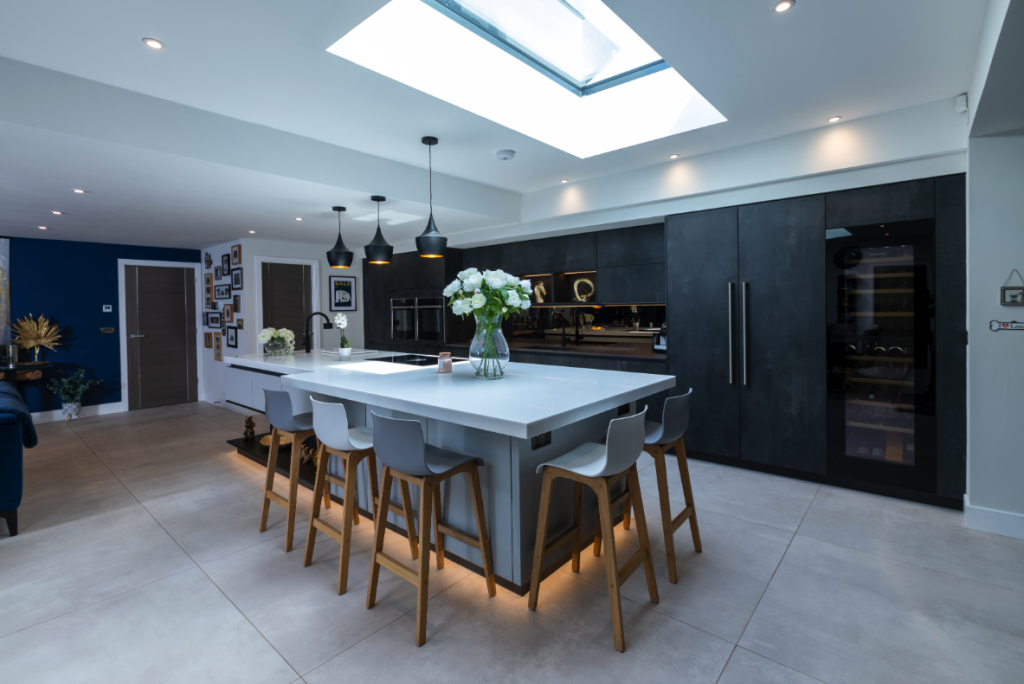
A cohesive, high-end look often comes down to the small details—like how your lighting hardware and cabinet pulls work together. Thoughtful coordination between these finishes can make the entire space feel intentional, balanced, and pulled together, whether you lean modern, traditional, or somewhere in between.
Why Coordination Matters
Lighting fixtures and cabinet hardware sit at eye level and are among the most noticeable details in any kitchen. When they clash or feel random, the whole room can look disjointed, even if everything else is brand new. On the other hand, when finishes relate to each other, the space feels calmer and more polished.
Coordination does not mean everything has to be identical. Today’s design trends embrace mixing metals, but those mixes still follow subtle rules. By understanding how to match or mix your finishes with intention, you can create a kitchen that looks professionally designed without hiring a designer.
When Matching Finishes Works Best
Matching finishes is a no-fail strategy, especially if you feel unsure about design decisions. Using the same metal for your cabinet pulls, knobs, and lighting hardware creates an immediate sense of unity. For example, brushed nickel pulls paired with brushed nickel pendants and a matching faucet give a streamlined, cohesive vibe that never feels too busy.
Matching is especially helpful in small kitchens, galley layouts, or spaces with a lot of visual activity in the backsplash or countertops. In these rooms, consistent finishes keep the eye from bouncing around and help your other design choices stand out. If you love colorful cabinets, bold veining on your countertops, or patterned tile, keeping hardware and lighting aligned can prevent visual overload.
How to Mix Metals Without Chaos
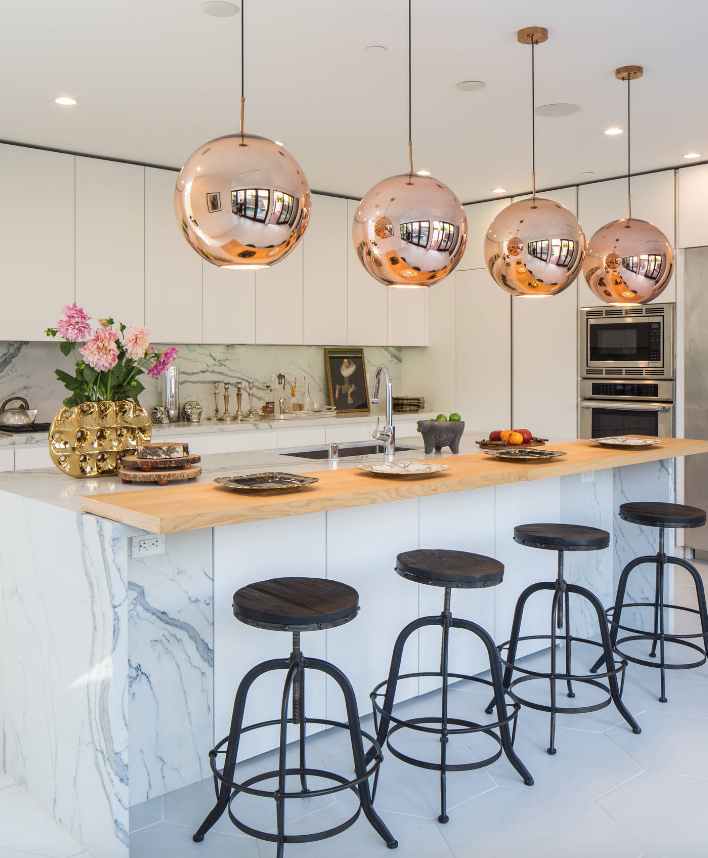
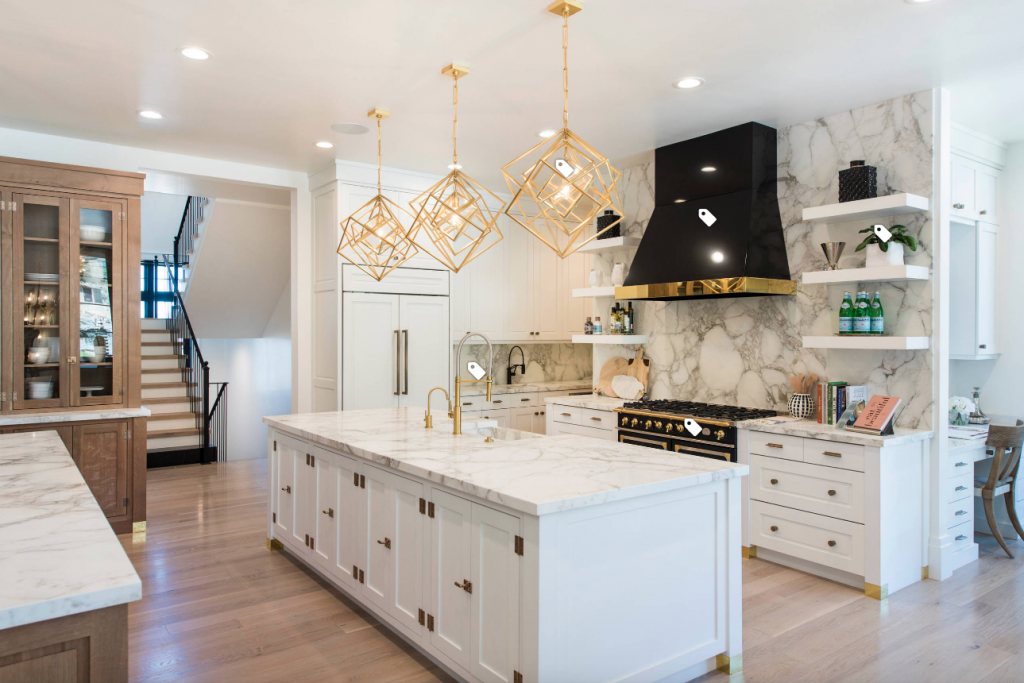
If you prefer a more layered, designer look, mixing metals can add depth and personality. The key is to be strategic. Start by choosing one dominant metal that appears in at least half of the visible fixtures. This might be the finish on your faucet and most of your cabinet pulls. Then introduce one accent metal in a smaller dose—often in the lighting, such as custom glass pendant lights with a contrasting metal finish. Use that accent at least twice so it feels intentional, not accidental.
A common formula is to tie your dominant metal to your appliances and faucet (for example, stainless or brushed nickel) and use a warmer accent metal like brass or bronze in the lighting and a few statement handles. Cool and warm metals can live together beautifully as long as each is repeated and the undertones in your cabinets and counters support them.
Simple Rules for a Cohesive Look
To keep your kitchen feeling coordinated instead of chaotic, follow a few simple guidelines. First, limit yourself to two, at most three, different metal finishes in one space. More than that tends to look cluttered unless you are working with a very large, open-concept layout and a professional-level design plan.
Second, repeat each finish at least twice. If you choose matte black for your island pendants, consider echoing it in the island hardware or a nearby door handle. If brass appears on a chandelier, repeat it in a few cabinet pulls or a pot filler. This repetition creates visual rhythm and helps each finish feel like part of a larger story.
Coordinating With Your Existing Features
Most kitchens start with at least one fixed element: stainless steel appliances, a specific faucet
finish, or existing pulls. Rather than fighting those features, treat them as your anchor and build around them. If you already have stainless appliances and a chrome faucet, for example, that cool, silvery family naturally becomes your dominant metal.
From there, decide whether you want your lighting hardware to blend or stand out. Blending means choosing similar cool-toned finishes for pendants and ceiling lights, reinforcing a sleek, modern feel. Standing out might mean adding warm brass on light fixtures and a few cabinet pulls to bring in contrast and warmth. Both approaches can look cohesive when the balance is deliberate.
Style Cues From Your Cabinets and Counters
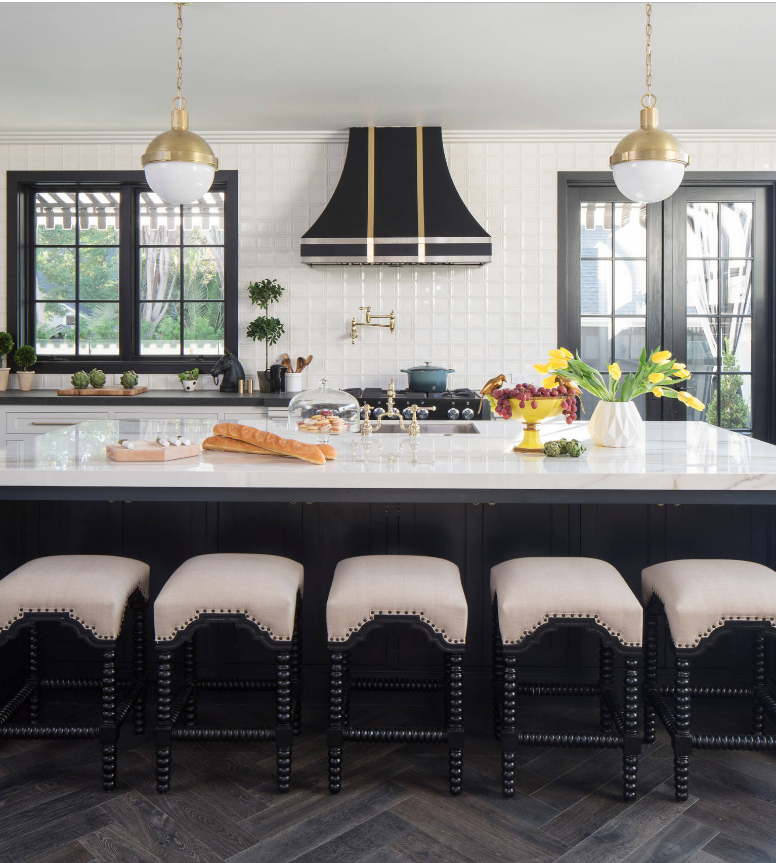
Your cabinetry style and countertop material can help guide finish decisions. Shaker cabinets and natural stone pair well with warmer metals like brushed brass and bronze, which add softness and a hint of classic charm. High-gloss or very modern flat-front cabinets tend to suit cooler finishes like polished chrome or matte black, which reinforce a clean, contemporary edge.
Pay attention to undertones in your counters and backsplash. Warm whites, creams, and beiges usually look best with warm metals, while blue-grays and crisp whites pair best with cooler finishes. Matching the temperature of your metals to those surfaces strengthens the sense of harmony in the room.
Making Your Final Decision
If you are torn between matching and mixing, start by matching in the most visible fixtures and carefully introduce a secondary metal in small doses. You can always add more of the accent later through additional pulls, barstools, or decorative accessories if you like the direction. This step-by-step approach keeps the process low-risk while still allowing for creativity.
Ultimately, there is no single “right” answer—only what feels balanced, intentional, and true to your style. When your kitchen lighting hardware and cabinet pulls either match confidently or mix with a clear plan, the result is a cohesive look that feels elevated every time you flip the switch and walk into the room.