
Creating a Home That Supports Relaxation and Well-Being

Our homes are more than just places to live—they are sanctuaries that influence our mood, health, and overall quality of life!
In today’s fast-paced world, creating a space that promotes relaxation and well-being is essential. Thoughtful design choices can transform any home into a calming retreat, helping you recharge and find balance. This article explores practical strategies for designing a home that nurtures comfort, peace, and wellness.
Embrace Natural Light and Airflow
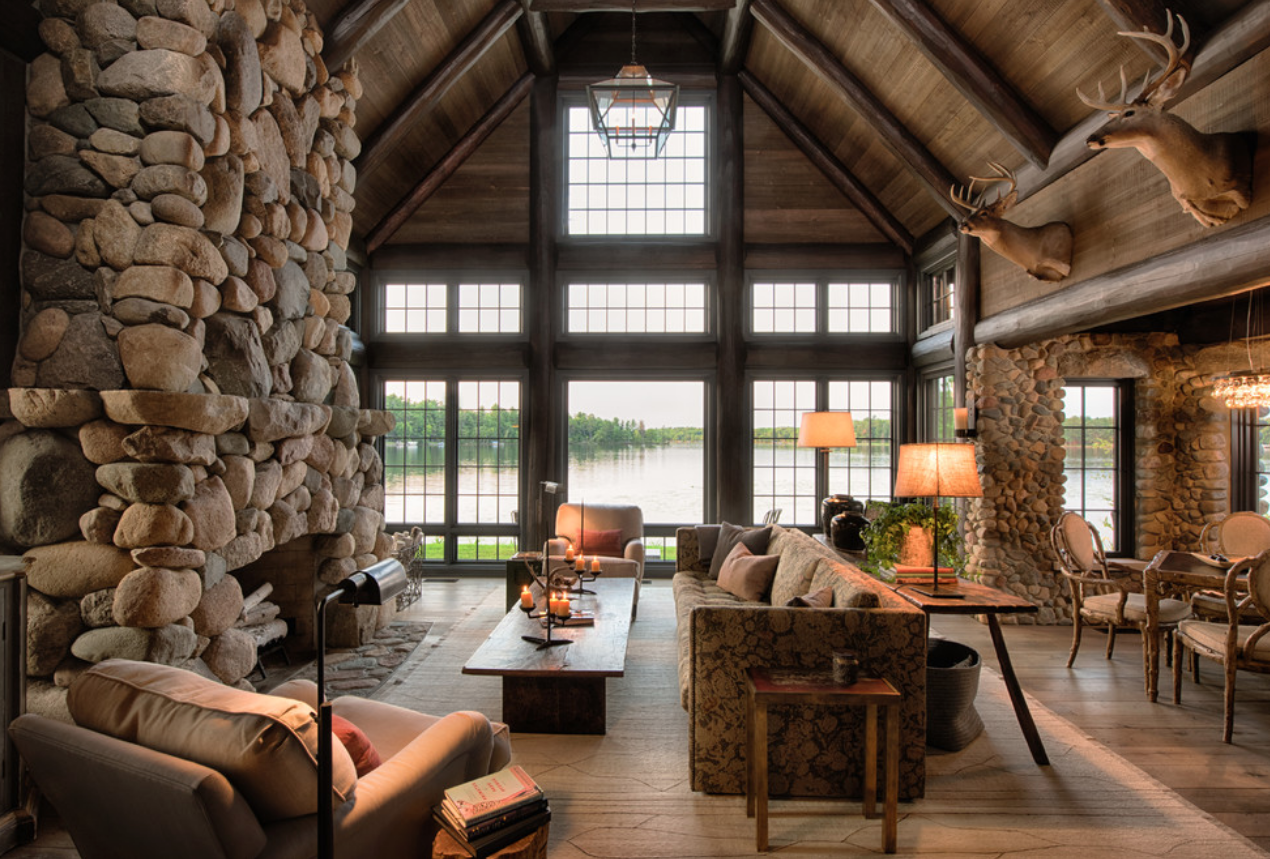
Natural light has a profound impact on mental health and energy levels. Homes that maximize sunlight feel more open, cheerful, and inviting. Consider installing larger windows, skylights, or glass doors to bring the outdoors in. Pair this with proper ventilation to ensure fresh air circulates throughout your space. Good airflow not only improves indoor air quality but also creates a sense of freshness that enhances relaxation.
Choose Calming Colors and Textures
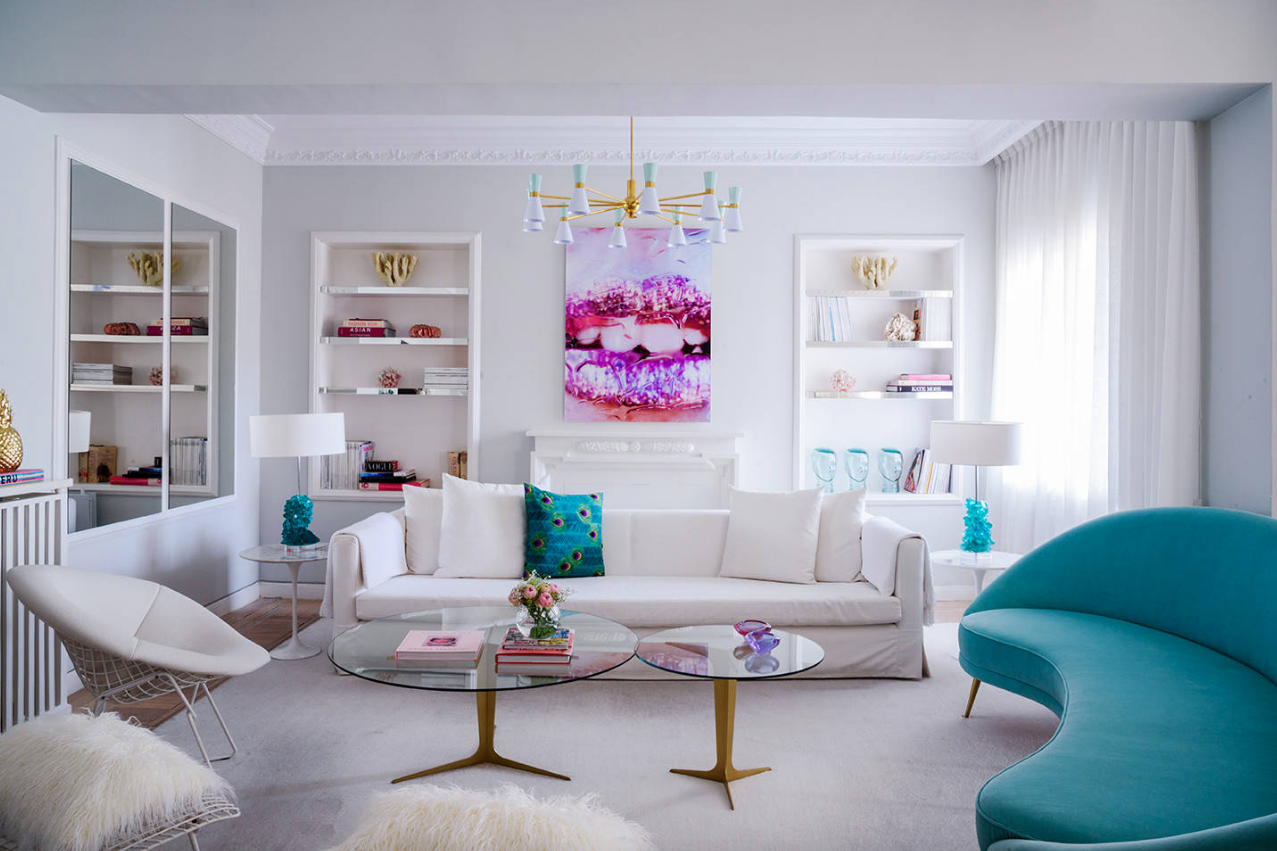
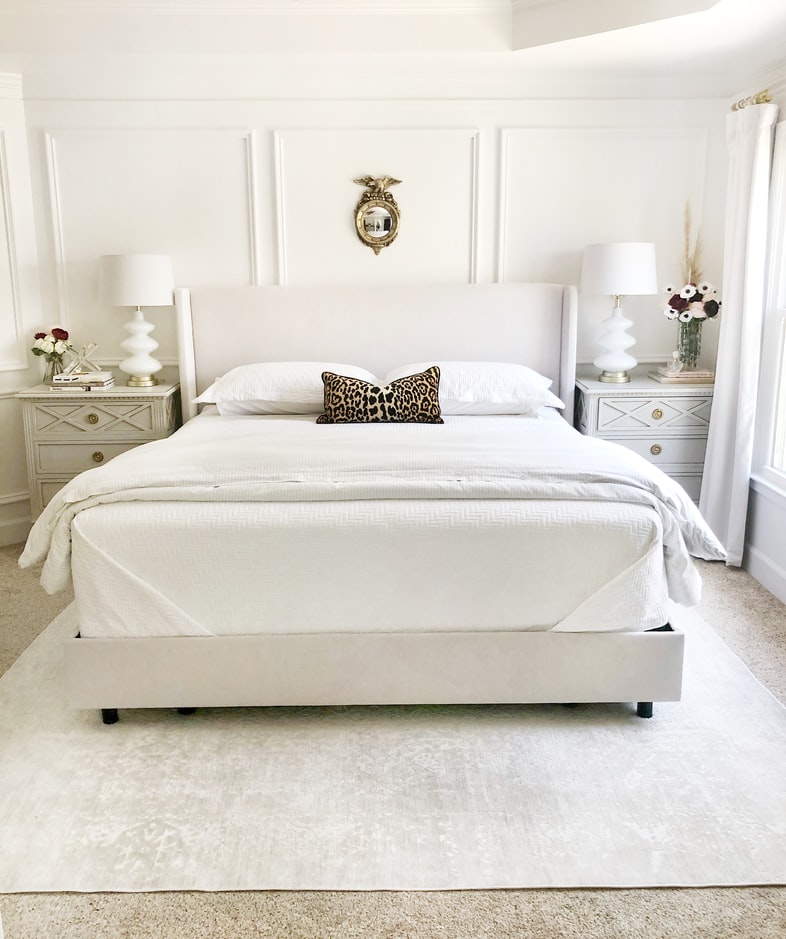
Color psychology plays a significant role in creating a soothing environment. Soft, neutral tones like beige, light gray, and muted blues evoke calmness and serenity. Incorporate natural textures such as wood, linen, and stone to add warmth and tactile comfort. These elements work together to create a harmonious atmosphere that encourages relaxation. Avoid overly bright or harsh colors in spaces meant for unwinding, such as bedrooms and living rooms.
Design Functional and Comfortable Spaces
A well-organized home reduces stress and promotes peace of mind. Invest in functional layouts that prioritize comfort and accessibility. For example, create cozy reading nooks, meditation corners, or spa-like bathrooms where you can escape daily pressures. If you’re planning a major renovation or custom build, working with professionals who specialize in design build in Colorado can help you achieve a seamless blend of aesthetics and functionality. Their expertise ensures that every detail supports your vision for a relaxing home environment.
Incorporate Nature Indoors
Bringing nature inside is one of the most effective ways to foster well-being. Houseplants not only purify the air but also add a sense of tranquility to any room. Consider low-maintenance greenery like snake plants, peace lilies, or succulents for easy care. Natural elements such as water features, stone accents, and wooden furniture further enhance the connection to nature, creating a space that feels grounded and restorative.
Prioritize Quiet and Privacy
Noise pollution can significantly impact stress levels and sleep quality. To create a truly relaxing home, prioritize soundproofing and privacy. Use thick curtains, rugs, and upholstered furniture to absorb sound. If possible, designate quiet zones away from high-traffic areas for activities like reading, yoga, or meditation. These spaces provide a refuge from external distractions, allowing you to recharge in peace.
Conclusion
A home designed for relaxation and well-being is an investment in your health and happiness. By embracing natural light, choosing calming colors, creating functional spaces, incorporating nature, and prioritizing quiet, you can transform your living environment into a sanctuary. Thoughtful design choices not only enhance comfort but also support a lifestyle centered on balance and tranquility.