
Cleaning Myths That Accidentally Attract Pests to Your Kitchen

You spend Sunday afternoon in the kitchen. The counters shine, the floor smells like lemon, and the sink sparkles. By Tuesday morning, a thin line of ants is marching from the window frame straight to the toaster!

It feels unfair, but there’s a reason. Most of the cleaning habits we picked up from parents, roommates and quick video hacks are about how a kitchen looks. Ants, cockroaches and pantry beetles care about the food, water and shelter left behind in places nobody checks.
Why a spotless kitchen can still feed ants and roaches
In humid kitchens, the cabinet under the sink, the gap behind the fridge and the back corners of the pantry floor stay damp longer, and that moisture draws ants and roaches in. A guide to common pest hotspots around West Palm Beach homes shows where else to look. Even in a drier climate, those same three spots are usually where trouble starts.
Here’s what the two most common kitchen invaders look like, and what they carry:
| Kitchen pest fact | Figure |
|---|---|
| Human pathogens cockroaches can spread | 7 kinds |
| Parasitic worms linked to cockroaches | 6 kinds |
| Bacteria cockroaches can spread | 33 different kinds |
| Typical size of kitchen ants (odorous house, Argentine, pavement) | About 1/3 to 1/2 inch long |
| Typical size of kitchen cockroaches | About 2/3 inch to 3 inches long, drawn to dark, moist areas |
According to Pestworld, cockroaches can trigger allergic reactions and spread seven human pathogens, six parasitic worms and 33 different kinds of bacteria. A few skipped chores can become a health problem. The mess you can’t see matters more than the one you can.
Wiping the counters isn’t the finish line
The myth goes like this: if the counter is clean, the kitchen is clean. People believe it because the counter is where the mess shows up. Spilled juice, a smear of peanut butter, a scatter of crumbs. You wipe it, it’s gone, job done.
Those visible crumbs are a small share of what’s on offer. Every time you slice bread or shake a cereal box, bits bounce into the gap between the stove and the counter. The toaster’s crumb tray fills for months. A fine film of cooking grease settles on the backsplash, the range hood filter and the top of the fridge, and cockroaches will happily eat grease when nothing else is around.
Floors count too. Grout lines and wide plank seams trap crumbs that a quick sweep misses, which is part of why flooring matters in a family kitchen as much as the counters do. Once a week, empty the toaster tray over the trash. Run a flat duster, or a yardstick wrapped in a microfiber cloth, under the fridge and stove. Then wipe the backsplash with warm water and a squirt of dish soap.
Ten minutes, and the buffet is closed.
The damp sink nobody thinks about
A wet sponge on the edge of the sink seems harmless. So does a little water sitting in the basin overnight. Water is clean, and a sponge is a cleaning tool. How could either one cause trouble?
To an ant or a roach, water is half the reason to move in. Cockroaches can survive longer without food than without water, so a sink that stays wet from dinner until breakfast works as a reliable drinking fountain. A soggy sponge adds food scraps and bacteria to the mix.
The fix is mostly drying things out. Wring sponges hard and stand them upright in a caddy so air reaches both sides. Every few days, sanitize them in the dishwasher or give them a minute in the microwave while damp. Before bed, run a towel around the sink basin. Once a week, pour a kettle of hot water down the drain to clear the grease coating the pipe walls.
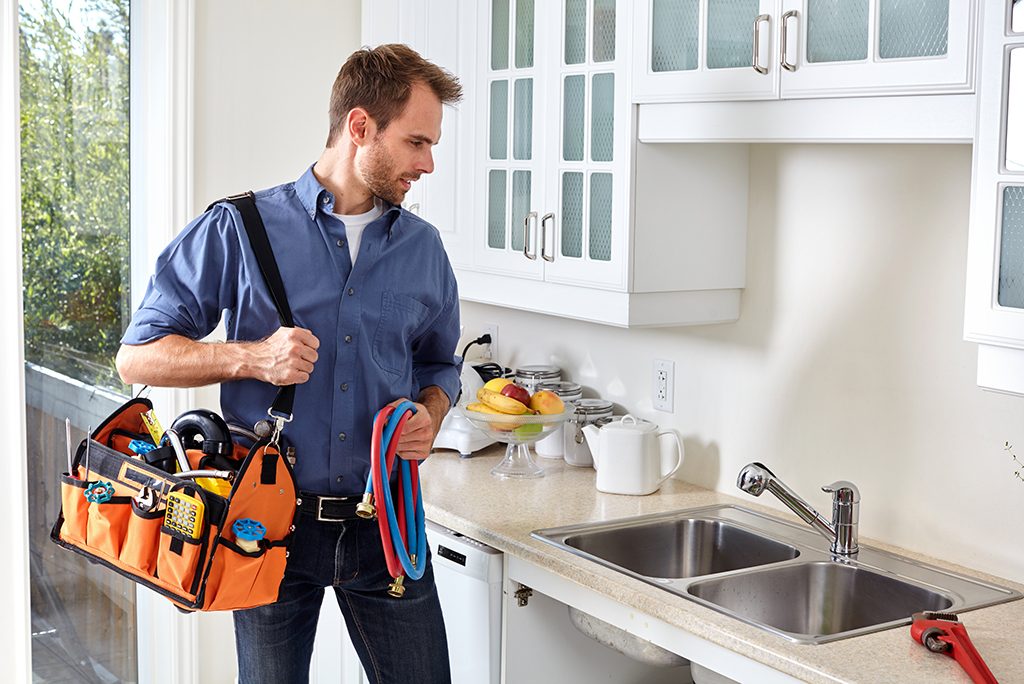
Then open the cabinet below. Lay a dry paper towel under the drain trap and the supply lines, and check it the next morning. A damp spot means a slow drip, and a slow drip in a dark cabinet is exactly the setup roaches look for. Tightening a slip nut by hand often solves it. If not, it’s a cheap plumbing call that pays for itself.

Pantry boxes aren’t pest-proof
This one catches almost everyone. Flour, rice, crackers and cereal come sealed from the store, so leaving them in their original packaging feels safest. The box looks sturdy. The bag inside is plastic. What could get through?
Quite a lot. Pantry beetles and moth larvae chew through thin cardboard and plastic film with ease, and a folded-over bag top is an open door. Some infestations arrive already inside a product, which is how one bag of flour can spread to everything on the shelf within a few weeks.
Move dry goods into airtight glass or plastic containers with gasket lids as soon as you unpack groceries. If you’ve had pantry moths before, put a new bag of flour or cornmeal in the freezer for four days first. Pet food counts too: a 30-pound bag of kibble on the laundry room floor draws ants faster than anything on the counter.
A short weekly routine keeps it all working:
- Pull everything off one pantry shelf and vacuum the corners with a crevice tool.
- Wipe container lids and rims where sticky residue builds up.
- Check dates on open items and toss anything stale or clumped.
- Empty the kitchen trash nightly and rinse the can’s bottom every Saturday.
- Look under the sink for drips, droppings or chewed packaging.
Start with the shelf you use least. That’s usually where a forgotten box of pasta has been quietly hosting guests. Clear it tonight, and you’ll know right away whether your pantry needs a deeper clean or just better containers.