
The Ultimate Guide to Choosing Statement Pieces and Home Accessories
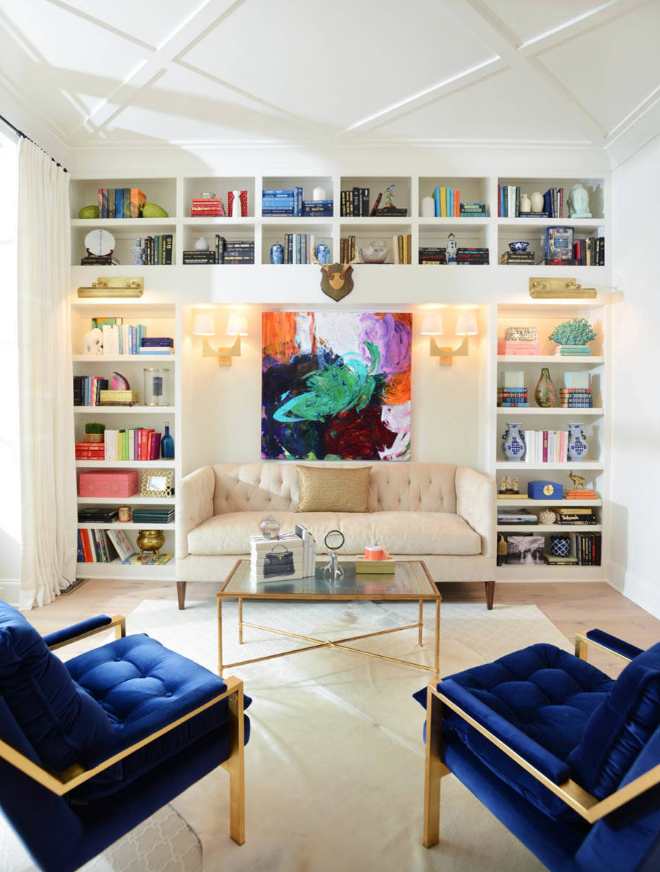
Make your home stand out with a centerpiece, follow our easy and creative decorating ideas!
There’s a reason some rooms stay with you while others don’t. You might have seen it in a magazine, walked into it at a friend’s house, or stumbled across it online at eleven o’clock at night. You couldn’t quite explain what made it feel the way it did. You just knew you wanted to feel that way at home.
That feeling is rarely accidental. And it almost never comes from the furniture. It’s the result of carefully selected accessories that tie into an overarching theme.
The Wall is Where It All Begins
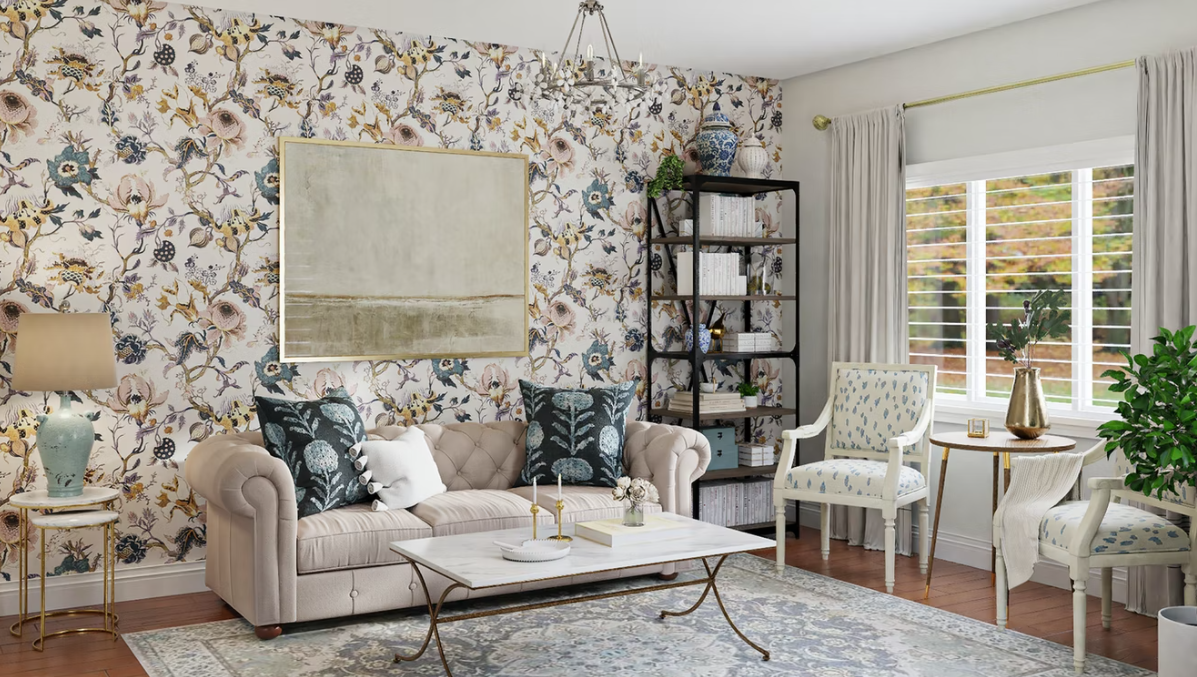
Before you choose a single accessory, look at your walls. The rooms that stay with us longest tend to have been built around a piece of art that sets the tone before anything else is chosen, giving the room its mood, palette, and personality.
The wall is the largest canvas you have, and the most underused. Wall art prints help shape the character of a space — they add colour and atmosphere, creating the perfect backdrop for your accessories. When choosing, trust your instincts over trends and don’t be afraid to size up. A print that fills the wall with intention will always have more presence than something that sits cautiously in the middle of it. A large canvas doesn’t just decorate a wall; it gives the whole room something to organise itself around.
Use Art As Your Guide
One of the most powerful things a piece of art can do is tell you what your room needs next. Find something you love, something that makes you feel something when you look at it, and then follow its lead.
Wall art prints are among the most flexible starting points for any room, spanning every mood and aesthetic from bold abstract works to more understated botanical pieces and graphic typographic prints. Browsing with an open mind rather than a shopping list often leads you to the piece that makes everything come together. Once you have it, use it as your compass for every accessory decision that follows. The colours in the print become your palette.
Textiles: The Layer That Makes a House Feel Like a Home
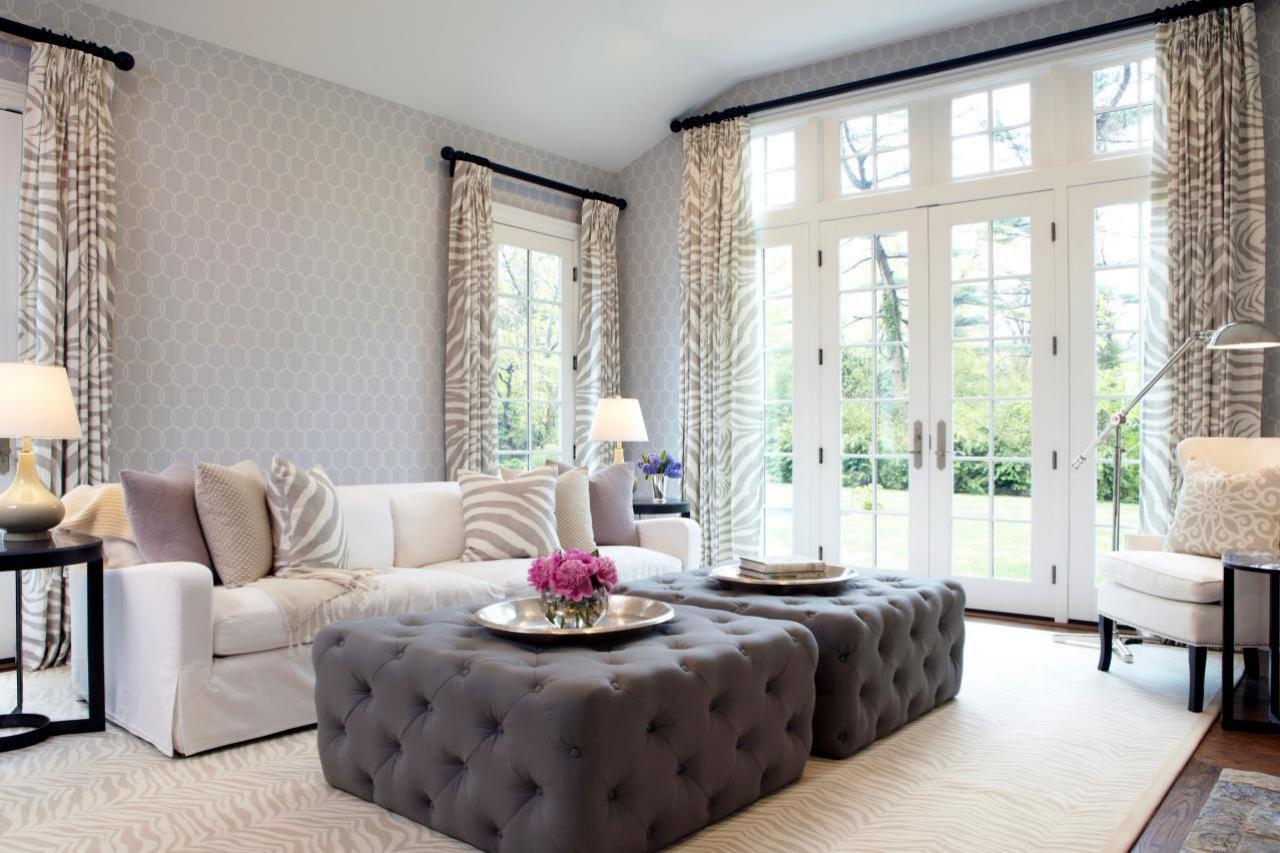
Textiles are where a room starts to feel lived in rather than just decorated. A woven linen throw, a stack of cushions in complementary tones, a rug that grounds the whole space. These are the layers that make somewhere feel welcoming.
When choosing textiles, look to your art for direction. Pull one tone from the print and find it again in a cushion. Choose a throw in a neutral that echoes the canvas’s cooler or warmer undertones. Vary the textures rather than the colours. A room with four different shades of the same tone but three different textures will always feel richer than one with four different colours and no surface variation. Linen, cotton, wool, velvet: each one adds something the others can’t, and the more they contrast, the more interesting the room becomes.
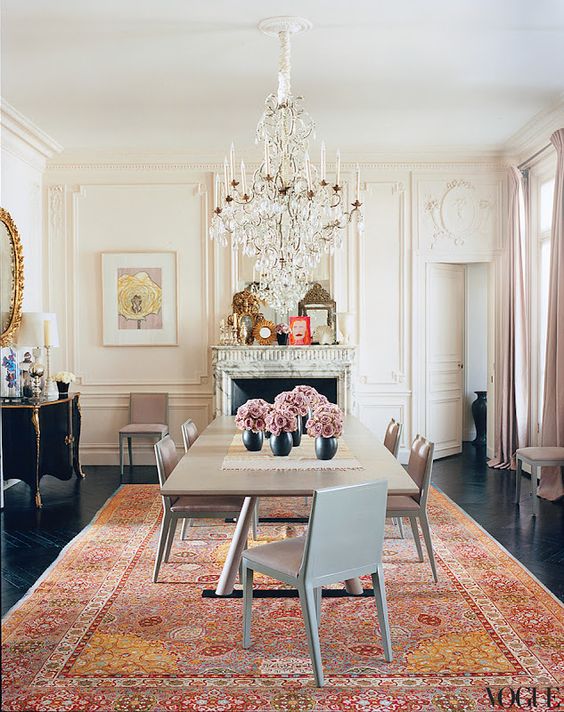
Ground Your Home with Handmade Ceramics
Handmade ceramics bring weight and permanence to a room. A hand-thrown vase, an earthenware pot, and ceramics introduce an organic, human quality that can’t be found in mass-produced products. There’s something about the slight irregularity of a handmade piece that makes a space feel genuinely cared for.
When choosing ceramics, consider form as much as colour. A sculptural piece with an unusual silhouette will hold its own beside strong art. For something more understated, look for matte finishes and simple shapes that let the texture speak for itself. Group ceramics in odd numbers and vary the heights. Try three pieces of different scales and resist the urge to coordinate everything. A little tension between pieces is what makes a shelf worth looking at twice.
Add Plants to Bring Your Rooms to Life
A plant does something no other accessory can. It brings the room to life in the most literal sense, introducing movement, growth and a connection to the natural world that makes a space feel cared for rather than just curated.
When choosing plants, think about shape as much as species. A fiddle leaf fig, with its broad, architectural leaves, makes a strong visual statement beside bold art. Trailing varieties soften shelves and add a sense of abundance. For rooms with more understated art, smaller sculptural plants — a single stem in a ceramic vase or a low succulent arrangement can be just as considered as something more dramatic. The best rooms tend to have at least one plant that surprises you a little.
The Art of Building Slowly
The best accessorised rooms aren’t the most decorated ones, but those that are built slowly and intentionally over time. Where the art and the textiles and the ceramics and the plants are all in conversation with each other.
Start with one strong piece on the wall you look at most. Let it show you what the room is becoming. Then build around it slowly, with patience and a willingness to wait for the right thing.
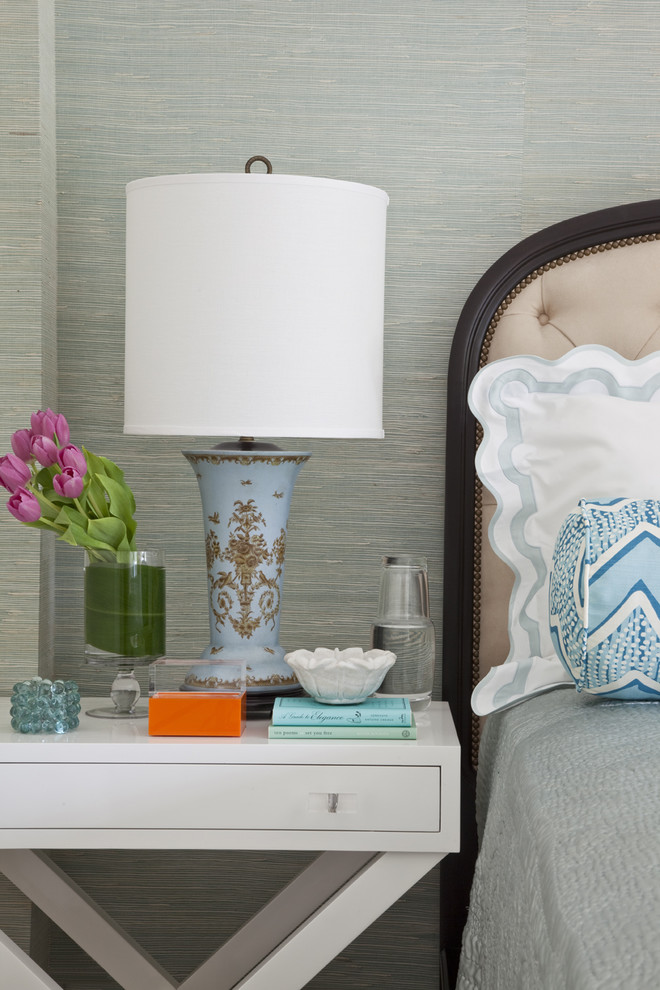
Ground Your Home with Handmade Ceramics
Handmade ceramics bring weight and permanence to a room. A hand-thrown vase, an earthenware pot, and ceramics introduce an organic, human quality that can’t be found in mass-produced products. There’s something about the slight irregularity of a handmade piece that makes a space feel genuinely cared for.
When choosing ceramics, consider form as much as colour. A sculptural piece with an unusual silhouette will hold its own beside strong art. For something more understated, look for matte finishes and simple shapes that let the texture speak for itself. Group ceramics in odd numbers and vary the heights. Try three pieces of different scales and resist the urge to coordinate everything. A little tension between pieces is what makes a shelf worth looking at twice.
Add Plants to Bring Your Rooms to Life
A plant does something no other accessory can. It brings the room to life in the most literal sense, introducing movement, growth and a connection to the natural world that makes a space feel cared for rather than just curated.
When choosing plants, think about shape as much as species. A fiddle leaf fig, with its broad, architectural leaves, makes a strong visual statement beside bold art. Trailing varieties soften shelves and add a sense of abundance. For rooms with more understated art, smaller sculptural plants — a single stem in a ceramic vase or a low succulent arrangement can be just as considered as something more dramatic. The best rooms tend to have at least one plant that surprises you a little.
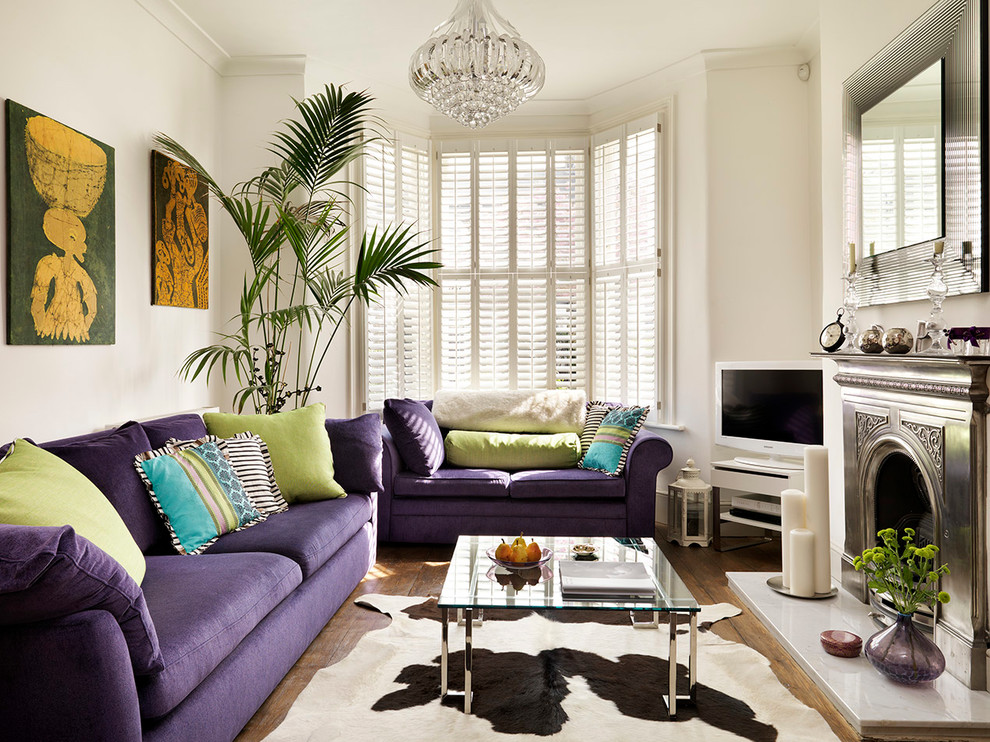
The Art of Building Slowly
The best accessorised rooms aren’t the most decorated ones, but those that are built slowly and intentionally over time. Where the art and the textiles and the ceramics and the plants are all in conversation with each other.
Start with one strong piece on the wall you look at most. Let it show you what the room is becoming. Then build around it slowly, with patience and a willingness to wait for the right thing.