
What Damage Can Storms Cause to Homes and Properties?

Storms can do a lot more damage to a home than people expect. One strong storm with heavy rain, wind, or hail can leave behind problems that take weeks or even months to fix!

Sometimes the damage is obvious. You might see broken shingles, fallen branches, or water leaking from the ceiling. Other times, the damage is more subtle. Small leaks or hidden moisture can slowly turn into bigger issues if no one notices them right away.
The key is understanding the types of damage storms can cause. Once you know what to look for, it becomes much easier to catch problems early and deal with them before they get worse.
Wind Damage to Roofs and Structures
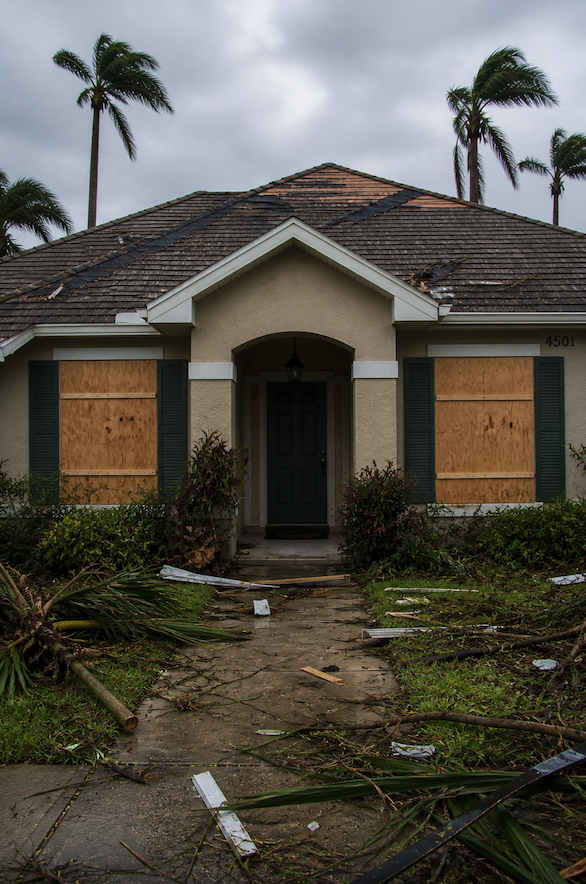
Wind is one of the biggest causes of storm damage. Strong gusts can lift shingles, pull gutters loose, and even rip parts of the roof apart if the storm is strong enough.
Most roofs are built to handle normal weather. But during severe storms, wind can get under shingles and peel them back. Once that happens, your roof becomes vulnerable to water leaks.
You might notice things like:
- Missing shingles on the roof
- Pieces of roofing material in the yard
- Loose or hanging gutters
- Siding that looks bent or cracked
Branches and debris can also become a problem during high winds. When wind throws debris onto a roof, it can puncture shingles or damage the roof surface.
After a storm, it’s always a good idea to walk around your property and check for anything that looks out of place.
Water Damage from Heavy Rain
Heavy rain can quickly become a problem if water finds a way inside your home. A small roof issue can turn into a ceiling leak once rain starts pouring down.
You might first notice water stains forming on your ceiling or walls. That usually means water is getting in somewhere above and slowly traveling through the structure.
Water damage often shows up as:
- Brown or yellow stains on ceilings
- Peeling paint or bubbling drywall
- Damp spots on walls
- Warped or soft flooring
The tricky thing about water damage is that it doesn’t always stay in one place. Water can move along beams or behind walls before it becomes visible.
If moisture stays inside the home too long, it can weaken building materials and lead to mold growth. That’s why even small leaks should be taken seriously.
Flood Damage to Foundations and Basements
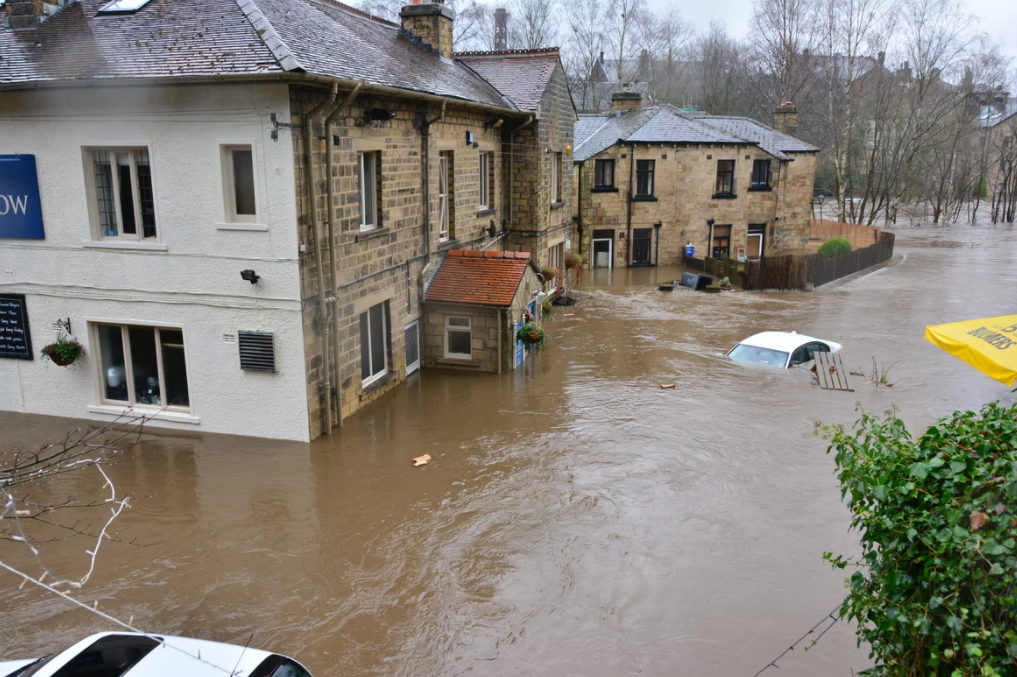
When storms bring large amounts of rain, flooding can become a real risk. This often happens when drainage systems can’t handle the amount of water coming down.
Basements and crawl spaces are usually the first areas affected. Water can enter through small foundation cracks, basement windows, or even under doors.
Floodwater can cause several issues, such as:
- Damaged drywall and insulation
- Soaked carpets and flooring
- Ruined storage items
- Structural stress on the foundation
Another concern is contamination. Floodwater often carries dirt, bacteria, and debris from outside. Even if the water eventually drains away, the moisture it leaves behind can still damage your home if it’s not cleaned and dried properly.
Hail Damage to Roofs, Windows, and Siding
Hailstorms may not last long, but they can cause serious damage while they’re happening. Hailstones hit surfaces with a lot of force, especially during strong storms.
Roofs are usually the first place hail damage appears. The impact can crack shingles or knock off the protective granules that help shield your roof from weather.
You might notice things like:
- Small dents on gutters or siding
- Cracked shingles
- Pieces of roofing material on the ground
- Broken windows or skylights
Hail can also damage outdoor equipment like air conditioning units or vehicles parked outside.
The problem with hail damage is that it’s not always easy to see from the ground. Sometimes the damage becomes noticeable only after leaks start showing up later.
Damage from Falling Trees and Debris
Storm winds can knock down trees or snap large branches without much warning. When the ground becomes soaked with rain, tree roots can loosen, making trees easier to topple.
Falling trees are one of the most serious types of storm damage a homeowner can face.
A large branch hitting the roof can break shingles, puncture the roof surface, or even damage structural beams.
Common problems caused by fallen debris include:
- Broken windows
- Holes in the roof
- Damaged siding
- Crushed fences or outdoor structures
In some cases, debris can also block driveways or pathways around the property.
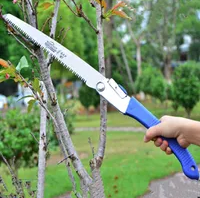
Keeping trees trimmed and removing weak branches can help reduce the risk before storms hit.
Electrical and Utility Damage
Storms can also cause problems with electrical systems and utilities. Lightning strikes, flooding, and fallen power lines can all affect how electricity runs through your home. When water reaches electrical systems, things can get dangerous quickly.
Some warning signs to watch for include:
- Lights flickering or dimming
- Power outages in certain rooms
- Burning smells near outlets
- Sparking or buzzing electrical fixtures
If you notice anything unusual with your electrical system after a storm, it’s best to stay cautious and call a professional electrician. Electrical damage isn’t something you want to ignore.
Signs Your Property Has Storm Damage
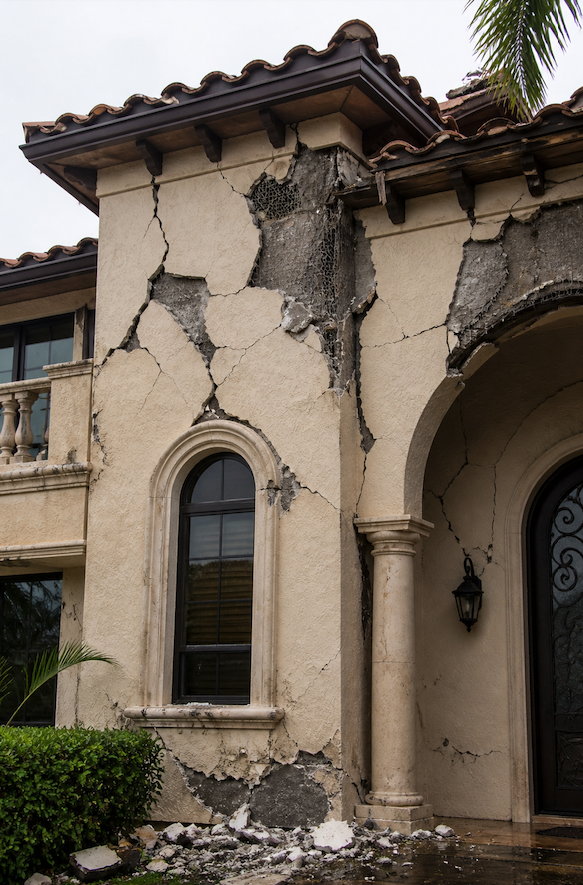
Not all storm damage shows up right away. Sometimes problems appear days or even weeks later. After a storm passes, take some time to look around your home and check for anything unusual.
Common signs of storm damage include:
- Water stains on ceilings or walls
- Missing roof shingles
- Cracked or broken windows
- Sagging areas on the ceiling
- Standing water in basements
- Fallen branches around the property
Even small warning signs can point to bigger issues beneath the surface. If something doesn’t look right, it’s worth investigating further.
What to Do After Storm Damage
Dealing with storm damage can feel overwhelming at first. But taking a few simple steps can make the process much easier. Start by checking your home for safety hazards. Look for broken glass, exposed wires, or structural damage before entering affected areas.
Next, document everything. Take photos or videos of any damage you find. This can be helpful if you need to file an insurance claim later. If it’s safe to do so, try to prevent further damage. For example, you might place a tarp over a damaged roof area or remove standing water from floors.
You should also contact your insurance provider to report the damage and ask about the next steps.
When to Call Storm Damage Restoration Professionals
Some storm damage can be handled with minor repairs. But in many cases, professional repair help is the safest option. Storm damage restoration professionals can inspect your property, find hidden issues, and repair damaged areas properly.
You should consider calling professionals if your home has:
- Roof damage
- Flooding or major water intrusion
- Structural issues
- Mold growth
- Electrical damage caused by water
The sooner repairs begin, the easier it is to prevent further damage.
Conclusion
Storms can damage homes in many different ways. Strong winds can tear apart roofs, heavy rain can cause leaks, and flooding can affect foundations and basements. Hail, falling trees, and electrical problems can also create serious risks for homeowners.
Some damage appears right away, while other problems take time to show up. That’s why it’s important to inspect your property carefully after severe weather. Catching problems early and dealing with them quickly can help protect your home and prevent much bigger repairs down the road.