
From Wall Colors to Lighting: How Your Nursery Impacts Infant Development
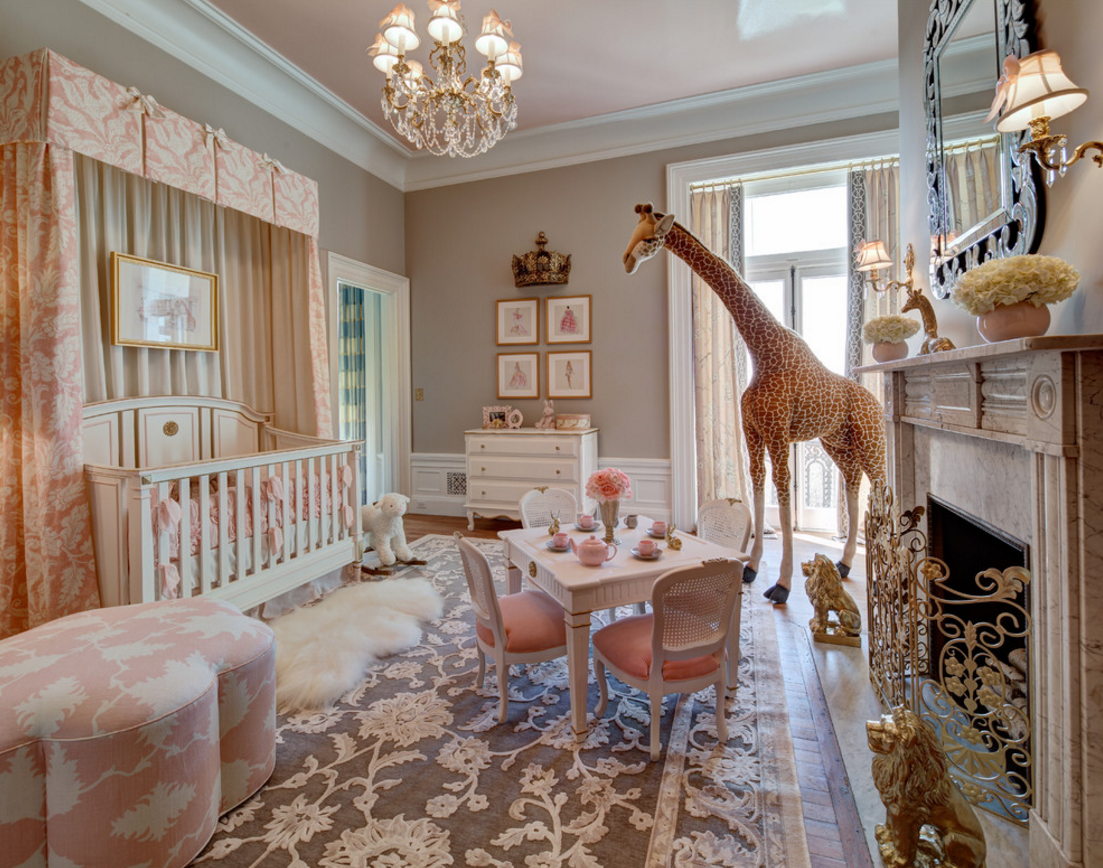
Every detail in a nursery — from cozy pastel walls to the gentle hum of a nightlight — plays a role in shaping a baby’s early experiences!
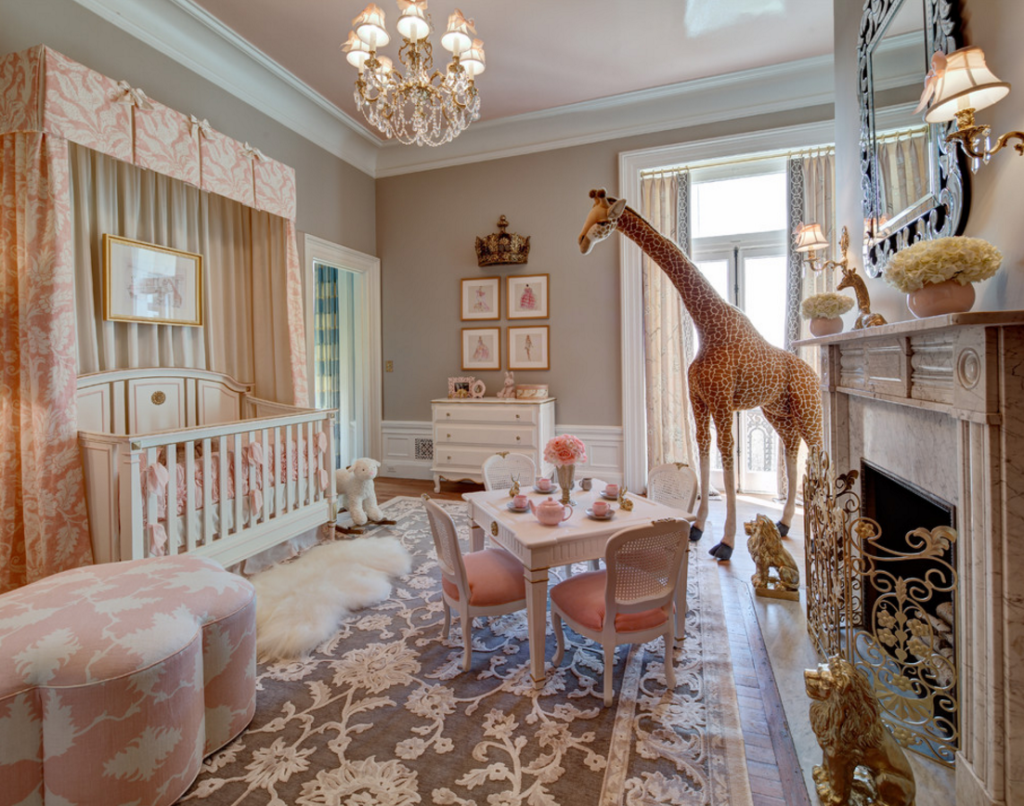
While designing your nursery may start with picking paint and décor, it ultimately becomes a space that supports your child’s emotional, sensory, and cognitive development. Parents today are discovering that smart nursery design goes beyond style; it’s about creating an environment where stimulation and comfort are perfectly balanced.
The Science Behind Nursery Design
Infants learn about the world through their senses. In those early months, they respond most strongly to light, color, texture, and sound. Each sensory experience encourages the development of different areas of the brain, contributing to milestones such as visual tracking, motor coordination, and even emotional regulation.
Research suggests that colors, temperature, and lighting all influence an infant’s mood and behavior. Bright, contrasting colors, for example, can excite a baby’s developing visual system, while muted pastels tend to provide calm and security. Similarly, soft lighting promotes restful sleep by signaling to a baby’s brain that it’s time to wind down — a crucial part of establishing healthy circadian rhythms.
Choosing the Right Wall Colors
When you’re deciding on wall colors for your nursery, think in terms of balance and purpose. A serene and nurturing palette helps your baby feel safe, while pops of color can stimulate mental activity during awake periods.
- Soft hues such as light blues, greens, and blush tones evoke a sense of calm.
- Warm neutrals like beige and cream offer versatility and pair well with most furniture styles.
- Accent colors in small doses — yellows, corals, or royal blues — promote engagement during tummy time or play.
If you plan to hang art or decals, incorporating your favorite nursery wall décor can be both aesthetically pleasing and mentally engaging. Choose prints with gentle patterns or shapes your baby can gaze at during quiet moments. Avoid overly busy designs, as too much visual stimulation may overwhelm an infant’s senses.
Lighting: The Unsung Hero of Infant Calm
Lighting is often underrated yet incredibly impactful in a nursery. Harsh overhead lights can make a baby restless, while insufficient light may hinder visual development. The goal is to mimic natural daylight without overstimulation.
- Layered lighting — a mix of ambient, task, and accent lighting — allows flexibility as your baby grows.
- Dimmer switches are ideal for creating softer light during bedtime routines.
- Warm LED bulbs with adjustable settings reduce glare while conserving energy.
During daylight hours, let natural light fill the room, but use sheer curtains to diffuse direct sun. A consistent light environment helps babies differentiate between day and night, forming the foundation for a predictable sleep schedule.
Textures, Sounds, and Mobility
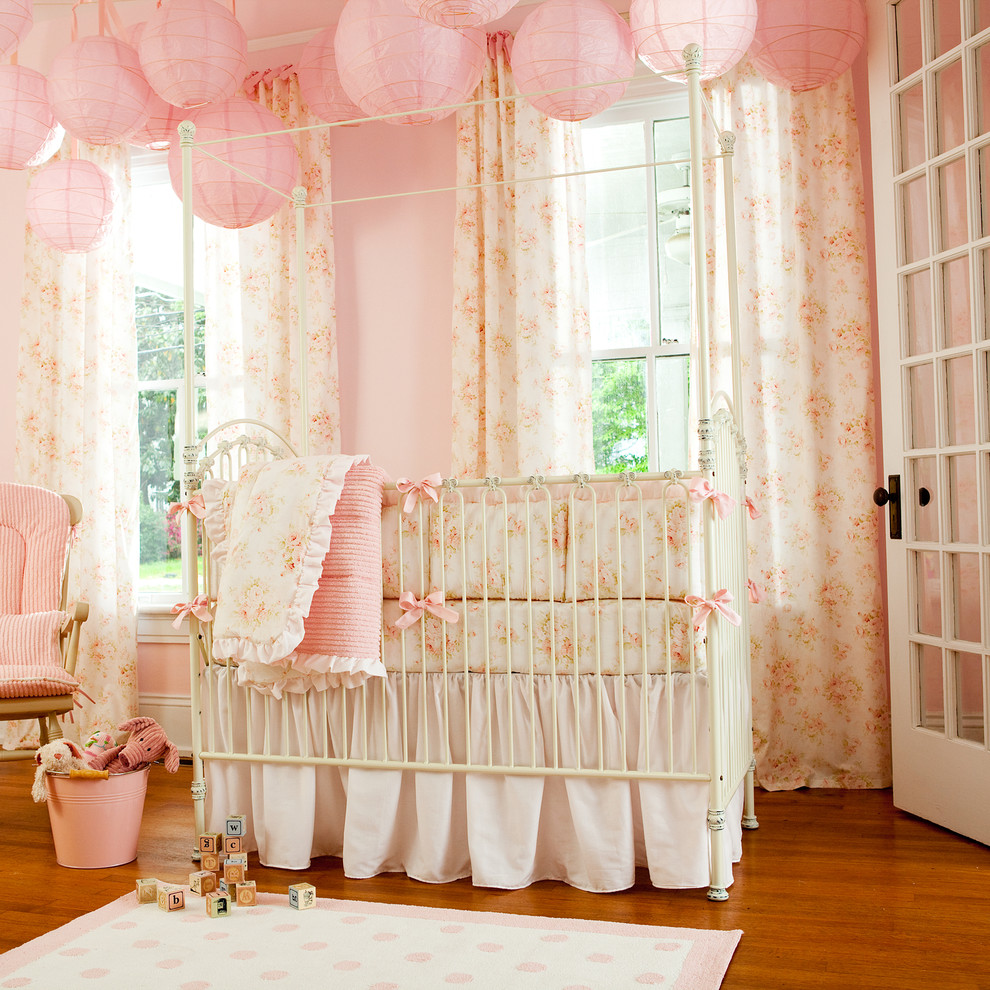
Touch and sound contribute strongly to sensory growth. Soft textiles, such as cotton crib sheets and plush rugs, encourage your baby to explore comfort through touch. Be mindful to include a variety of textures in the room — smooth wood surfaces, woven baskets, and organic fibers — all of which enrich tactile discovery.
Gentle background noise, whether from a white noise machine or calming lullabies, can replicate the soothing sounds of the womb. This helps reduce sudden environmental changes that might otherwise startle a baby.
Mobility matters too. Providing safe floor space allows babies to roll, crawl, and explore freely. Position toys and cushions within reach to promote muscle coordination and spatial awareness.
Integrating Montessori Principles for Development
Many parents are embracing Montessori-inspired nursery setups to encourage independence and curiosity. This approach focuses on accessible shelves, low-hanging artwork, and simple toys that invite exploration.
A minimalist environment avoids visual clutter and prioritizes purposeful elements. By keeping everything within reach, you empower your baby to discover and learn through movement and observation — both vital for developmental confidence.
Accessory Choices for Engagement
From mobiles to plush critters, nursery accessories serve more than decorative purposes. They play a key role in sensory stimulation. Choose toys that make gentle sounds or feature distinct textures to enhance hand-eye coordination.
Including age-appropriate play activities, such as sensory bin kits, during supervised floor time can extend this developmental approach beyond the crib. These kits introduce babies to touch, smell, and color through safe materials while playfully fostering fine motor skills.
Creating a Safe, Stimulating Environment
Safety should always align with design and development goals. Keep furniture sturdy, avoid dangling cords near the crib, and ensure all décor items are securely mounted. Opt for baby-safe paints with low VOC levels and ensure proper ventilation before your little one arrives.
When blending style with safety, think layers — visual balance paired with physical accessibility. Create zones for play, sleep, and quiet time to help your child associate each area with a specific routine. A well-organized space not only looks appealing but also supports predictable patterns that nurture emotional stability.
How Design Shapes Emotional Growth
The nursery is often the first place a baby experiences a consistent emotional connection. The way you design it reflects comfort and reassurance, signaling safety through visual cues. Soft colors, gentle lighting, and familiar textures remind your baby that they are cared for.
Over time, these sensory experiences become the building blocks of emotional responsiveness. When your child feels safe in their surroundings, their curiosity naturally expands toward the world around them.
Your nursery is more than a room — it’s a setting for discovery and growth. By selecting thoughtful colors, natural lighting, and textural elements, you’re helping your baby build early neural connections that influence emotional health and learning ability. Whether you favor modern simplicity or timeless charm, each design choice shapes how your little one perceives comfort and security.
The beauty of nursery design lies in the details — each hue, gleam, and soft sound working together to create an environment where your baby can thrive both mentally and emotionally.