
What to Do Immediately After Water Damage Strikes Your Florida Home

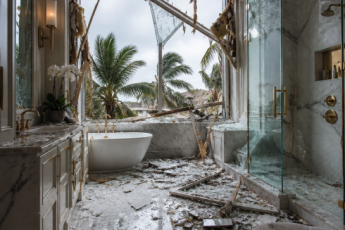
Water damage can hit your home without warning—whether from heavy Florida storms, hurricanes, burst pipes, roof leaks, or malfunctioning appliances!

In a state like Florida, where humidity is high and storms are frequent, water damage can escalate quickly and lead to serious structural issues and mold growth if not handled immediately.
Knowing what to do in the first few hours after water damage strikes can make a major difference in minimizing damage, protecting your belongings, and reducing restoration costs.
Why Immediate Action Is Critical in Florida Homes
Florida’s climate makes water damage more dangerous than in many other regions. High humidity levels can accelerate moisture absorption and create the perfect environment for mold growth within 24 to 48 hours.
Water can quickly:
- Soak into drywall, wood, and insulation
- Damage flooring and carpets
- Weaken structural components
- Create hidden moisture pockets inside walls
- Trigger rapid mold development
This is why acting quickly is essential after any water-related incident.
Step 1: Ensure Safety First
Before doing anything else, make sure your home is safe to enter. Water damage can create hidden hazards such as electrical risks, slippery surfaces, and structural instability.
If water has reached electrical outlets or appliances, turn off power at the main breaker—only if it is safe to do so. Avoid standing water in areas where electricity may still be active.
If the damage is severe, it’s best to wait for professionals to assess the situation.
Step 2: Stop the Source of Water
Once safety is confirmed, the next priority is stopping the water source.
Common actions include:
- Turning off the main water supply for burst pipes
- Shutting off leaking appliances
- Covering roof leaks temporarily (if safe)
If the damage is caused by storm flooding, you may not be able to stop the source immediately, but you can still focus on limiting further damage inside the home.
Step 3: Document the Damage for Insurance
Before starting cleanup, take time to document everything. This step is crucial for insurance claims.
Capture:
- Photos of affected rooms and materials
- Damaged furniture and belongings
- Water levels and visible structural damage
- Any signs of mold or staining
Clear documentation can help speed up your claim and ensure proper compensation.
Step 4: Remove Standing Water Quickly
Standing water should be removed as soon as possible to prevent further damage.
For small amounts of water, homeowners can use:
- Mops and buckets
- Towels and absorbent cloths
- Wet/dry vacuums
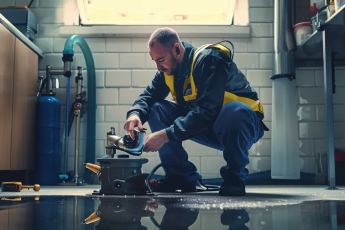
However, for larger flooding situations, professional equipment is often required to remove water efficiently. This is where contacting a Gainesville water damage restoration company or another local emergency service becomes essential.
Step 5: Begin Drying and Ventilation
Even after removing visible water, moisture can remain trapped inside walls, flooring, and furniture. Proper drying is key to preventing mold growth.
You can start by:
- Opening windows and doors (if weather allows)
- Using fans to increase air circulation
- Running dehumidifiers to reduce humidity
In Florida’s humid climate, household drying methods may not be enough. Professional drying equipment is often needed to fully remove moisture.
Step 6: Protect Your Belongings
Move valuable and sensitive items away from wet areas as soon as possible.
Focus on:
- Electronics
- Important documents
- Furniture and rugs
- Clothing and personal items
If items cannot be moved, elevating them or placing protective barriers underneath can help reduce further damage.
Step 7: Watch for Mold Growth
Mold is one of the biggest risks after water damage, especially in Florida. It can begin growing within a day or two if moisture is not properly controlled.
Signs of mold include:
- Musty or damp odors
- Discoloration on walls or ceilings
- Black, green, or white spots
- Increased allergy symptoms
If mold appears, professional remediation is necessary to safely remove it.

Step 8: Call a Professional Restoration Company
While minor water damage may be manageable, most situations require professional help. Restoration companies have the tools and expertise to fully dry and restore your home.
Professional services typically include:
- Emergency water extraction
- Moisture detection and inspection
- Industrial drying and dehumidification
- Cleaning and sanitization
- Mold prevention treatments
- Repair and reconstruction
Working with professionals ensures that hidden moisture is addressed and long-term damage is prevented.
Common Causes of Water Damage in Florida Homes
Understanding common causes can help homeowners stay prepared.
In Florida, water damage is often caused by:
- Hurricanes and tropical storms
- Heavy rainfall and flooding
- Roof leaks due to storm damage
- Plumbing failures
- Air conditioning leaks
- Appliance malfunctions
Being aware of these risks allows homeowners to take preventative measures.
Preventing Future Water Damage
While not all water damage can be avoided, homeowners can reduce risks with proper maintenance.
Helpful steps include:
- Regularly inspecting roofs and gutters
- Sealing windows and doors properly
- Maintaining plumbing systems
- Installing sump pumps in flood-prone areas
- Using water leak detection devices
Routine maintenance can help catch small issues before they turn into major problems.
Final Thoughts
Water damage in Florida homes can escalate quickly due to the region’s humidity and weather conditions. Acting immediately—by ensuring safety, stopping the water source, documenting damage, and beginning the drying process—can significantly reduce the impact.
However, for most situations, professional restoration services are essential to fully remove moisture and restore the property. By responding quickly and working with experienced professionals, homeowners can protect their homes and recover from water damage more efficiently.