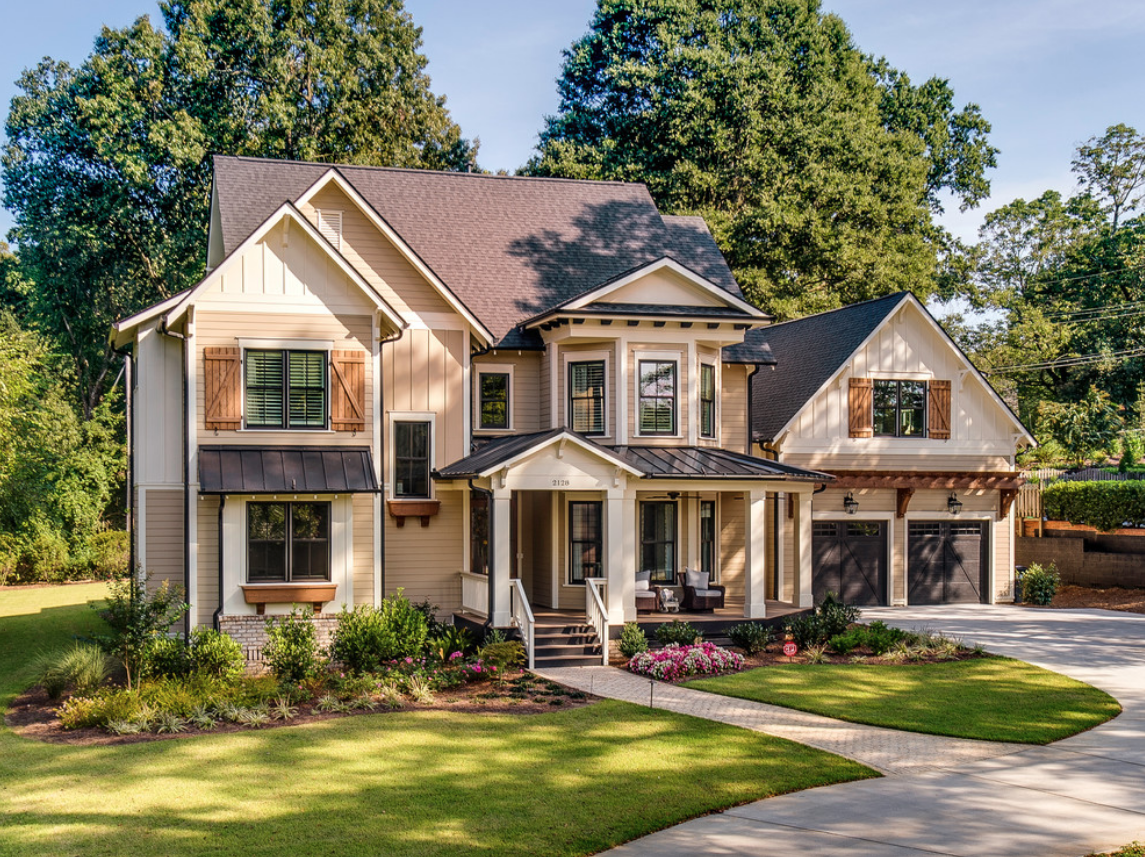

How to Increase Property Value with Strategic Home Remodeling
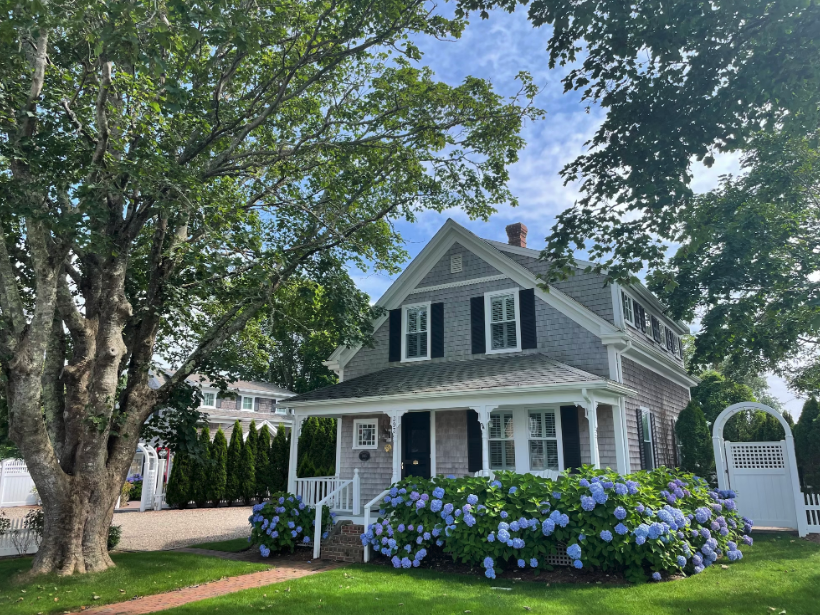
For many homeowners, remodeling begins with emotion. The kitchen feels outdated, the bathroom no longer matches modern lifestyles, or the layout simply doesn’t function the way it once did!
But the most successful renovations are rarely driven by aesthetics alone. They’re guided by strategy. Today’s housing market rewards homes that balance comfort with practicality. Buyers are willing to pay significantly more for properties that feel updated, functional, and move-in ready. At the same time, many homeowners fall into the trap of over-customization — investing heavily in niche luxury upgrades that reflect personal taste but fail to increase market value in a meaningful way.
A wine cellar converted from a bedroom may appeal to one buyer but alienate ten others. Ultra-bold tile patterns, highly specific built-in features, or extravagant imported materials often create diminishing financial returns despite their high upfront cost.
Strategic remodeling works differently. Instead of chasing trends blindly, investment-minded homeowners focus on upgrades that improve the overall experience of the property while also aligning with what the broader market consistently values. Functional layouts, strong curb appeal, modern kitchens, refreshed bathrooms, and cohesive design language tend to generate the strongest long-term equity gains. The key is understanding where renovation dollars actually matter most.
First Impressions First: The Outsized ROI of Curb Appeal
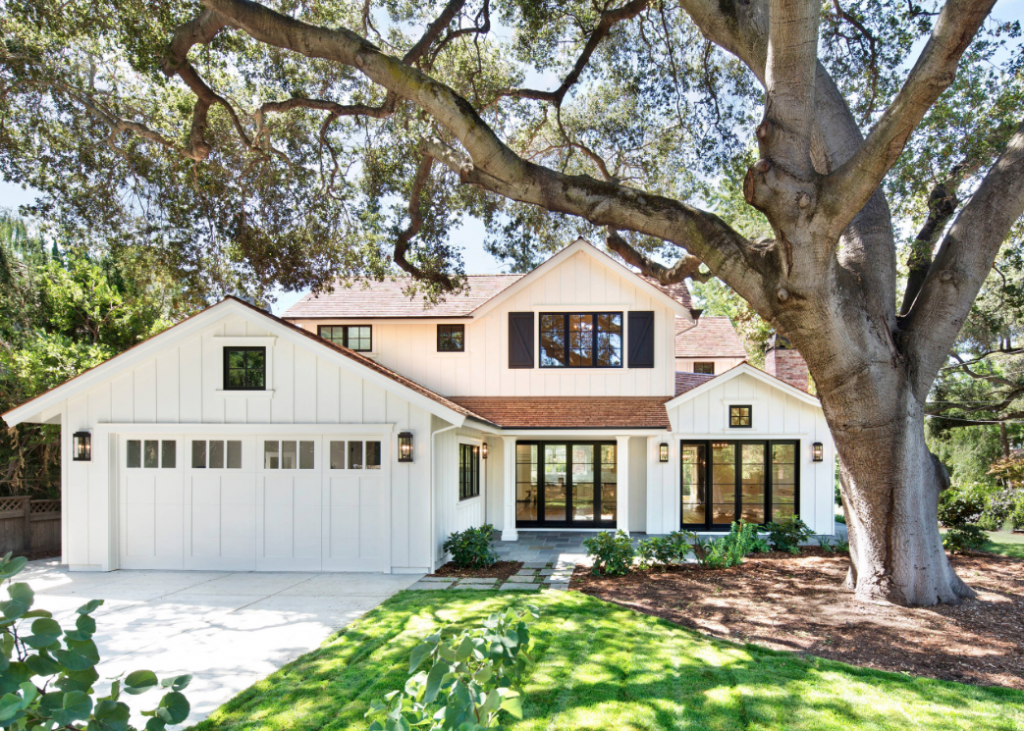
Real estate professionals often say buyers decide how they feel about a house before they even walk through the front door. While that may sound exaggerated, it’s surprisingly accurate. The exterior of a home communicates something immediate about how the property has been maintained over time. If buyers notice peeling paint, dated garage doors, worn siding, or an aging entryway, they subconsciously begin calculating future maintenance costs before they’ve even stepped inside.
That’s why exterior-focused renovations consistently rank among the highest-return remodeling investments in national Cost vs. Value reports.
Garage door replacements, for example, regularly recover close to — and sometimes more than — their original installation cost. Modern garage doors dramatically affect the visual balance of the façade, especially in suburban neighborhoods where garages occupy a large percentage of the home’s front elevation. Updating an older door with contemporary materials, darker finishes, and cleaner architectural lines instantly modernizes the entire property.
Front entry upgrades perform similarly well. Replacing outdated doors with heavy-gauge steel or fiberglass options creates a stronger sense of quality, security, and energy efficiency. Manufactured stone veneer is another upgrade that tends to produce surprisingly strong returns. Even modest applications around entryways or lower façade sections add texture, depth, and perceived craftsmanship to the home exterior without requiring a full structural overhaul.
The psychology behind curb appeal is simple: buyers associate exterior quality with overall property condition. When the outside feels polished and cared for, buyers assume the interior has received similar attention.
The Core Yield: Mid-Range Kitchen Modernization
The kitchen remains the emotional center of almost every home purchase. It’s the space where buyers spend the most time imagining themselves living. Family gatherings, entertaining, morning routines, and everyday functionality all revolve around the kitchen. As a result, outdated kitchens tend to hurt resale value faster than almost any other interior space.
But contrary to popular belief, the highest financial returns rarely come from ultra-luxury “dream kitchen” renovations. In many cases, massive structural overhauls simply cost too much to fully recover at resale. Removing major walls, relocating plumbing systems, or installing extremely custom cabinetry may create a stunning result, but the financial math often becomes less favorable.
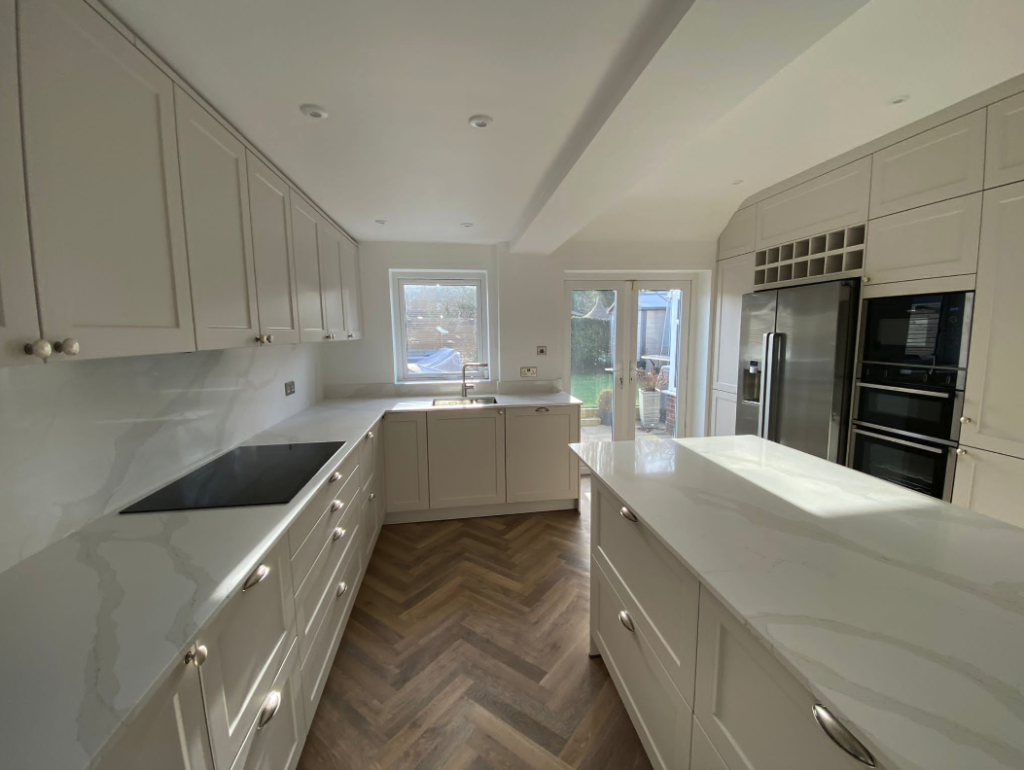
That’s why many renovation experts advocate for what’s commonly referred to as a mid-range kitchen remodel. Rather than gutting the entire space, this strategy focuses on targeted upgrades with strong visual and functional impact. Cabinet refacing or repainting, for example, can dramatically transform the appearance of the kitchen while preserving the existing layout and reducing labor costs. Replacing outdated laminate countertops with quartz or natural stone instantly elevates the room while adding durability buyers actively look for.
Hardware and lighting also matter more than many homeowners expect. Matte black, brushed brass, or soft champagne bronze finishes can modernize cabinetry without requiring a complete redesign. Similarly, updated pendant lighting and under-cabinet LEDs create a more layered, contemporary atmosphere while improving usability.
Of course, when homeowners decide to pursue more extensive interior transformations, working with experienced home remodeling services becomes especially important. Complex renovations involving stone surfaces, layout modifications, and custom finishes require careful planning to ensure the investment contributes positively to long-term property value rather than simply increasing construction costs.
Elevating High-Traffic Spaces: The Boutique Bathroom Upgrade
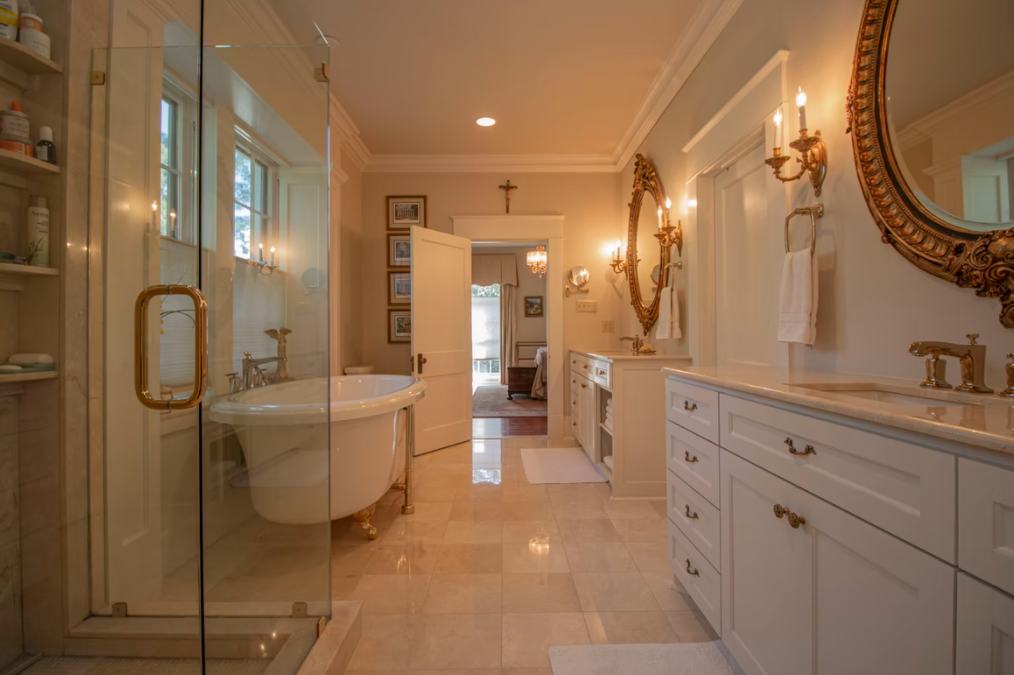
Bathrooms occupy a unique role in real estate psychology. Buyers expect them to feel clean, modern, and comfortable almost immediately. Even small signs of aging — outdated tile, poor lighting, worn vanities, or old plumbing fixtures — can make an otherwise beautiful home feel neglected. At the same time, bathrooms don’t need to become oversized luxury spas to produce strong returns.
The most financially effective bathroom renovations typically focus on perceived luxury rather than excessive structural changes. Maintaining the existing plumbing footprint while upgrading finishes allows homeowners to control costs while dramatically improving presentation.
Double-sink vanities remain especially attractive in primary bathrooms because they improve both functionality and visual balance. Replacing older cabinetry with floating vanities or furniture-style designs creates a more modern aesthetic while also making smaller bathrooms feel more open.
Lighting and surfaces play a surprisingly large role as well. Layered lighting — including vanity sconces, recessed LEDs, and softer ambient illumination — immediately makes the space feel more sophisticated and welcoming. For tile selection, large-format surfaces with minimal grout lines create a cleaner, more expansive appearance while reducing visual clutter. Neutral palettes continue to perform best from a resale standpoint because they appeal to a wider buyer demographic and photograph exceptionally well in listings.
Optimizing Layout Flow vs. Adding Square Footage
Many homeowners assume increasing square footage automatically increases home value. Sometimes it does, but not always in the way people expect. In reality, modern buyers often prioritize functional flow over raw size.
Older homes frequently suffer from compartmentalized layouts that interrupt natural movement between living spaces. Closed kitchens, narrow hallways, and disconnected gathering areas can make even larger homes feel smaller than they actually are. Strategic remodeling focuses on improving how the home lives day-to-day. Opening visual sightlines between kitchens, dining rooms, and living areas often creates a more dramatic improvement than simply adding additional square footage.
At the same time, preserving bedroom count remains important. Converting a bedroom into an oversized closet or highly specialized hobby room may satisfy personal preferences but can negatively affect resale value because buyers still prioritize functional sleeping space.
Basements and attics also represent major opportunities for value creation when approached thoughtfully. Instead of becoming highly niche entertainment zones, these areas perform best when designed as flexible-use spaces. Home offices, guest suites, fitness areas, or multipurpose family rooms appeal to a much broader segment of buyers and adapt more easily to changing lifestyles. Ultimately, the highest-value remodels maximize the usefulness of the existing home footprint before expanding beyond it.
Conclusion: The Balance of Craftsmanship and Capital
Strategic remodeling is rarely about chasing the most expensive finishes or the biggest transformations. The strongest returns come from understanding where design, functionality, and buyer psychology intersect.
Thoughtful exterior upgrades improve first impressions instantly. Mid-range kitchen modernizations preserve capital while dramatically increasing appeal. Updated bathrooms create emotional reassurance for buyers, and better layout flow improves how the home feels without necessarily increasing square footage.
But even the smartest renovation strategy depends entirely on execution. Poor installation quality can undermine even premium materials and well-planned designs. Uneven flooring, rushed tile work, and inconsistent finishes immediately reduce buyer confidence and weaken perceived value. That’s why many homeowners ultimately find that partnering with experienced remodeling contractors is one of the most important financial decisions within the entire renovation process. When craftsmanship and strategy align correctly, remodeling becomes a direct investment in long-term market equity, livability, and future resale performance.