
4 Financial Tips for Handling Urgent Home Repairs
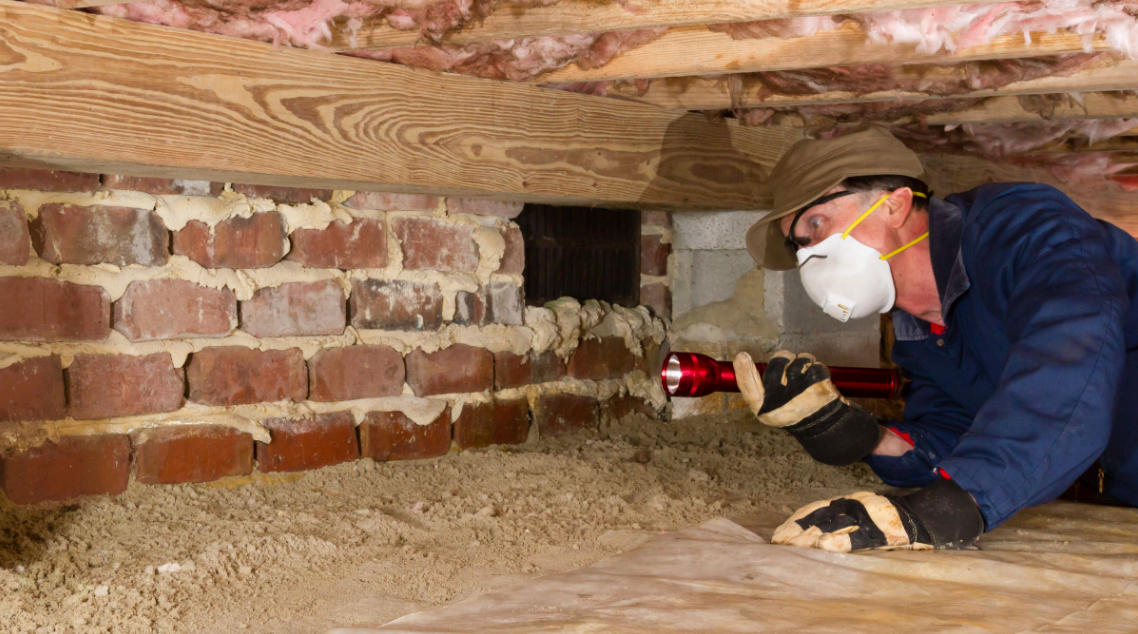
Unexpected home repairs can quickly strain your budget, but with the right financial approach, you can handle them without unnecessary stress!
Homes have a way of choosing their own timing. A water heater quits overnight. A pipe starts dripping during the coldest week of winter. Sometimes it is smaller like an appliance giving out and suddenly throwing off the rhythm of the whole house.
For homeowners, repairs that cannot wait are simply part of the long story of maintaining a place. The challenge is less about avoiding these moments and more about how they are handled when they show up. With a bit of preparation and a few steady financial habits the situation feels less chaotic.
Here are four financial ideas that often help homeowners steady themselves when repairs appear out of nowhere.
1. Separate Urgent Repairs From Cosmetic Improvements
When multiple issues appear at once, priorities blur. Everything feels urgent at first glance. With a bit of distance the differences become clearer.
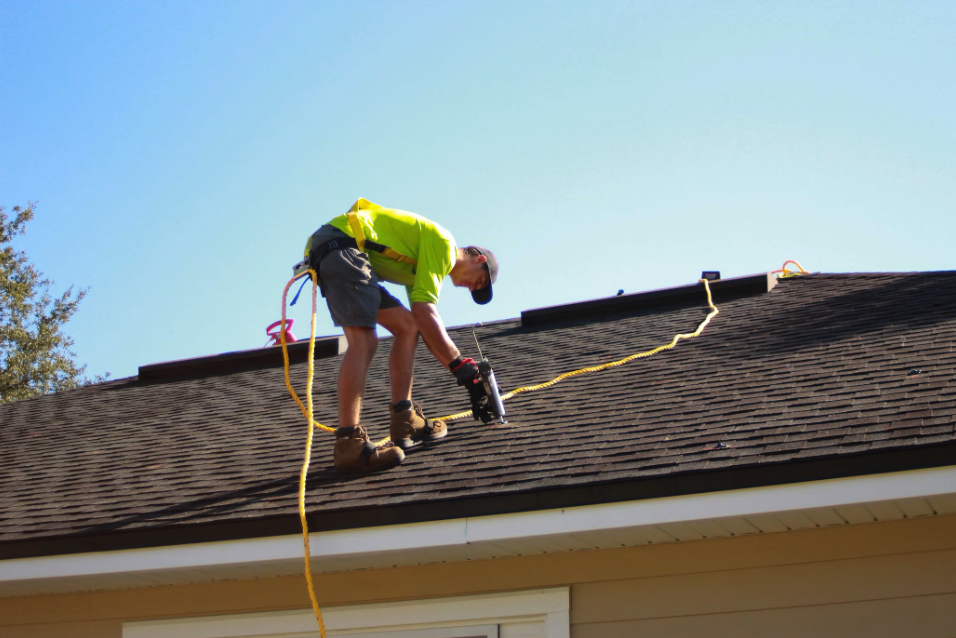
Some problems speak for themselves. Plumbing leaks. Electrical issues. Roof damage. Structural concerns. These are not decorative problems. They touch the safety and integrity of the home itself. Waiting rarely improves the situation. In fact delay often invites a second problem. Water spreads. Electrical faults worsen. Structural damage grows quietly in the background.
Other projects sit in a different category. Fresh paint. Updated fixtures. Newer appliances. These upgrades improve comfort and appearance but they rarely threaten the home itself. Postponing them may feel disappointing in the moment, though financially it creates breathing room. Many homeowners discover that once urgent repairs settle down, those improvements return to the list naturally.
Sometimes the urgency is not obvious. A contractor’s opinion can change how a situation looks. One estimate offers clarity. Two or three offer a perspective. Comparing assessments often reveals which repairs truly require immediate attention and which can wait for a more comfortable moment.
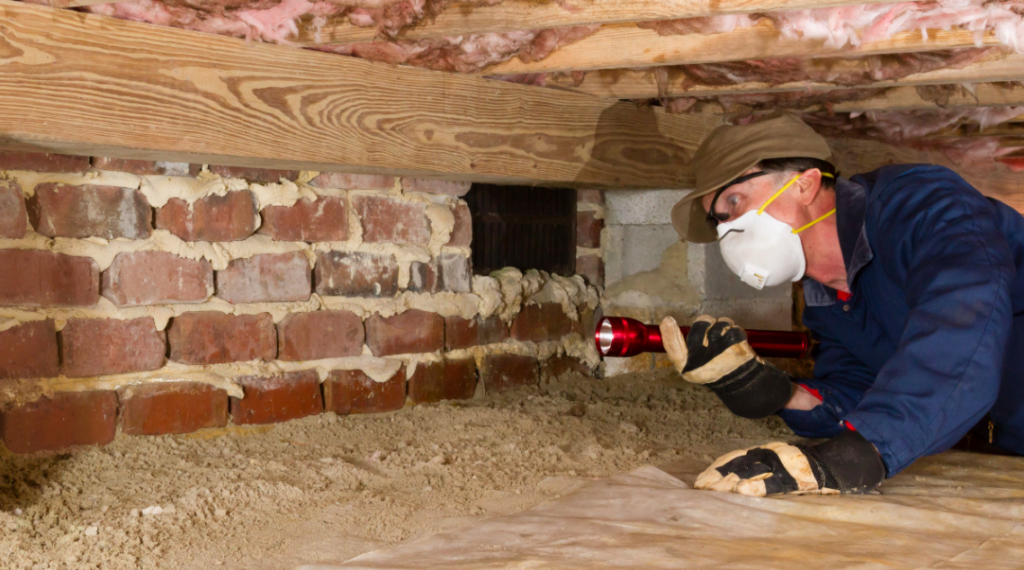
2. Explore Different Ways to Cover Unexpected Costs
Even with careful saving certain repairs arrive with price tags larger than expected. Looking at several financial options can open a path forward without overwhelming the household budget.
Request payment arrangements with service providers. Payment flexibility occasionally exists, especially when repairs cannot wait. Staged payments appear in some situations. A portion upfront. The remainder spread out over time. The repair moves forward while the financial strain softens slightly.
Emergency loans can cover short-term gaps. When immediate repairs are unavoidable, understanding various borrowing options can make the situation easier to manage. Some people review loans like Lendup and weigh them against alternatives as part of the comparison process. Taking the time to compare terms, costs and repayment expectations can help identify which options are suitable and which may not fit your financial situation.
Financial choices around repairs rarely feel perfect. They simply need to work. The goal is not just fixing the immediate issue but doing so in a way that keeps the household finances steady afterward. Balance matters here. Urgent repairs deserve attention but financial stability deserves it too.
3. Practice Preventive Maintenance
Not every repair arrives without warning. Many begin quietly and build over time before finally demanding attention. Preventive maintenance interrupts that process.
Routine inspections prevent damage. Small habits make a difference. Check plumbing connections. Clear gutters. Service heating systems before winter. Look over roofing materials after storms. None of these tasks is dramatic or expensive. Yet they often prevent the kinds of failures that trigger expensive repairs later.
Recognize early warning signs. Familiarity with a home creates its own form of awareness. Strange sounds. A faint water stain on the ceiling. An appliance that suddenly works a little harder than usual. These signals rarely shout but they exist. Homeowners who notice these changes early often catch problems before they escalate.
Track repairs over time. Some people keep simple records of inspections and past repairs. Nothing elaborate. Just dates, notes and small reminders. Patterns start to appear. Equipment ages in predictable ways. Maintenance timelines become clearer. That awareness slowly reduces the number of true surprises.
4. Create a Dedicated Home Repair Fund
Preparing financially for maintenance changes the tone of these situations. When something break the conversation shifts away from panic and toward action. That shift alone can make a difference.
A home repair fund recognizes something simple. Houses age. Appliances wear out. Pipes loosen. Roofs may shift. Systems slow down. Setting aside even a modest amount each month begins to absorb that reality instead of reacting to it later.
The amount does not have to be dramatic. Consistency tends to matter more than size. Over time the fund grows into something useful, something steady in the background.
Some homeowners treat repair savings like another household bill. A scheduled monthly transfer into a separate savings account keeps it simple and automatic. Over time, the habit does the heavy lifting.
Looking at the age of major home systems often changes how people think about savings. Heating systems, plumbing, roofs. Each carries a lifespan. Knowing that timeline makes the repair fund feel less abstract and more like preparation.

Staying Prepared When the Unexpected Happens
Homeownership carries a quiet responsibility. Walls, pipes and systems all require attention over time. Repairs appear whether anyone invites them or not. What changes the experience is preparation. A repair fund is waiting in the background. Clear priorities about which issues matter most. A willingness to explore practical financial solutions when needed.
None of this eliminates unexpected problems. Still, it changes the feeling of facing them. The situation becomes manageable. Thoughtful. Less reactive. And for homeowners, that sense of control often makes all the difference.