
How El Paso’s Desert Climate Can Contribute to Hidden Water Damage in Your Home
El Paso’s dry desert climate can make water damage easy to overlook. With low humidity and plenty of sunshine, homeowners may assume that moisture will disappear quickly after a leak or plumbing problem!
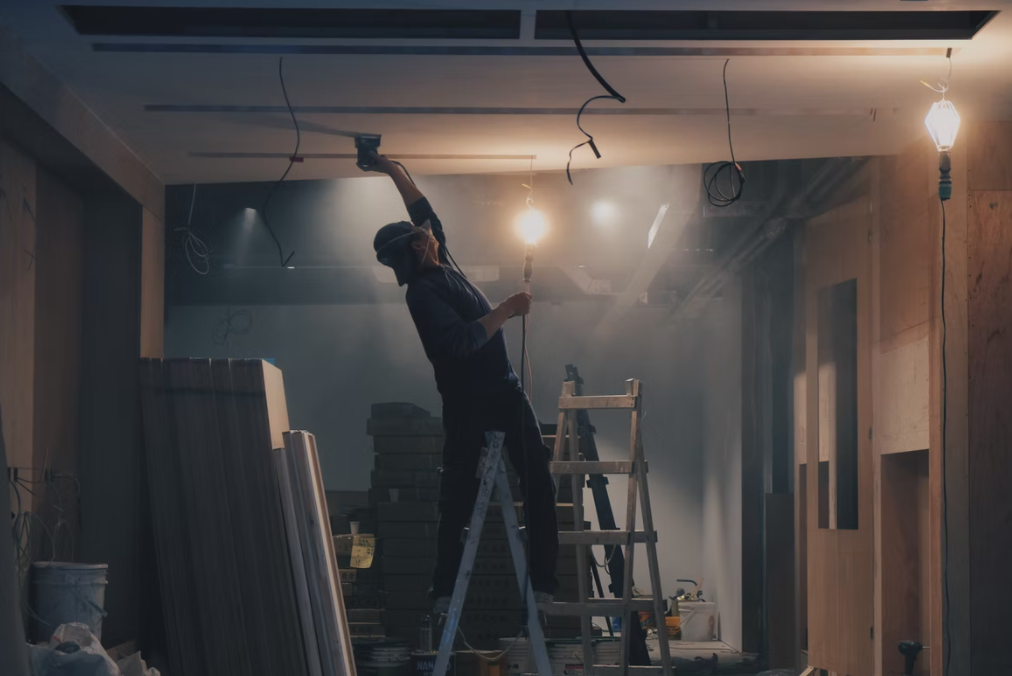
However, water can become trapped behind walls, beneath flooring, and inside insulation even when the surrounding air feels dry. Professional Restoration services in El Paso can help identify these hidden problems, remove excess moisture, and prevent minor leaks from turning into expensive repairs.
Understanding how the local climate affects moisture inside your home can help you recognize warning signs and take action before the damage spreads.
1. Dry Air Can Hide Moisture Problems
El Paso’s low humidity often helps outdoor surfaces dry quickly. Unfortunately, the same conditions can create a false sense of security after a plumbing leak, roof leak, or appliance malfunction.
For example, a small amount of water on a tile floor may disappear within hours. But moisture that has entered the subfloor or wall cavity will not necessarily evaporate at the same speed. These enclosed spaces have limited airflow, allowing water to remain trapped for much longer.
Homeowners may notice that a room looks completely dry while the materials underneath are still damp. Checking only visible surfaces is therefore not enough to determine whether a property has fully dried.
2. Sudden Temperature Changes Can Affect Building Materials
Desert temperatures can vary significantly between daytime and nighttime. These changes can affect plumbing systems, roofing materials, windows, and other parts of a home.
Over time, repeated expansion and contraction may contribute to wear around joints, seals, and connections. Small gaps can develop around plumbing fixtures, roof penetrations, or exterior openings. When water eventually enters through these weak points, it may travel into areas that are difficult to inspect.
A slow leak behind a bathroom wall, for instance, might continue for weeks before creating visible staining. By the time the homeowner notices a problem, nearby drywall, insulation, or framing may already be affected.
3. Intense Sunlight Can Make Roof Leaks Harder to Notice
El Paso receives substantial sunshine throughout the year, but strong sunlight does not make a roof immune to water damage. Roofing materials, flashing, sealants, and other components experience ongoing exposure to heat and weather.
Over time, roofing materials can deteriorate, and vulnerable areas may allow rainwater to enter during storms. Water can move along roof decking or framing before appearing on a ceiling. This means the visible stain may be some distance from the original entry point.
After heavy rain, inspect ceilings, attic spaces, and upper walls for discoloration, peeling paint, or damp insulation. Even a small stain deserves attention because it may indicate a leak that has been developing for some time.

4. Dust and Debris Can Contribute to Drainage Issues
Desert homes regularly deal with dust, dirt, and windblown debris. These materials can collect in gutters, roof drains, and exterior drainage areas. When drainage systems become blocked, rainwater may not flow away from the property as intended.
Instead, water can collect near the roofline or foundation and find its way through vulnerable openings. Poor drainage around the home can also allow water to enter basements, crawl spaces, or lower-level rooms where applicable.
Cleaning gutters regularly and checking that downspouts direct water away from the foundation can reduce these risks. It is also worth inspecting exterior drainage after a major storm.
5. Plumbing Leaks Can Remain Hidden in Dry Conditions
Not all water damage comes from rain. Leaking supply lines, drain connections, water heaters, washing machines, and refrigerators can release water inside a home without creating an obvious puddle.
A small leak may soak cabinet bases, flooring, or drywall gradually. Because El Paso’s air is often dry, nearby surfaces may appear normal while moisture remains deeper inside the material.
Watch for warning signs such as unexplained increases in your water bill, musty odors, loose flooring, bubbling paint, or cabinets that feel swollen. If you notice these changes, investigate promptly rather than assuming the issue is cosmetic.

6. Hidden Moisture Can Lead to Mold Growth
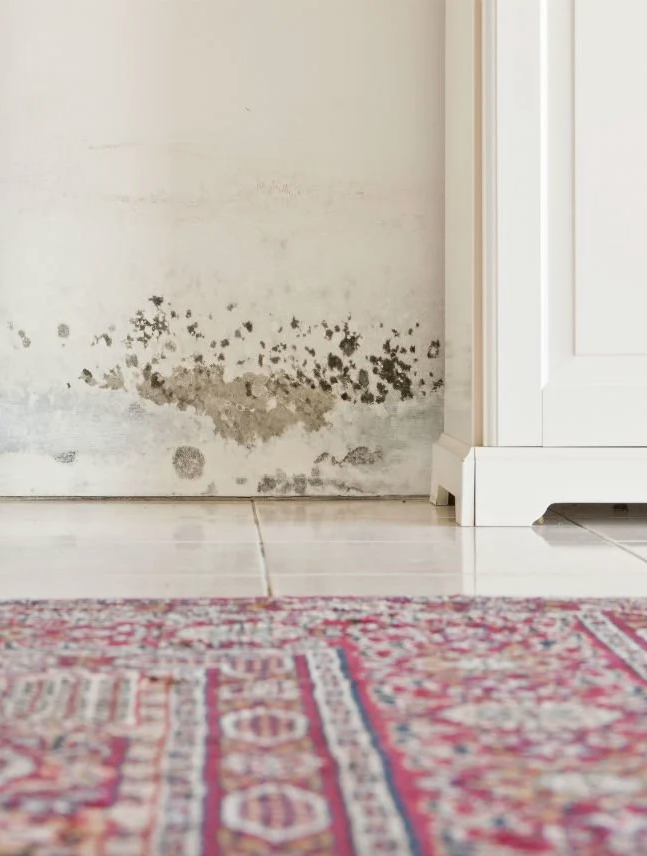
Although El Paso has a dry climate, mold can still grow inside homes when moisture remains available. Outdoor humidity is not the only factor that matters. A leaking pipe, wet carpet, damp insulation, or poorly dried wall cavity can create a suitable environment for mold.
Mold may develop on drywall, wood, carpet padding, and other materials that stay damp. It can also produce persistent odors and may require professional assessment and remediation.
If a leak or flood has occurred, drying the visible area is only part of the job. Moisture levels inside affected materials should also be checked to confirm that the area has dried properly.
7. Take Action Before Small Problems Become Major Repairs
Hidden water damage is easier to manage when it is discovered early. Check under sinks, around toilets, near water heaters, behind appliances, and along ceilings for signs of moisture. Pay attention to unusual odors, stains, warped flooring, and changes in paint or drywall.
If you suspect a leak, shut off the water supply when appropriate and arrange a professional inspection. Avoid disturbing materials that may contain mold or other contaminants. If water is near electrical outlets or wiring, stay clear and seek qualified assistance.
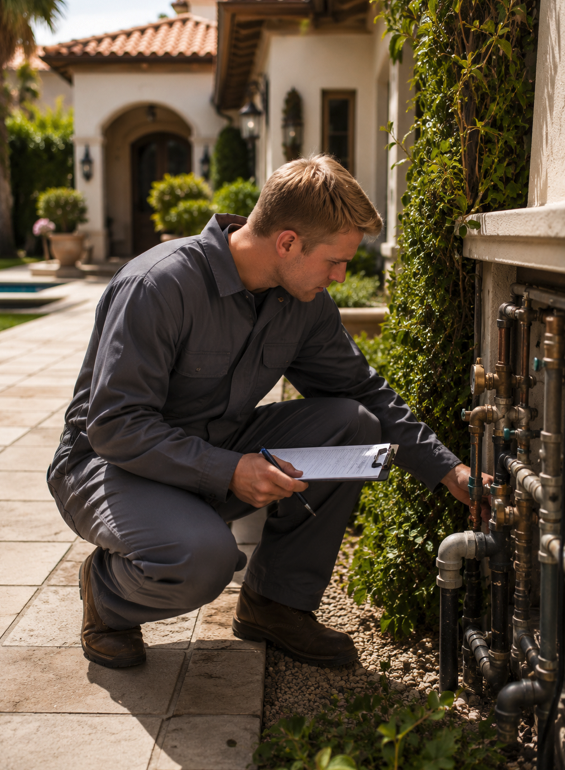
Professional technicians can use moisture meters and other inspection equipment to identify damp areas that are not visible. They can then recommend appropriate extraction, drying, cleaning, or repairs based on the extent of the damage.
Protect Your El Paso Home From Hidden Water Damage
A desert climate does not eliminate the risk of water damage. In some cases, dry air can make a moisture problem less noticeable while water remains trapped inside building materials. Regular inspections, timely plumbing repairs, and proper drainage maintenance can help protect your property.
If you notice signs of a leak or suspect moisture behind walls or beneath flooring, do not wait for the damage to become obvious. A prompt inspection and proper drying process can help prevent further deterioration and keep your home in better condition.