
How Sacred Art Creates Spaces for Peace, Gratitude, and Reflection
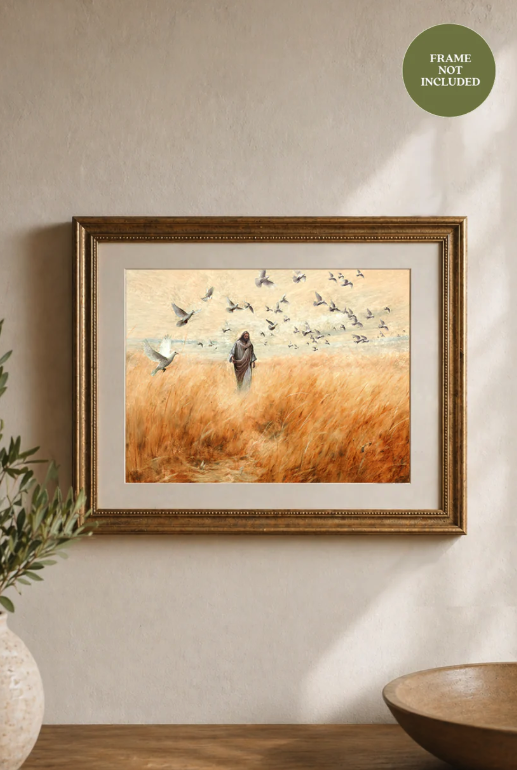
Walk into a room with a beautiful piece of sacred art on the wall, and something shifts. The space feels quieter. Your shoulders drop. Your thoughts slow down. This isn’t your imagination — it’s the intentional effect that spiritually inspired artwork has had on people for thousands of years, and it’s the reason more homeowners are bringing sacred art into their everyday spaces.
What Is Sacred Art?
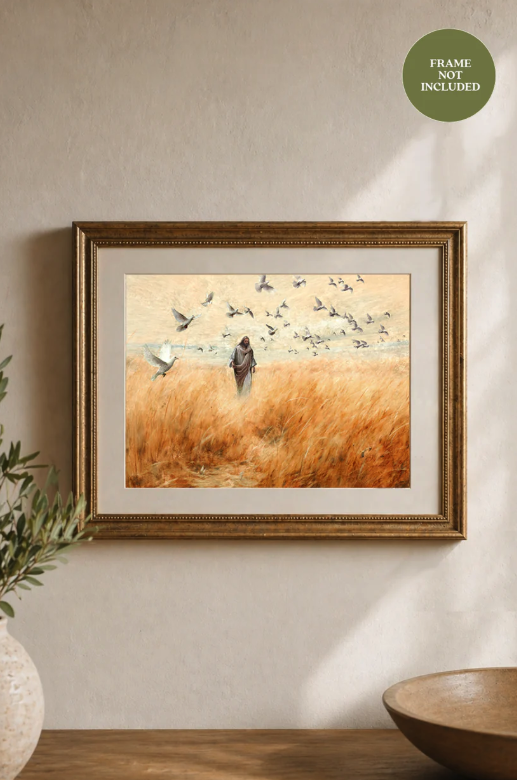
Sacred art is any artwork created to express faith, devotion, or spiritual meaning. It includes religious iconography, scripture-inspired prints, crosses and crucifixes, olive wood carvings, and contemporary pieces that celebrate themes of hope, grace, and gratitude. Unlike purely decorative art, sacred art carries intention. It’s designed to draw the viewer inward — toward prayer, reflection, or simply a moment of stillness.
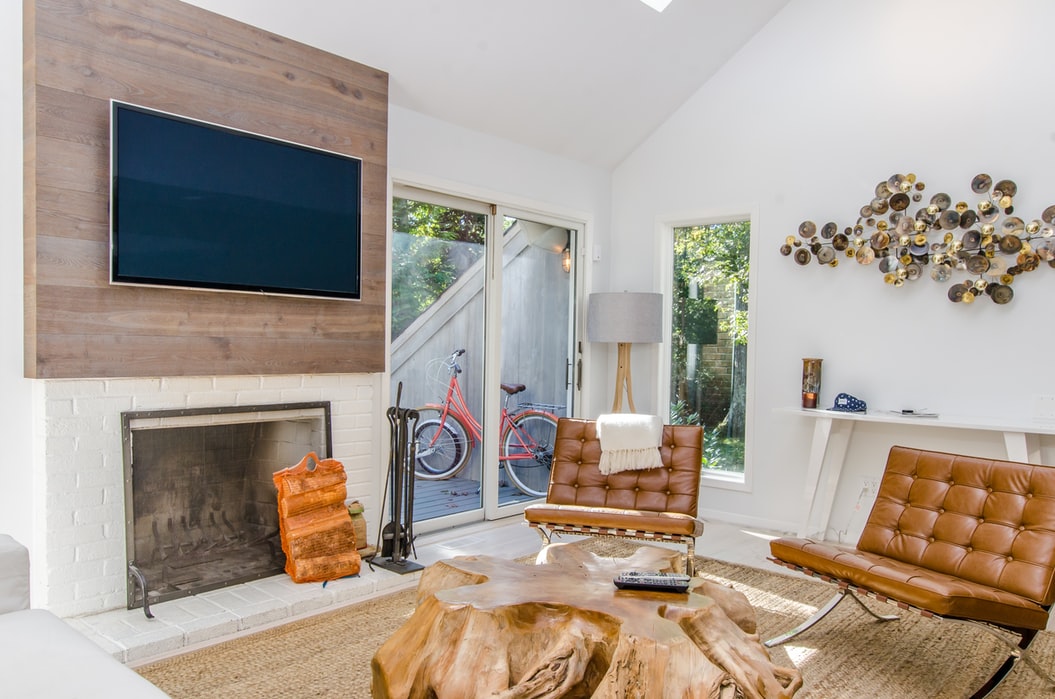
You don’t need a chapel or a dedicated prayer room to benefit from it. A framed scripture verse in an entryway, a hand-carved nativity on a bookshelf, or a serene painting of an olive grove above a reading chair can transform an ordinary corner into a place of calm.
Why Sacred Art Brings Peace to a Home
Our homes are full of visual noise: screens, notifications, clutter, and constant motion. Sacred art acts as a visual anchor — a fixed point that invites you to pause.
Researchers who study contemplative practices have found that visual focal points help quiet mental chatter and lower stress. When that focal point also carries personal spiritual meaning, the effect deepens. A piece of art that reflects your faith doesn’t just decorate a wall; it reminds you of what grounds you every time you pass by.
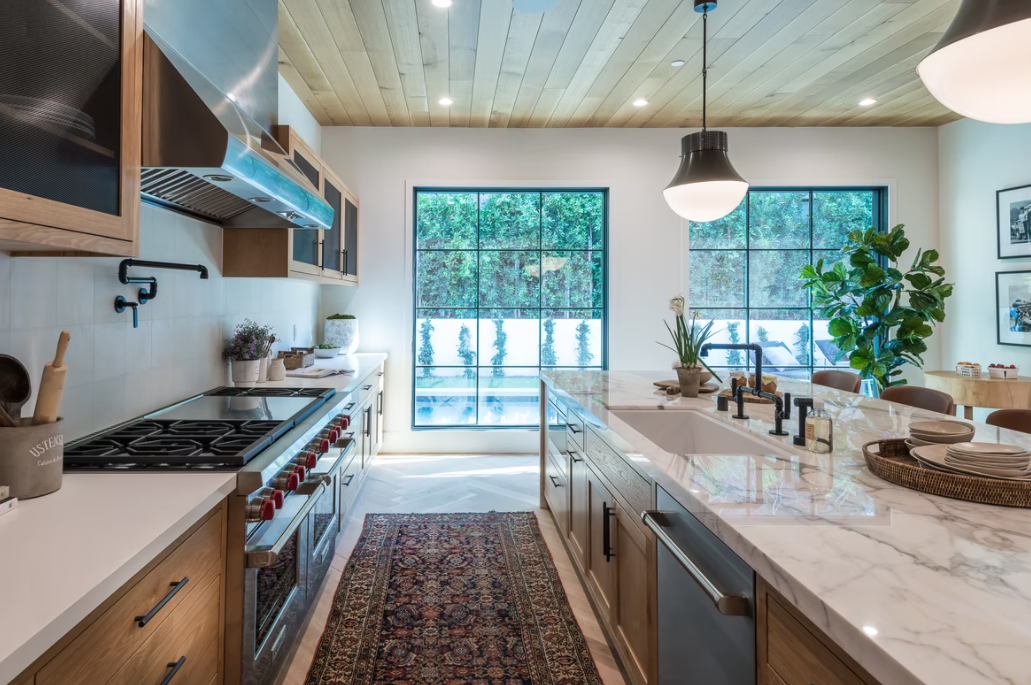
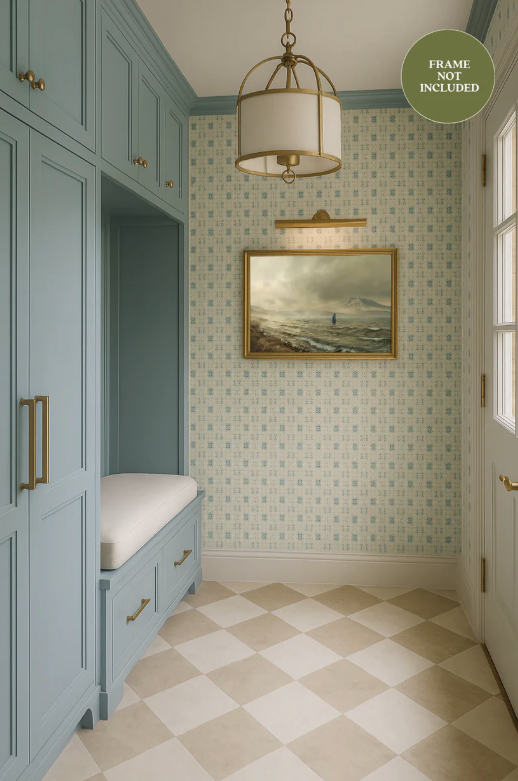
That’s why so many families place meaningful artwork in high-traffic areas — hallways, kitchens, and living rooms — rather than hiding it away. Peace isn’t something you schedule. It’s something you encounter, and sacred art creates dozens of small encounters throughout an ordinary day.
Cultivating Gratitude Through What You See
Gratitude is a practice, and like any practice, it benefits from reminders. Sacred art serves as a daily prompt to notice blessings rather than lack.
Consider a few simple ways this works in real homes:
- A scripture print in the kitchen turns meal preparation into a moment of thanksgiving.
- An olive wood cross by the front door offers a grounding touchpoint as you leave and return each day.
- A gallery wall of faith-inspired pieces in a family room sparks conversations with children about what matters most.
- A single contemplative painting in a bedroom helps end the day with reflection instead of scrolling.
Studios like Art & Olive Co have built their work around this idea — creating faith-inspired pieces meant to live in the flow of daily life, where they can gently redirect attention toward gratitude again and again.
Designing a Reflection Space at Home
You don’t need much square footage to create a dedicated space for reflection. Here’s a simple approach:
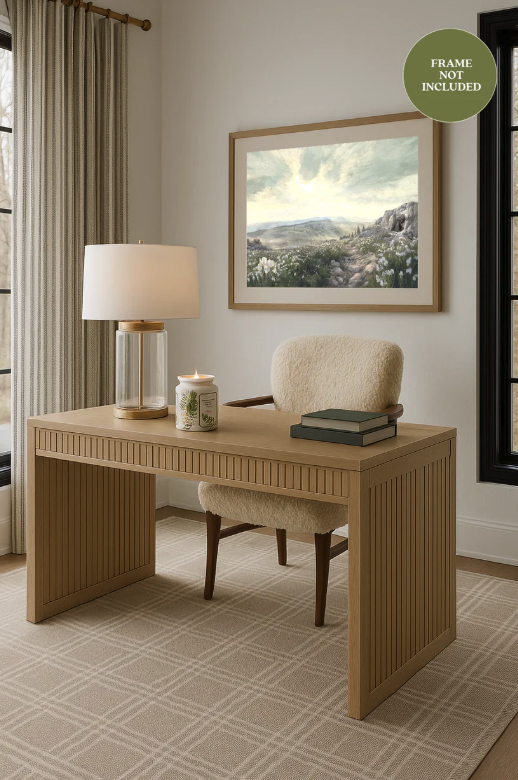
- Choose a quiet corner. A spot near a window with natural light works beautifully, but any low-traffic nook will do.
- Select one meaningful piece. Resist the urge to fill the space. A single artwork with personal spiritual significance is more powerful than a crowded wall.
- Add a comfortable seat. A chair, cushion, or bench signals that this space is for lingering, not passing through.
- Keep it uncluttered. The absence of visual noise is part of what makes the space restorative.
- Layer in natural elements. A plant, a candle, or natural wood tones complement sacred artwork and reinforce a sense of calm.
Over time, this corner becomes associated with stillness. Your mind learns the cue: when you sit here, you slow down.
Sacred Art as a Gift of Peace
Faith-inspired artwork also makes a deeply personal gift. For weddings, housewarmings,
baptisms, and holidays, a thoughtfully chosen piece communicates something a gift card never could: I want your home to be a place of peace. Handcrafted items — especially those made from materials with biblical significance, like olive wood — carry an added layer of meaning and craftsmanship that recipients treasure for decades.
Frequently Asked Questions
Does sacred art have to be religious? Not strictly. While much sacred art is rooted in specific faith traditions, many pieces focus on universal spiritual themes — peace, hope, gratitude, and light — that resonate across backgrounds.
Where is the best place to hang sacred art? Anywhere you’ll see it regularly. Entryways, living rooms, and bedrooms are popular choices because they frame the beginning and end of each day.
How do I choose the right piece? Choose artwork that stops you. If a piece prompts you to pause, breathe, or reflect the first time you see it, it will continue to do so in your home.
Final Thoughts
Sacred art does more than fill wall space — it shapes the emotional and spiritual atmosphere of a home. By choosing pieces with intention and placing them where daily life happens, you create ongoing invitations to peace, gratitude, and reflection. In a world that rarely slows down, that’s one of the most meaningful design choices you can make.