
Why Outdoor Relaxation Is Becoming the New Self-Care Trend
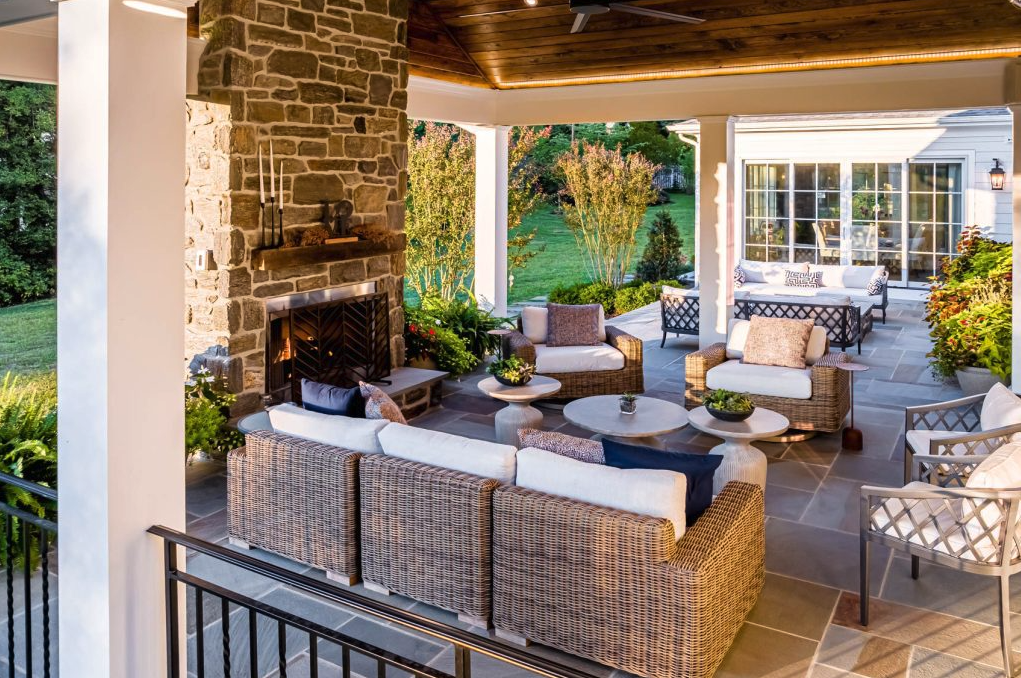
Create an outdoor oasis in your home where you can relax and take care of your health!
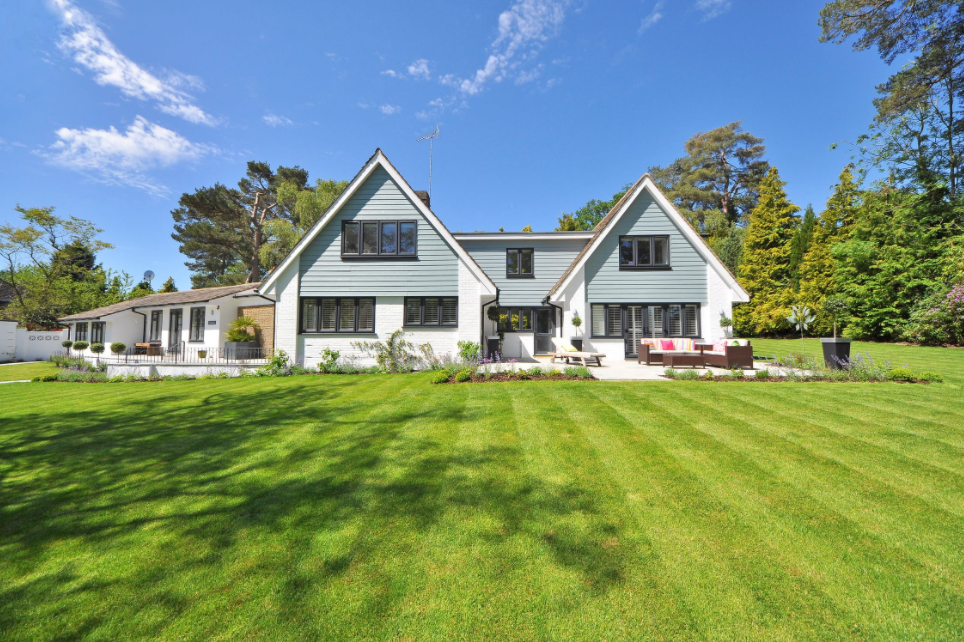
More than 75% of adults report experiencing symptoms linked to chronic stress, and wellness experts are increasingly looking beyond traditional self-care routines for solutions. While meditation apps, spa treatments, and fitness programs remain popular, a growing number of people are turning to outdoor living spaces as a practical way to disconnect from daily pressures. The backyard, patio, or garden is no longer just an extension of the home—it is becoming a dedicated space for recovery, reflection, and mental well-being.
Why are people redefining self-care?
For years, self-care was often associated with activities that required appointments, subscriptions, or significant financial investment. Today, consumers are seeking more sustainable habits that can be integrated into everyday life. Spending time outdoors fits perfectly into this shift because it combines accessibility with proven psychological benefits. Whether it’s enjoying a quiet morning in the garden or taking a break from screens after work, outdoor relaxation offers a simple way to recharge without adding complexity to an already busy schedule.
How does spending time outdoors reduce stress?
Numerous studies have shown that exposure to natural environments can lower cortisol levels, reduce mental fatigue, and improve overall mood. Even relatively short periods spent outdoors can create measurable benefits. Natural light helps regulate circadian rhythms, while greenery provides visual stimulation that promotes relaxation rather than cognitive overload. This explains why many wellness professionals now encourage people to create dedicated outdoor spaces where they can regularly disconnect from digital distractions and reconnect with their surroundings.
Why are homeowners investing more in comfort-focused outdoor spaces?
The rise of remote and hybrid work has transformed expectations around the home environment. People are spending more hours on their property and want spaces that support both productivity and recovery. Comfortable outdoor furniture has become a central component of this evolution. Many homeowners now prioritize ergonomic seating solutions that encourage longer periods of relaxation, and a well-designed outdoor recliner often serves as the focal point of a backyard wellness area. Rather than viewing outdoor furniture as purely functional, consumers increasingly see it as an investment in daily comfort and long-term well-being.
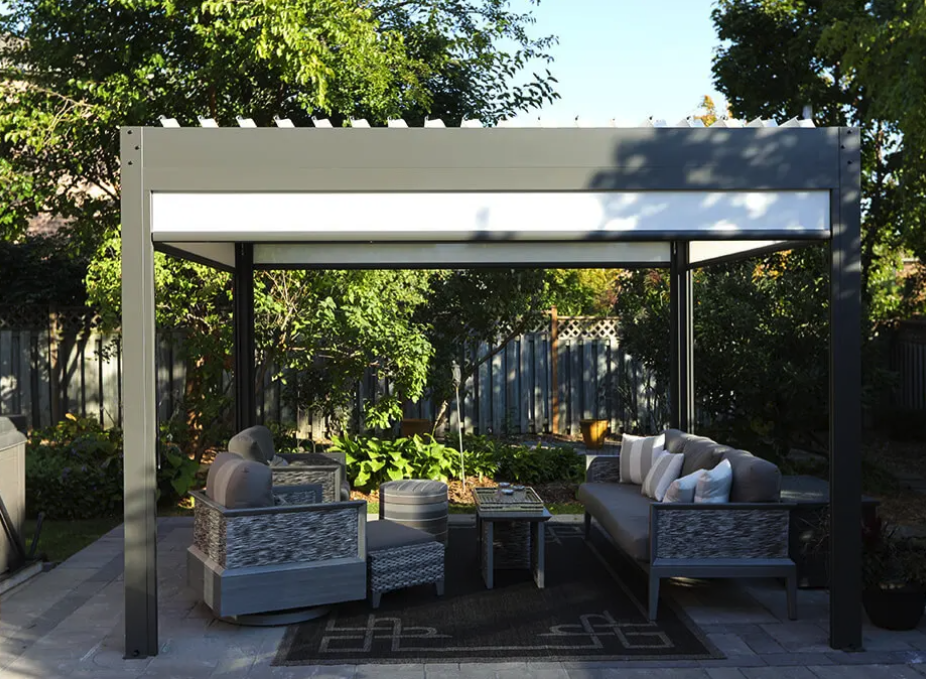
What makes outdoor relaxation different from other wellness trends?
Unlike many self-care practices that require dedicated time slots, outdoor relaxation can be seamlessly integrated into daily routines. A few minutes spent reading on a patio before work, enjoying lunch outside, or unwinding under the stars in the evening can provide meaningful mental benefits. This flexibility is one reason the trend continues to gain momentum. It adapts to individual lifestyles rather than requiring people to radically change their schedules.
How can you create an outdoor space that supports well-being?
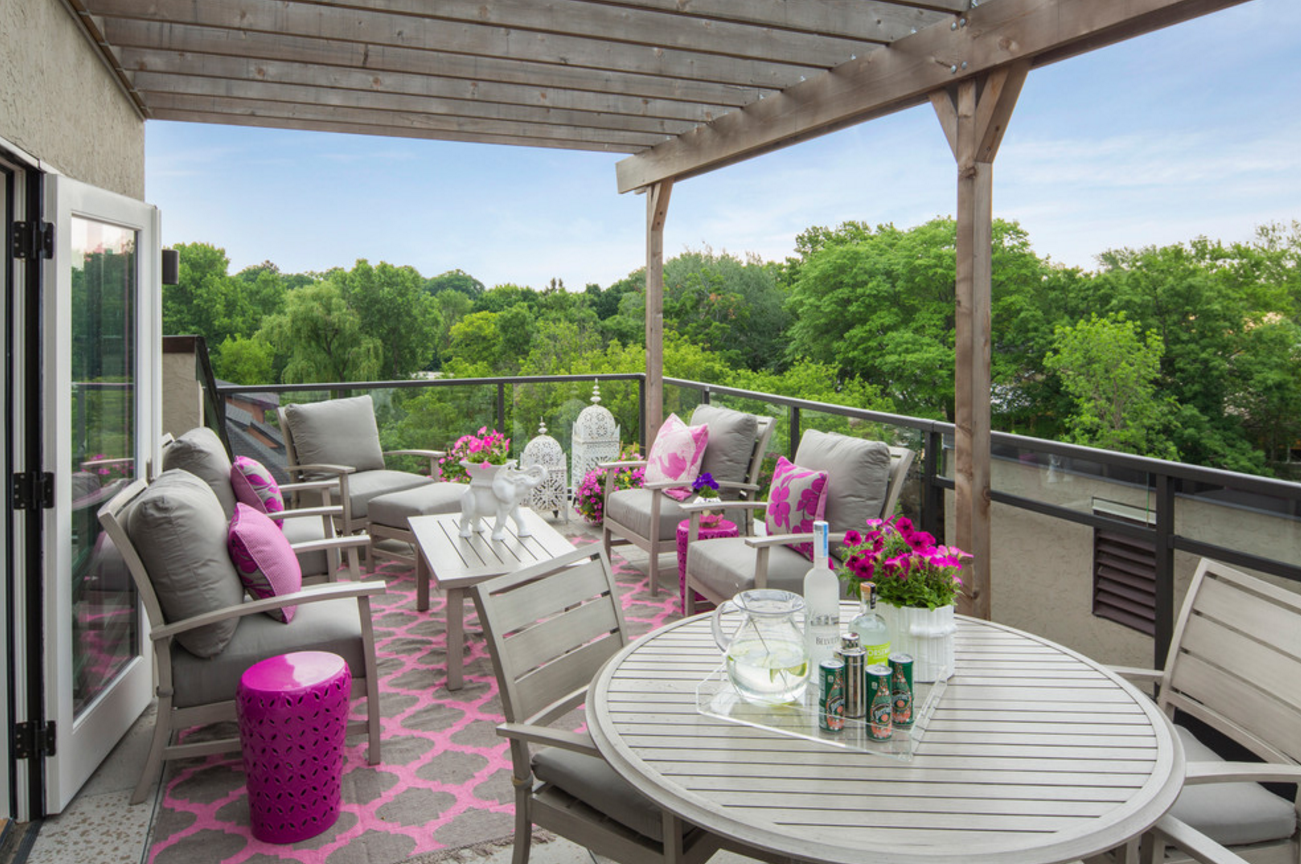
Creating a restorative environment does not necessarily require a large property or extensive renovations. Small, intentional improvements often deliver the greatest impact:
- Choose comfortable seating designed for extended use.
- Incorporate plants and natural materials to soften the environment.
- Reduce visual clutter by creating clearly defined relaxation zones.
- Add warm lighting to encourage evening use.
- Limit digital distractions when spending time outdoors.
These simple adjustments help transform ordinary outdoor areas into spaces that support mindfulness, relaxation, and emotional balance.
As wellness habits continue to evolve, the most effective self-care practices may be the ones waiting just beyond the back door.
Frequently Asked Questions
What is outdoor relaxation?
Outdoor relaxation refers to intentional activities performed outside to reduce stress and improve well-being. It can include reading, meditating, resting, or simply spending quiet time in a comfortable outdoor environment.
Does outdoor relaxation really improve mental health?
Yes. Research suggests that regular exposure to natural environments can reduce stress, improve mood, and support better emotional resilience over time.
Is creating a wellness-focused backyard expensive?
No. While some homeowners invest heavily in landscaping and furniture, meaningful results can often be achieved with a comfortable seat, thoughtful lighting, and a few natural elements.