
The Rise of Heat Pump Hot Water Systems in Mandurah: Efficiency Meets Sustainability
As energy costs climb across Western Australia, homeowners in Mandurah and Rockingham are searching for smarter ways to cut power bills without sacrificing comfort!
Heat pump hot water systems, once a niche option, are now emerging as one of the most efficient ways to heat water in the Peel Region’s climate.
How Heat Pump Technology Works
Unlike traditional electric systems that generate heat directly through electrical resistance, heat pumps work like a refrigerator in reverse. They extract ambient heat from the surrounding air and use it to warm water in an insulated tank. This process uses far less electricity because the system moves heat rather than creating it from scratch.
A fan draws air across an evaporator coil containing refrigerant. The refrigerant absorbs heat and turns into gas. A compressor pressurises this gas, raising its temperature. The hot gas passes through a heat exchanger, transferring energy to the water. The refrigerant then cools and the cycle repeats. While a standard electric system might use 3,600 watts, a heat pump achieves the same result with roughly 1,000 watts or less.
Why the WA Climate Is Perfect for Heat Pumps
Western Australia’s climate is ideally suited for heat pump technology. The Peel Region enjoys mild winters and warm summers, meaning there’s almost always sufficient ambient heat for efficient operation. Even on cooler days, modern heat pumps extract heat from air temperatures as low as 5 degrees Celsius.
During Mandurah’s hot summers, when temperatures regularly exceed 30 degrees, heat pumps operate at peak efficiency. Warmer ambient air means less work for the compressor and greater energy savings. Coastal humidity in areas like Rockingham also helps — higher humidity means more heat energy in the air, improving the transfer process.
Long-Term Savings That Add Up
Heat pumps cost more upfront than conventional electric storage units, but the savings quickly compensate. Most households see water heating energy consumption drop by 60 to 75 percent after switching.
For a typical Mandurah family spending $800 to $1,200 annually on water heating, this means savings of $500 to $900 per year. Over a 10 to 15 year lifespan, total savings can exceed $7,000. Combined with government rebates, the payback period often shrinks to just 3 to 5 years. Maintenance costs are low too, requiring only annual filter cleaning and periodic refrigerant checks.
Environmental Benefits
Beyond financial savings, heat pumps significantly reduce household carbon emissions. A typical family switching from electric storage can cut annual CO2 output by 2 to 4 tonnes. As Western Australia transitions toward renewable energy, the environmental case for heat pumps only strengthens.
Installation Considerations for Coastal Homes
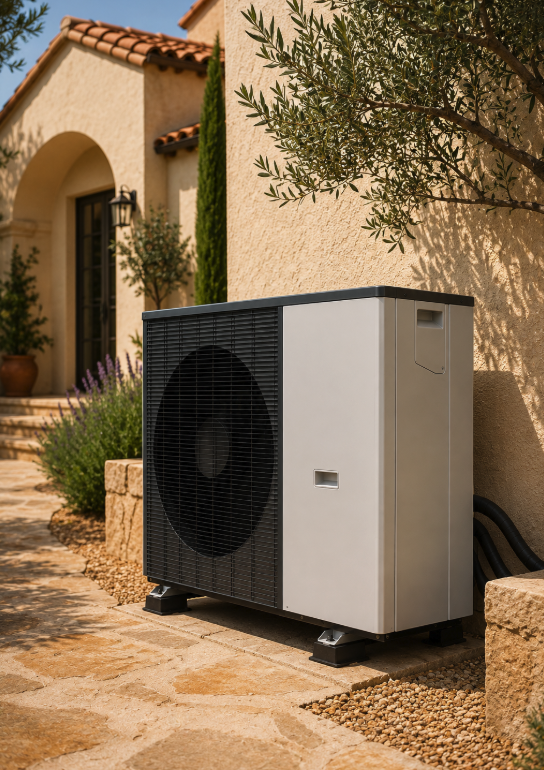
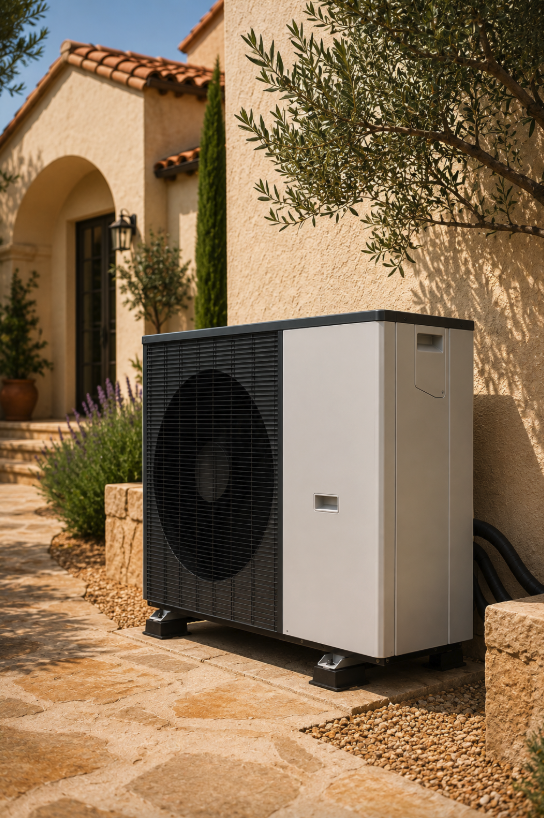
Installing a heat pump in Mandurah requires specific considerations. The outdoor unit needs adequate airflow and should draw ambient air freely. Coastal conditions mean components need corrosion protection — quality Australian-designed systems include protective coatings for salt air exposure.
Some models may require a dedicated electrical circuit. A licensed installer can assess your home’s capacity, size the system correctly, and position it for optimal performance.
Is a Heat Pump Right for Your Home?
Heat pumps suit most Peel Region households, particularly families with moderate to high hot water usage and those planning to stay long-term. They’re also excellent for homes with solar panels, as reduced electricity demand can be met by rooftop generation during daylight hours.
If you’re considering upgrading, exploring heat pump hot water systems in Mandurah is a smart first step. A local professional can assess your needs, explain available rebates, and help you choose a system that delivers maximum efficiency and value.
Conclusion
Heat pump hot water systems represent a genuine leap forward in home water heating. For Mandurah and Rockingham homeowners, WA’s favourable climate, rising energy costs, and government incentives make this the ideal time to switch. The result is lower bills, reduced environmental impact, and reliable hot water for years to come.