
Outdoor Design Trends For Modern Homes
The boundaries between indoor and outdoor living continue to blur as homeowners increasingly view their yards, patios, and gardens as extensions of their interior spaces!
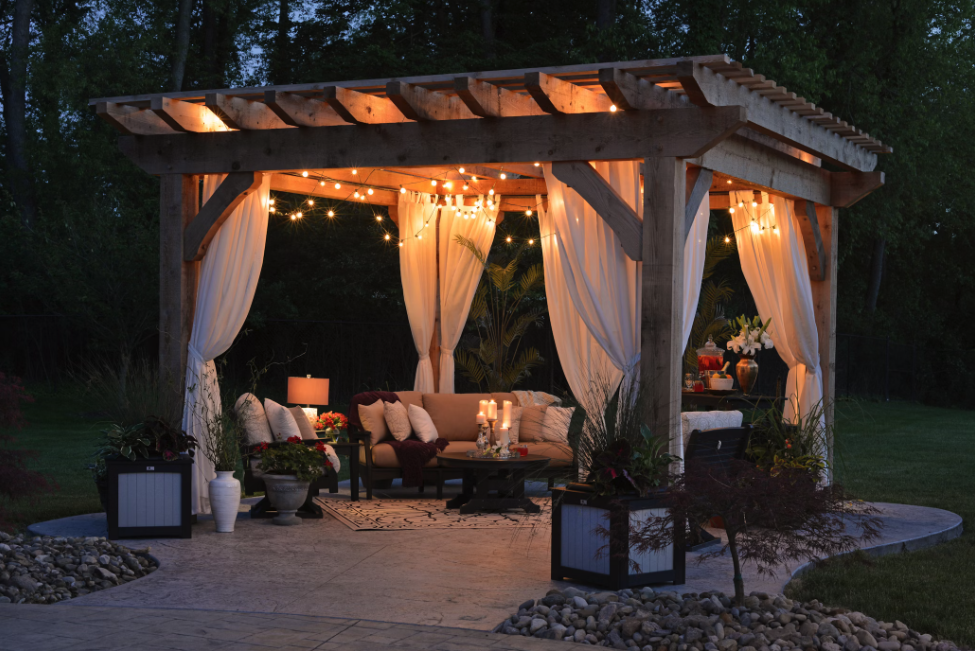
This shift reflects a broader cultural movement toward wellness, sustainability, and maximizing usable square footage. Modern outdoor design has evolved far beyond simple patio furniture arrangements, embracing sophisticated aesthetics and functional innovations that transform backyards into year-round retreats.
The Rise of Outdoor Living Rooms
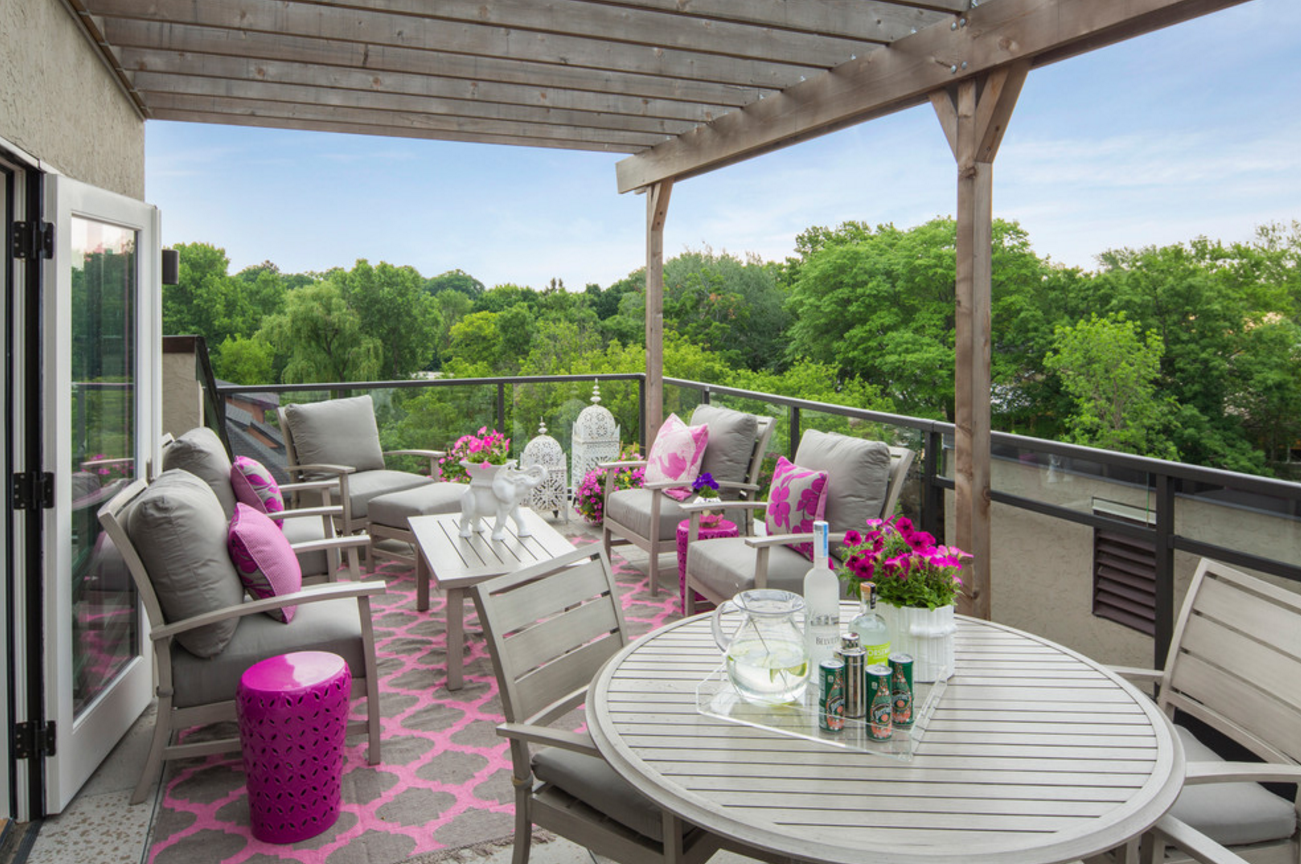
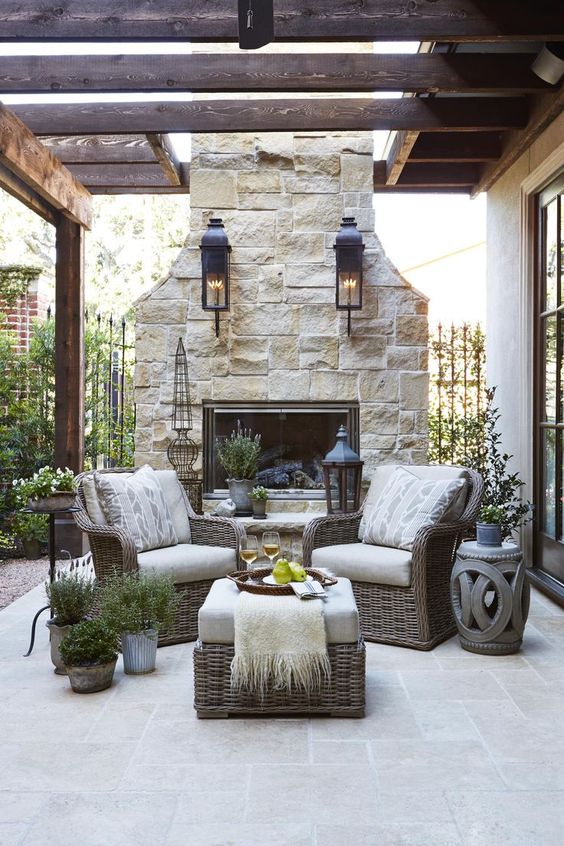
Contemporary homeowners are creating fully furnished outdoor living rooms complete with weather-resistant sofas, coffee tables, and entertainment systems. According to the American Society of Landscape Architects, outdoor living spaces ranked as the top requested design element for the fifth consecutive year in their 2023 survey, with 95 percent of landscape architects reporting client demand for these features. These spaces often include covered areas with retractable screens, built-in speakers, and ambient lighting that rivals interior design in both comfort and style.
The key to successful outdoor living rooms lies in choosing materials that withstand the elements while maintaining aesthetic appeal. Powder-coated aluminum frames, solution-dyed acrylic fabrics, and all-weather wicker have become industry standards. Many homeowners are also investing in outdoor rugs, throw pillows, and decorative accessories that can be easily stored during inclement weather, allowing for seasonal style changes that keep the space fresh and inviting.
Sustainable and Native Landscaping
Environmental consciousness has fundamentally reshaped outdoor design philosophy. Native plant landscaping has surged in popularity as homeowners recognize both its ecological benefits and reduced maintenance requirements. The National Wildlife Federation reports that landscapes using native plants can reduce water consumption by up to 50 percent compared to traditional lawns while providing crucial habitat for pollinators and local wildlife.
This trend extends beyond plant selection to encompass permeable paving materials, rain gardens, and composting systems integrated directly into landscape design. Modern homeowners are replacing water-intensive grass lawns with drought-tolerant ground covers, ornamental grasses, and carefully curated native wildflower meadows that offer visual interest throughout the seasons while requiring minimal irrigation.
Multi-Functional Outdoor Kitchens
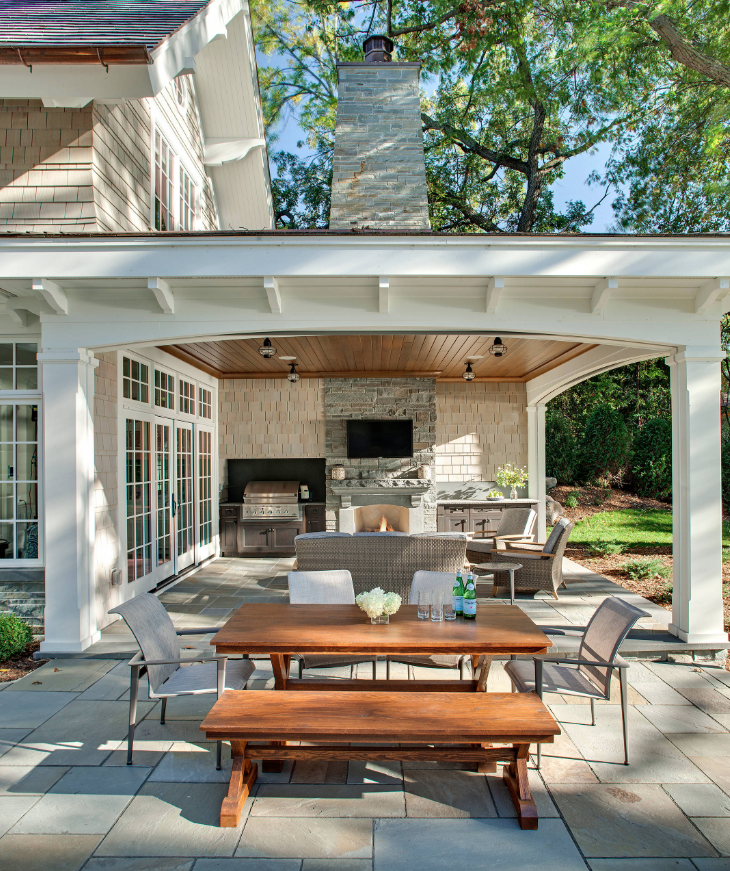
The outdoor kitchen has evolved from a simple grill setup to a comprehensive culinary workspace. Today’s designs frequently include pizza ovens, smokers, refrigeration units, and ample prep surfaces constructed from durable materials like stainless steel and natural stone. The outdoor kitchen market is projected to reach $8.7 billion by 2027, reflecting the strong consumer appetite for these elaborate cooking spaces.
Beyond cooking equipment, modern outdoor kitchens incorporate thoughtful design elements such as task lighting, storage solutions, and bar seating that encourages social interaction. Many installations now feature overhead structures with integrated climate control elements, including outdoor ceiling fans here, which allow for comfortable use even during warmer months. These fans have become essential components, providing air circulation that makes outdoor dining and entertaining pleasant throughout extended seasons.
Biophilic Design Elements
Biophilic design principles, which emphasize human connection to nature, have become central to modern outdoor spaces. This approach manifests through living walls, water features, and strategic plantings that engage multiple senses. Research from the University of Exeter found that spending just 120 minutes per week in nature is associated with good health and wellbeing, motivating homeowners to create outdoor environments that encourage frequent use.
Water features particularly exemplify this trend, with naturalistic ponds, rill systems, and contemporary fountains providing visual focal points and soothing soundscapes. These elements serve dual purposes by attracting beneficial wildlife while creating tranquil atmospheres that promote relaxation and stress reduction.
Smart Technology Integration
Technology has seamlessly integrated into outdoor living spaces through smart irrigation systems, automated lighting, and app-controlled entertainment systems. Weather-responsive irrigation controllers can reduce water usage by up to 50 percent by adjusting watering schedules based on real-time weather data and soil moisture levels. Meanwhile, programmable LED lighting systems allow homeowners to create custom ambiance for different occasions, from intimate dinners to large gatherings.
Voice-activated controls now manage everything from outdoor speakers to motorized screens and awnings, making it effortless to adjust the environment for comfort and entertainment. These technological additions don’t compromise aesthetics; instead, they’re thoughtfully concealed within the overall design scheme.
Wellness-Focused Spaces
The pandemic accelerated interest in outdoor wellness amenities, with hot tubs, saunas, and dedicated meditation gardens becoming increasingly common. Many homeowners are creating outdoor yoga platforms, fire pit gathering areas, and quiet reading nooks that support mental and physical health. These spaces often incorporate privacy screening through strategic plantings or decorative panels, creating intimate retreats within larger yards.
Modern outdoor design represents a holistic approach to home living that prioritizes comfort, sustainability, and connection to nature. As these trends continue evolving, outdoor spaces will increasingly function as essential rooms rather than seasonal afterthoughts, reflecting our growing understanding of how thoughtfully designed environments enhance daily life and overall wellbeing.