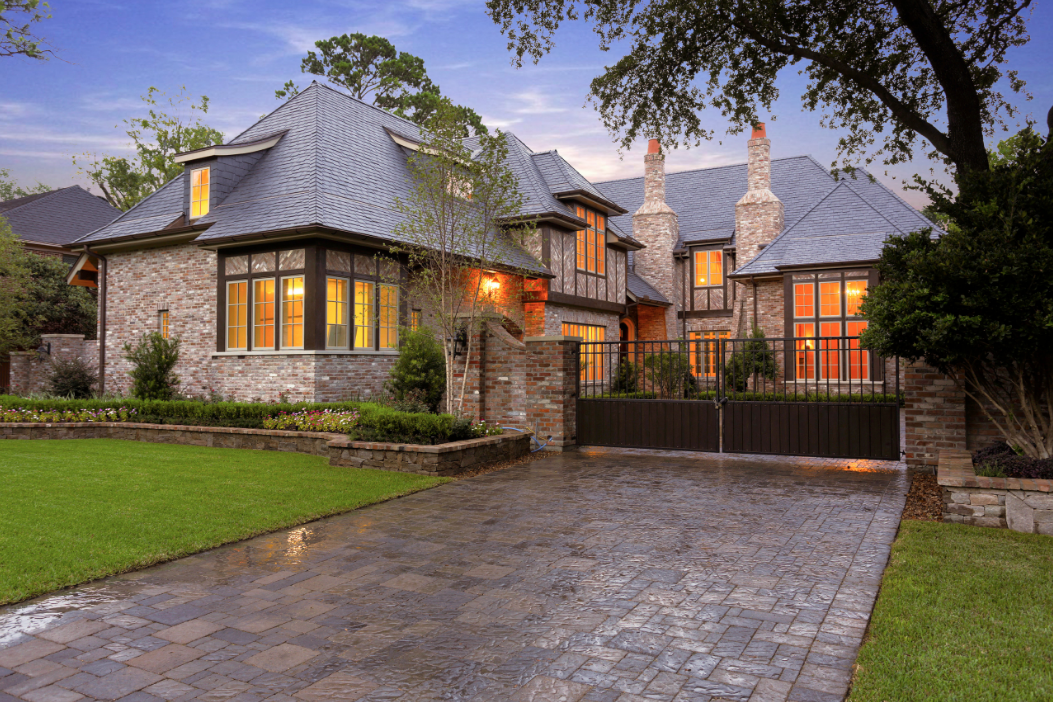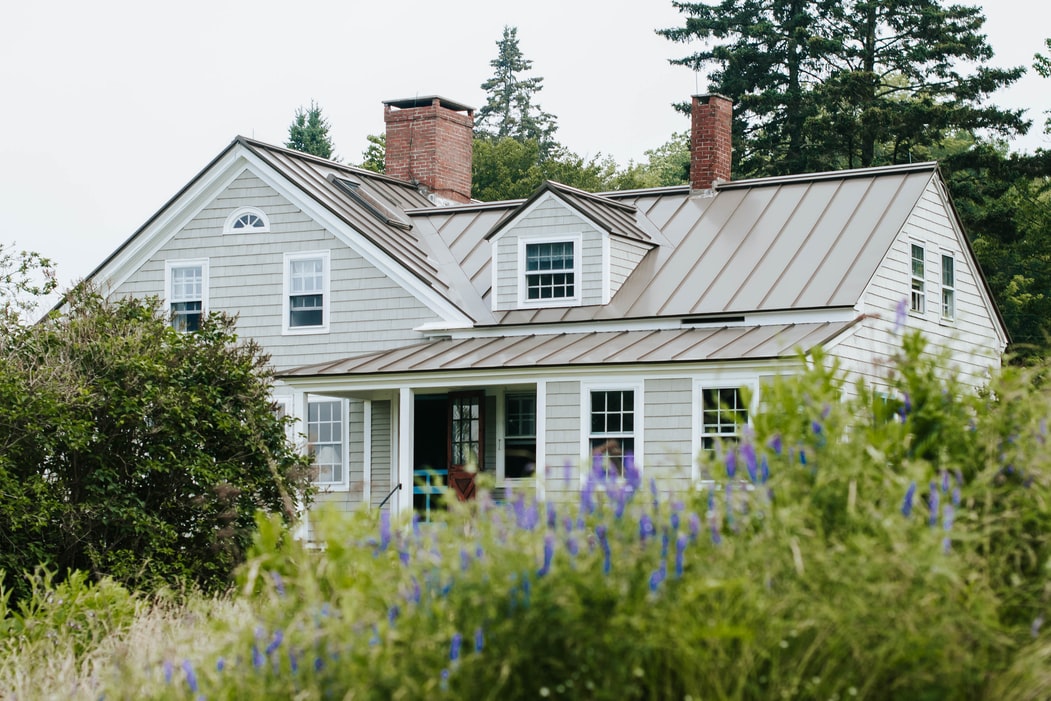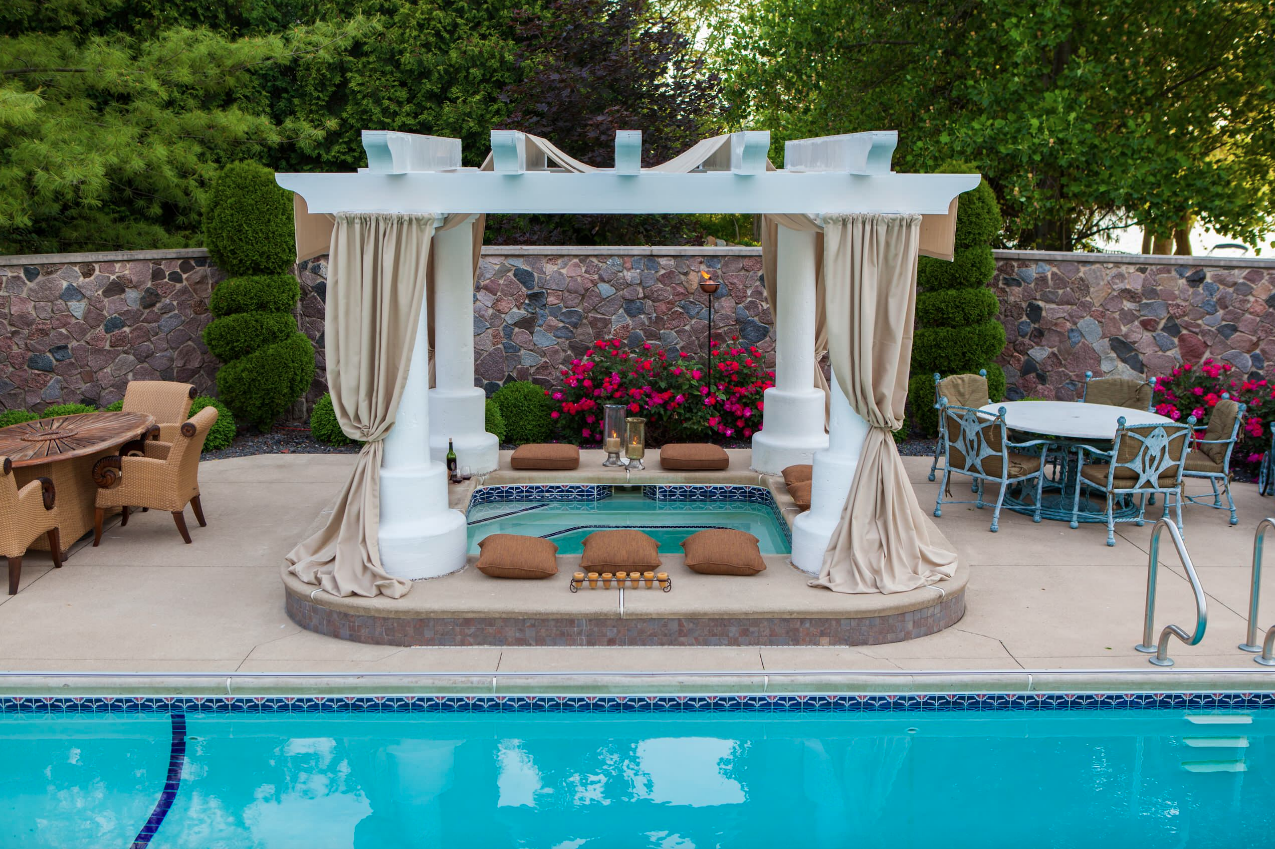

The Smart Way to Approach Renovations, New Builds, and Commercial Projects
If there is one thing I have learned about renovations and building projects, it is that the prettiest ideas in the world can still turn into a stressful mess without the right planning behind them.
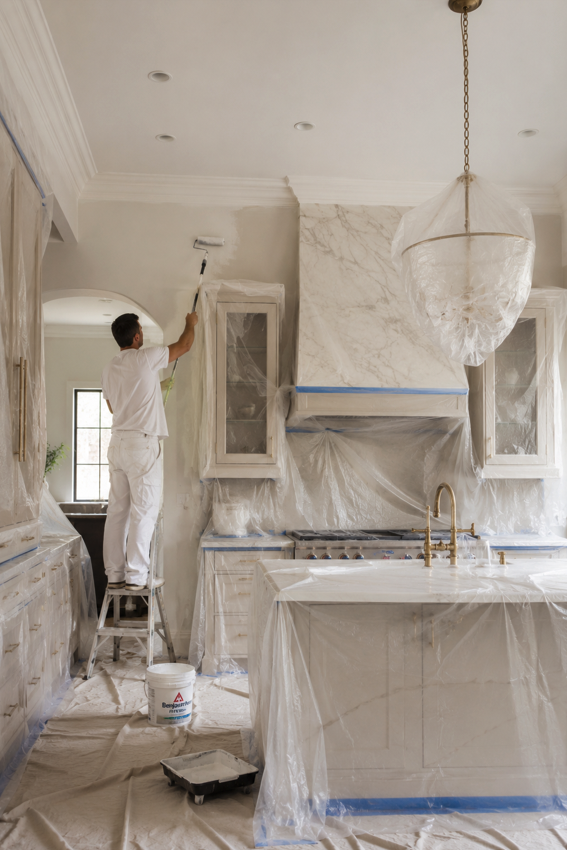
It Is Easy to Focus on the Fun Parts First
Whenever someone starts talking about a renovation or a new build, the conversation usually goes straight to the exciting stuff. Kitchen styles, flooring, paint colors, lighting, maybe even the dream pantry or the perfect open-plan living room. I completely get it because those are the details that make a project feel real and exciting. But the truth is, the smartest projects start much earlier, with a solid plan.
That is why having the right team behind a project matters so much. Modern Farmhouse Style is a great example of the kind of support people often need, because HMA Architecture works across residential renovations, commercial developments, and institutional projects while also helping with architectural design, interior design, structural engineering, feasibility studies, project management, and local planning approvals and building permits. When all of those moving parts are looked after from the beginning, the whole process tends to feel a lot less overwhelming.
Good Design Is Not Just About Making a Space Look Nice
I think people sometimes hear “architectural design” and immediately picture the finished look of a home or building. And yes, of course that matters. But good design is also about how a space actually works once you are living in it or using it every day. It is about whether a kitchen layout makes sense, whether a room gets enough natural light, whether storage has been thought through, and whether the whole space feels comfortable instead of awkward.
The same goes for commercial spaces too. A beautiful office, retail store, or restaurant still needs to function properly for the people using it every day. That is why design and planning really have to go hand in hand.

Planning Is the Part That Saves You Later
I know project planning is not the glamorous side of a renovation or build, but it is probably the part that saves the most stress in the long run. This is where things like budgeting, timelines, permits, structural planning, and local approvals come in. None of it sounds as fun as choosing tiles, but it is exactly what can stop a project from spiraling into delays and extra costs halfway through.
I have seen this happen with people who thought they were doing a fairly simple renovation, only to discover that one wall could not be removed as easily as expected, or that old plumbing and electrical work needed far more attention than anyone realised. Those are the kinds of surprises that can completely change a budget and timeline.

I Have Seen How Fast a “Simple” Renovation Can Change
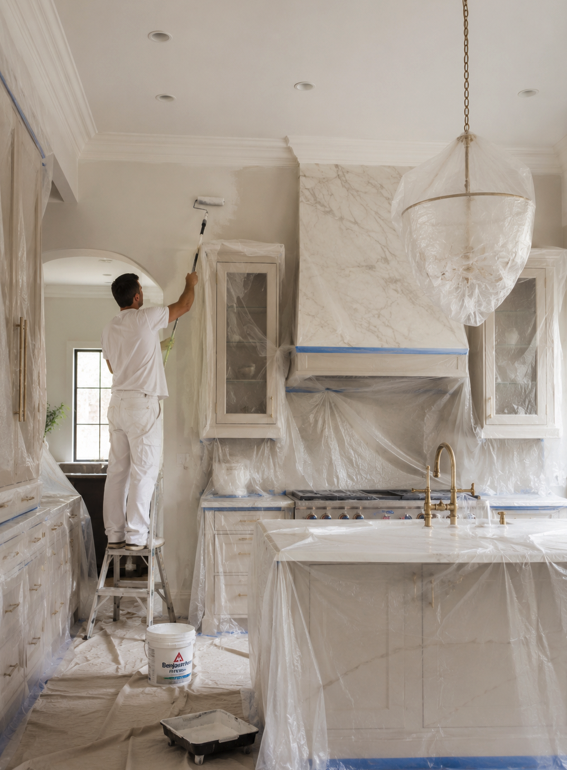
A family I know once started a kitchen and dining renovation that seemed pretty straightforward at first. Everyone was focused on finishes and the final look, which is normal, but not enough attention had been given to the planning side. Once work started, they found out the wall they wanted to remove affected structural support, the electrical needed updating, and the timeline stretched way beyond what they had expected.
Watching that unfold really stuck with me because it was such a clear reminder that the smartest renovation decisions usually happen before demolition even begins. A good plan does not take the excitement out of a project. If anything, it protects it.
The Best Projects Feel Thofught Through From the Start
Whether you are renovating a home, building a new one, or planning a commercial project, I really think the best results come from looking at the whole picture early on. When design, engineering, approvals, budgets, and timelines are all considered together, the process tends to feel smoother and the end result feels more intentional.
At the end of the day, a successful project is not just about having a beautiful finished space. It is about getting there without unnecessary stress, expensive mistakes, and constant surprises along the way.