
Personal Liability and Structural Rot: Why Sacramento Condo Boards Cannot Afford to Ignore SB 326
Most people who join an HOA board do it out of civic duty or frustration with how things have been run. Nobody signs up expecting to face personal legal exposure over the condition of a walkway railing!
Yet that is precisely where California law has placed every director of a condominium association since SB 326 took effect. The statute does not treat the board as a faceless collective — it assigns fiduciary responsibility to the individuals who sit on it. And when the obligation involves structural safety, the stakes escalate beyond anything a volunteer typically anticipates.
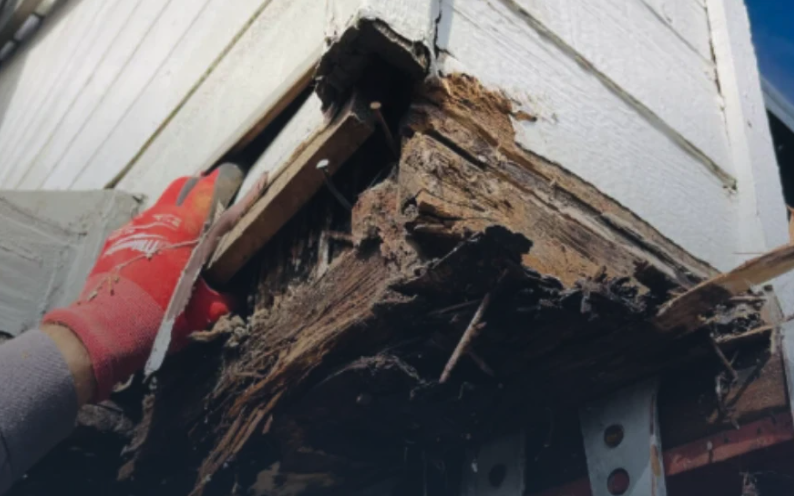
SB 326, housed in Civil Code Section 5551, grew out of a balcony collapse in Berkeley that killed six people in 2015. Concealed wood rot had destroyed the load-bearing members while the exterior showed no distress. The legislature determined that condominium communities needed a mandatory inspection framework with teeth — and SB 326 delivered exactly that. AbdInspections https://abdinspections.com/sb-326-inspection/ partners with Sacramento HOAs to manage the full scope of this requirement, from the initial engineer-led assessment through structural remediation and warranty-backed repair. The January 2025 deadline for the first cycle has passed. Boards that have not completed the process are accumulating daily penalties up to five hundred dollars, with deeper consequences building behind the scenes.
What Makes SB 326 Different From a Routine Maintenance Check
A common misconception among board members is that their existing maintenance program — annual painting, gutter cleaning, periodic deck resurfacing — somehow satisfies the statutory requirement. It does not. SB 326 prescribes a formal two-phase structural evaluation that only a licensed architect or structural engineer can perform.
The visual phase covers every exterior elevated element in the community. Balconies, decks, stairways, elevated walkways, porches, railings — each one is individually documented for surface-level indicators of wear and potential hidden damage. The engineer photographs deterioration patterns, drainage failures, and areas where moisture may be penetrating behind the finish.
The invasive phase is where the real findings emerge. The law requires probing a random, statistically significant sample of each element category. Cladding is removed at selected points, and borescope cameras capture the internal condition of structural framing. Joist decay at ledger connections, corroded metal brackets, and failed waterproofing layers are routinely discovered in buildings that passed visual inspection without concern. All test openings are sealed and repaired once data collection is complete.
The Board’s Post-Inspection Obligations
Filing the engineer’s report does not close the loop. SB 326 imposes a chain of duties that extend well beyond the assessment itself.
Mandatory board actions after receiving the report:
- Disclose the full inspection results to every unit owner — not an edited summary, the complete findings including photographs and deficiency ratings
- Integrate repair costs into the association’s reserve study when recommended work exceeds thirty percent of the remaining useful life of affected components
- Allocate reserve funds to cover both inspection expenses and any structural corrective work the engineer deems necessary
- Begin emergency remediation within one hundred eighty days for any condition the engineer classifies as an immediate safety threat
- Maintain all inspection and repair records on file for the entire nine-year compliance cycle
Each of these steps is tied to the board’s fiduciary duty under the Davis-Stirling Act. Neglecting any one of them opens individual directors to lawsuits from unit owners — and courts in California have shown little reluctance to hold board members personally accountable when documentation proves they were informed of deficiencies and failed to act.
How AbdInspections Supports the Process
The Sacramento-based company manages both diagnostic and construction phases under one engagement. Their team coordinates the licensed engineering assessment, prepares documentation formatted to jurisdictional standards, and executes all structural repairs with their own licensed crew. Materials include Trex, TimberTech, Redwood, and Westcoat waterproofing systems. Completed work is warranted for up to five years. A superintendent with a track record exceeding a thousand evaluations directs each significant project.
- Initial consultation with the board or property manager to scope the community, count elevated elements, and deliver a transparent cost proposal
- Engineer-led field assessment combining visual documentation with statistically sampled invasive testing via borescope diagnostics
- Delivery of a stamped compliance report with defect catalog, severity ratings, and prioritized repair directives
- In-house construction for all corrective work — from targeted member replacement to complete balcony reconstruction
- Closeout with warranty package and submission-ready documentation for association records
What Boards Stand to Lose by Waiting
Five hundred dollars per day in civil penalties is the headline risk. Behind it: insurance underwriters pulling or repricing coverage on associations without current reports, homeowner lawsuits demanding compliance, and the ever-present specter of personal liability if a structural failure injures someone on a common-area element the board neglected to evaluate. None of these risks diminish with time. Reach out to AbdInspections and take the first step toward getting your association’s compliance in order.