
Choosing Right for Every Room: A Material-First Approach to Design
When it comes to home design, aesthetics can sometimes carry an outsized consideration!
Don’t get it twisted–they are important. Crucial, really. However, there is far more to design than color and first impressions. Design should encompass the gamut of concerns, functionality, safety, and sustainability.
With this in mind, keep reading as we explore some innovative materials that can help you make the most of every room for an upcoming design project.
Kitchen: Function Over Form
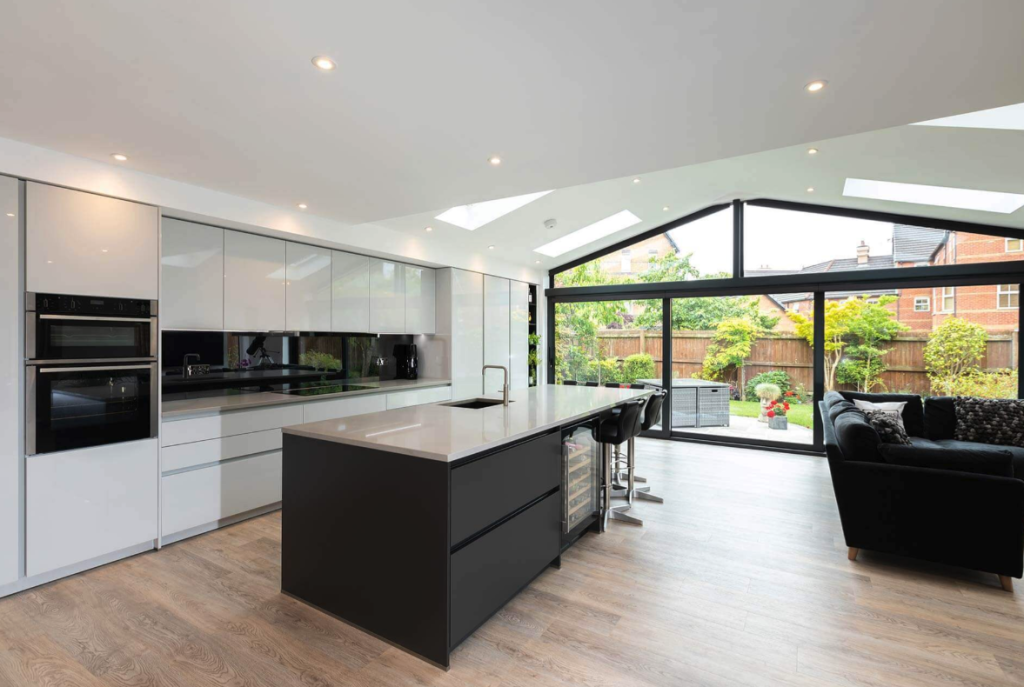
It’s very tempting to get too cute in the kitchen. Built-in deep fryers. Strongly themed aesthetics. Butcher block counters. These features may be “the dream” for you at the moment. But what happens when you’re ready for a change? What if you need to list the home? These features suddenly become more trouble than they’re worth.
Therefore, fight the urge to create your dream kitchen. Instead, focus on practical upgrades. Durability and low maintenance are kitchen features that stand the test of time. Replace tacky linoleum flooring with LVT, tile, or hardwood. Explore quartzite countertop slab ideas for stunning, wear-resistant surfaces. Opt for classy cabinetry over avant-garde shelving for timeless cookware storage.
Bathrooms: Stylish Safety
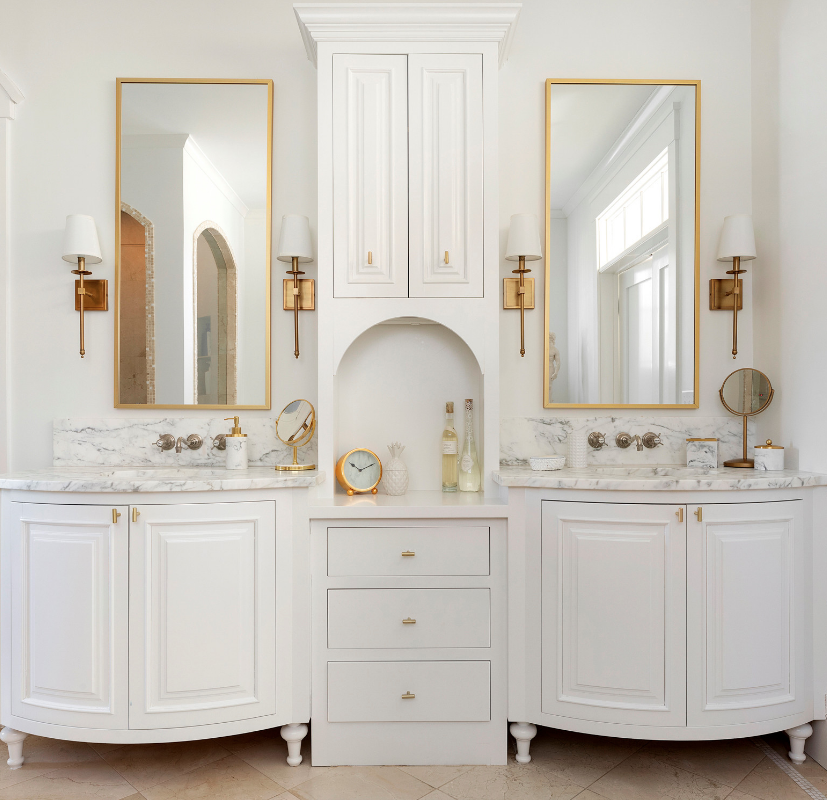
A spa-like oasis. Yes, many people dream of this for their bathroom. Then the facts of life rear their head.
Kids splashing water all over the floor. An injury gets in the way of your normal toilet routine. You host a holiday get-together and have a dozen guests needing to use the facility.
In a similar vein to kitchens, overly extravagant bathroom accents aren’t the way to go. Case in point: oversized soaking tubs. It’s easy to envision unwinding after a long day with bubbles up to your chin and a cocktail in your hand. However, the chances to do this often turn out to be few and far between. The tub becomes underutilized, and it doesn’t have much of an ROI as a value-add. In fact, the Journal of Light Construction shows that an upscale bathroom remodel only returned 42% of project costs in 2025.
It’s better to look into bathroom materials that promote safety amid heavy usage. Curbless shower entries. Textured tiles for slip resistance. Stainless steel grab bars around toilets and shower peripheries. These are the types of features that you will use (and be glad you have) on a daily basis.

Bedrooms: Calming Textures
If a calming oasis is the goal for the bathroom, it is a necessity for the bedroom. While unwinding in a spa-like haven doesn’t happen as often as it should, unwinding in your own bed will happen every night (one would hope!). The bed is obviously the focal point. Choose a tufted, high-backed bed and dress it in plush Egyptian cotton bedding. Layer with fluffy pillows for a high-end hotel feel.
Elevate the walls and windows. Install floor-to-ceiling drapery to make the room feel larger. Oversized, ornate mirrors assist in this regard. Leverage the calming effects of texture. This is accomplished through shiplap wall paneling or molding. Select lighting wisely. Don’t settle for a single ceiling light. Use a layered approach. Chandeliers. Table lamps. Sconces. They combine to elicit a calming ambiance in the most personal space of the home.
Living Areas: Open Yet Purposeful
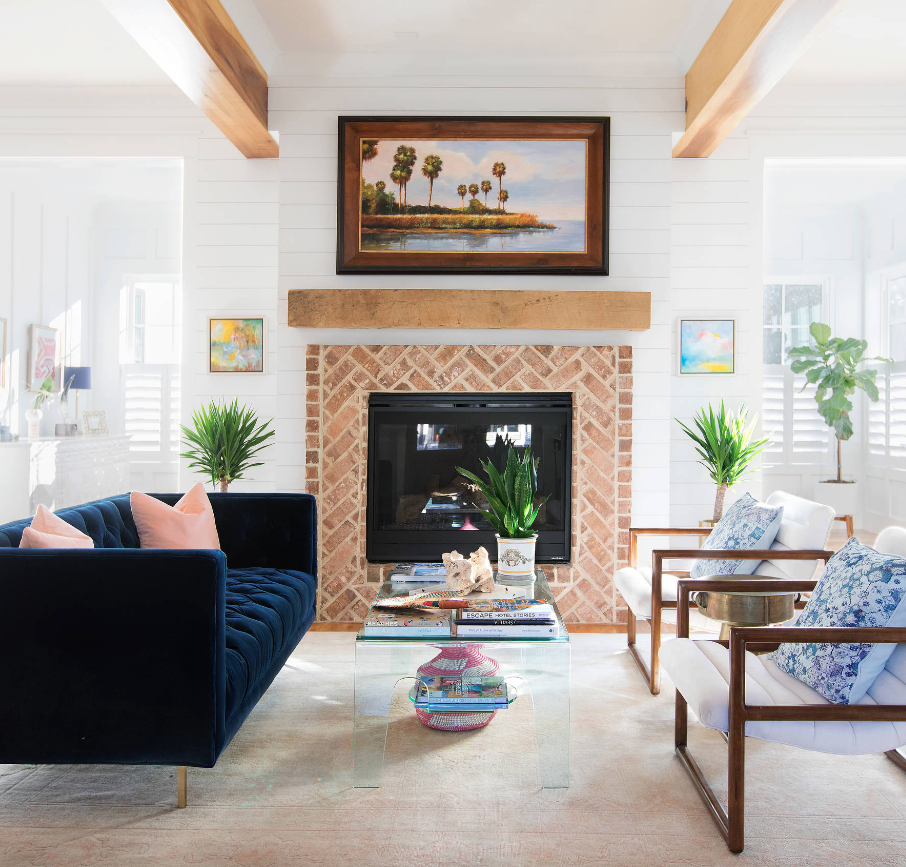
The open concept. There’s nothing to say that hasn’t been said a million times. Homeowners love the open, flowing layout. It is brighter and more inviting than more heavily-walled living spaces. With that said, there is a greater focus on functional zones in 2026. Too many open living areas become a jumbled mess without the proper design focus. Some ideas for more purposeful open living areas:
- Use anchor rugs to create visual boundaries
- Keep furniture away from walls to facilitate movement while creating separation
- Add functional dividers (decorative screen panels, open bookshelves)
- Maintain color cohesion to help the distinct zones feel connected rather than chaotic
It is also important to consider the flooring. Engineered hardwood and LVT are better choices than carpet for withstanding furniture rearrangement and partition placement.
Home Offices: Performance-First Approach
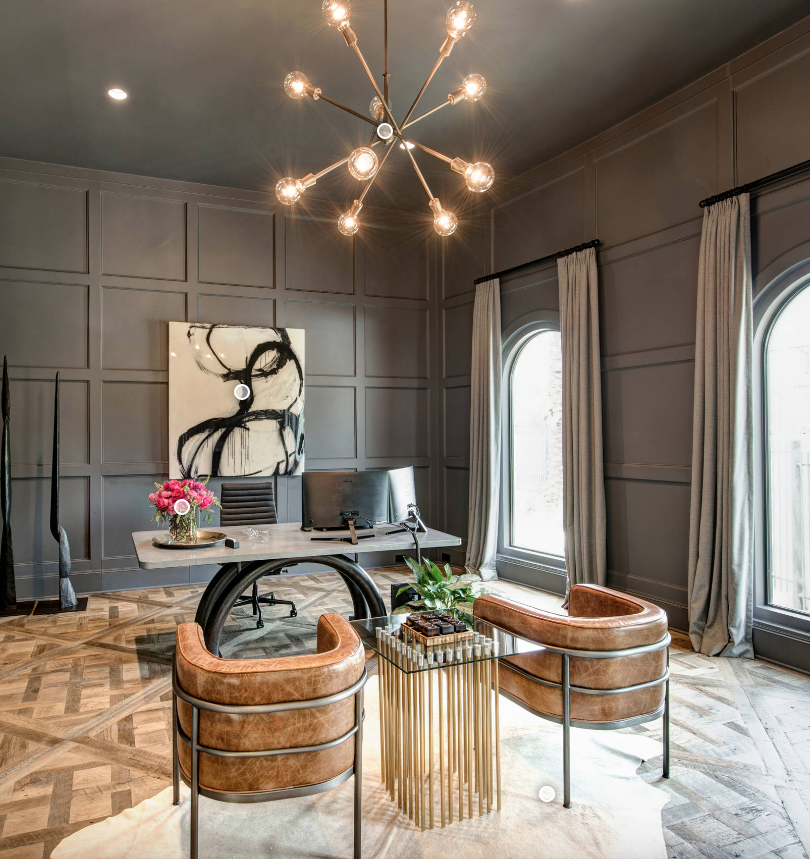
Home offices are no longer a desk tucked into a corner. They aren’t a guest bedroom wearing camouflage. They are a crucial component of modern home design. Remote work. Digital content creation. Online schooling. There are numerous reasons that it is essential to make the home office a high-performance space.
Start with soundproofing. Quiet insulation material such as non toxic insulation or mineral wool, and acoustic wall panels. Innovative window seal inserts to keep exterior noise outside.
Also consider lighting. There is ample evidence that natural light is better for focus and mental health than artificial lighting. Orient the office desk strategically so that glare from the windows don’t inhibit monitors while maximizing daylight into the space.
Then there are the surfaces. Nonporous flooring (engineered hardwood) and desks (solid surface) are a great idea. They limit the time required for custodial tasks, freeing more of the work day for career-specific tasks.
Materials Matter: Transform Each Room in Your Home with Innovative Products
“You can’t judge a book by its cover.” Take this old maxim and make it “there’s more to a book than its cover” as it applies to home design. Function. Safety. Purpose. These are some of the deeper, material-driven considerations that can help any room in your home stand out. For more of the latest trends in home and design, explore the content at Better Decorating Bible for ideas and inspiration!