Commercial vs. Industrial Roofing: What’s the Difference?
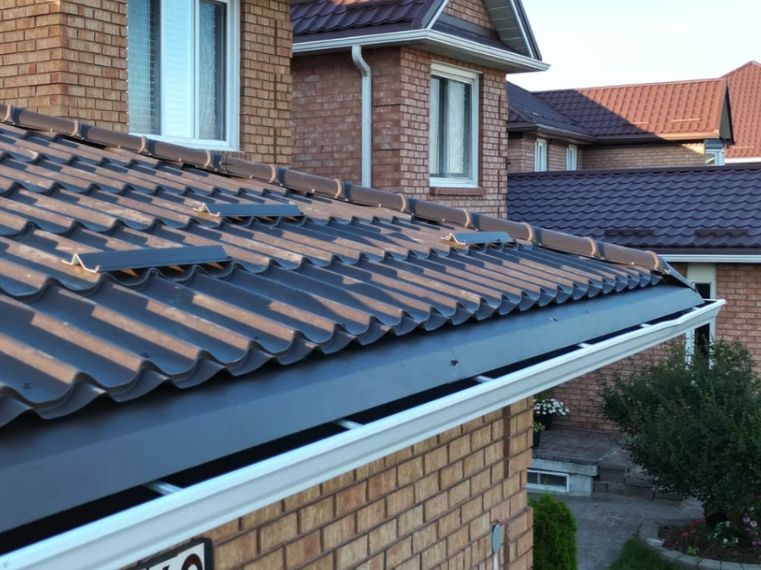
Commercial and industrial roofing systems may look similar at first glance, but they are engineered for very different building demands, structural loads, and performance expectations.
Understanding Commercial and Industrial Roofing Services
When businesses invest in commercial roofing services or industrial roofing services, they are protecting far more than a building — they are safeguarding operations, inventory, employees, and long-term capital investments. Experienced contractors like Sentry Roofing (roofing new hampshire) specialize in repairing, replacing, and maintaining TPO, PVC, EPDM, metal, and built-up roofing systems for businesses throughout Indiana and Illinois. As a trusted Platinum Duro-Last Contractor, they provide advanced leak repairs, metal roof retrofits, and custom preventative maintenance plans that help facilities extend roof lifespan and reduce costly downtime.
Understanding the structural and functional differences between commercial and industrial roofing systems helps property owners make smarter, cost-effective decisions.
What Is Commercial Roofing?
Commercial roofing typically serves office buildings, retail centers, schools, healthcare facilities, and multi-tenant properties. These structures often feature flat or low-slope roofing systems designed to support HVAC units, solar panels, and drainage systems.
The most common commercial roofing materials include:
- TPO roofing membranes (energy efficient and UV resistant)
- PVC roofing systems (durable and chemical resistant)
- Built-up roofing (BUR) systems (multi-layer protection)
- Modified bitumen roofing
Commercial roofs prioritize energy efficiency, waterproofing, and ease of maintenance. Because these buildings often have high occupant traffic, preventing leaks and maintaining insulation performance is critical.
Regular roofing maintenance plays a major role in extending roof life. Routine inspections, seam reinforcement, drainage clearing, and membrane checks reduce the likelihood of unexpected structural damage. Many property owners research roofing maintenance strategies before scheduling professional inspections to better understand long-term roof care planning.
What Is Industrial Roofing?
Industrial roofing systems are designed for factories, warehouses, distribution centers, and manufacturing facilities. These buildings typically have larger square footage, heavier mechanical equipment, increased rooftop traffic, and exposure to extreme temperature fluctuations.
Common industrial roofing materials include:
- EPDM roofing (flexible and impact resistant)
- Standing seam metal roofing
- Structural metal panel systems
- Reinforced single-ply membranes
Industrial roofs must withstand chemical exposure, vibration, thermal expansion, and constant operational stress. Because of this, they often require more specialized services such as metal roof retrofits, reinforced flashing systems, and advanced leak detection.
Industrial facilities benefit significantly from customized maintenance plans that align with production schedules and operational demands. Proactive leak repair and reinforcement prevent interior equipment damage and costly shutdowns.
Key Differences Between Commercial and Industrial Roofing
While both systems protect business assets, their differences are important:
Building Function:
Commercial roofs focus on energy efficiency and occupant comfort, while industrial roofs prioritize durability and load-bearing strength.
Material Performance:
Commercial systems often use lightweight reflective membranes. Industrial systems rely on heavier-duty materials built to handle impact and chemical exposure.
Maintenance Requirements:
Industrial roofing typically demands more frequent inspections and structural assessments due to equipment stress and environmental exposure.
Understanding these distinctions helps business owners determine whether repair, replacement, or retrofit services are the most cost-effective option.
Why Preventative Roof Maintenance Matters
One of the biggest ranking search terms in roofing is preventative maintenance — and for good reason. Preventative commercial roof maintenance can extend system life by 10–15 years when properly executed. Scheduled inspections catch membrane punctures, flashing deterioration, drainage blockages, and seam separation before they escalate into structural damage.
Businesses in Indiana and Illinois working with experienced contractors gain access to:
- Comprehensive roof inspections
- Infrared leak detection
- Emergency roof repair services
- Custom maintenance programs
- Energy-efficient retrofit solutions
Working with a Platinum Duro-Last Contractor ensures installations meet strict manufacturer standards, preserving warranty coverage and long-term system integrity.
Choosing the Right Roofing Partner
Whether managing a retail complex or operating a large industrial warehouse, selecting the right roofing contractor directly impacts long-term facility protection. Professional commercial and industrial roofing services go beyond installation — they provide strategic asset protection, lifecycle planning, and emergency response support.
Understanding the difference between commercial and industrial roofing systems allows businesses to invest confidently in solutions that reduce operational risk, improve energy performance, and protect their bottom line.