
Here Are 10 Signs You Need a New Roof & How to Prepare for a Roof Replacement

Your roof is one of the most important parts of your home, and recognizing the warning signs early can help you avoid costly damage and stress later on!

Your roof quietly protects everything beneath it—your family, your belongings, and the investment you’ve worked so hard to build—yet it’s often the most overlooked part of a home until something goes wrong. Many homeowners don’t realize there’s an issue until water stains appear, energy bills rise, or storm damage becomes impossible to ignore. Understanding the early warning signs of roof failure can help you plan ahead, avoid emergency repairs, and make confident decisions about roof replacement before minor problems turn into major headaches. For homeowners who want clarity and peace of mind, working with an experienced local contractor like Rock Castle Roofing can make it easier to assess your roof’s condition, understand your options, and plan a replacement before damage escalates.
1. Your Roof Is Over 20 Years Old
Most asphalt shingle roofs last between 20 and 25 years. If your roof is approaching or past this age, it may be time to start planning a replacement—even if there are no obvious leaks yet. Older roofs are more vulnerable to weather damage and material breakdown.
2. Curling, Cracked, or Missing Shingles
Shingles that are curling at the edges, cracked, or missing altogether are clear indicators your roof is deteriorating. These issues allow moisture to penetrate the roof system, increasing the risk of leaks and interior damage.
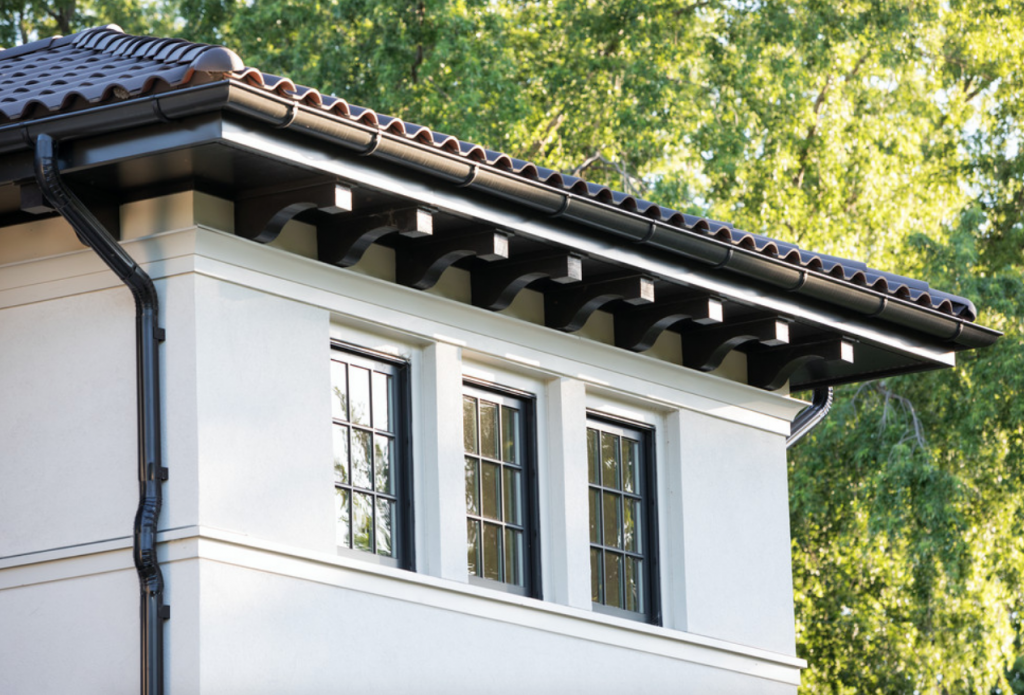
3. Granules in Gutters or Downspouts
If you notice shingle granules collecting in your gutters, it’s a sign your shingles are wearing out. Granule loss reduces UV protection and accelerates roof aging, making replacement more likely.
4. Water Stains on Ceilings or Walls
Brown stains, bubbling paint, or peeling drywall often indicate a roof leak. Even small leaks can lead to mold growth and structural damage if not addressed quickly.
5. Sagging Roof Lines
A sagging roofline is a serious warning sign. It may indicate structural issues, trapped moisture, or compromised decking. This is not something to ignore and should be inspected immediately.

6. Rising Energy Bills
A failing roof can negatively impact your home’s insulation and ventilation. If your heating or cooling bills are climbing unexpectedly, your roof may no longer be doing its job efficiently.
7. Daylight in the Attic
If you can see daylight coming through the roof boards when you’re in the attic, water can get in just as easily. This is a strong sign that replacement—not just repair—may be needed.
8. Mold or Moss Growth
Moss, algae, or mold growth on your roof can trap moisture and damage roofing materials over time. While some growth can be cleaned, widespread issues often point to deeper problems.
9. Frequent Repairs
If you find yourself calling for roof repairs repeatedly, replacement may be the more cost-effective option. Ongoing patchwork can quickly add up without solving the underlying issue.
10. Storm or Wind Damage
Severe storms can shorten your roof’s lifespan dramatically. After heavy wind, hail, or rain, it’s wise to have a professional roofing inspection—even if damage isn’t obvious from the ground.
How to Prepare for a Roof Replacement
As both a homeowner and interior designer, I’ve learned that preparation makes all the difference. When I replaced my own roof, I made sure to protect interior spaces by covering furniture, removing wall décor, and planning for noise and debris. From a design standpoint, I also considered roofing color and material to complement the home’s exterior and boost curb appeal. Working with an experienced roofing contractor helped the process go smoothly and avoided surprises.
Before your roof replacement, schedule a professional inspection, understand your material options, review timelines, and plan for temporary disruptions. Choosing a trusted local roofing company ensures proper installation and long-term protection.
Final Thoughts
Recognizing the signs you need a new roof allows you to act before small issues become major problems. A timely roof replacement protects your home’s structure, improves energy efficiency, and adds lasting value. If you suspect your roof may be nearing the end of its lifespan, a professional inspection is the best first step.