

What Does a Locksmith Do?
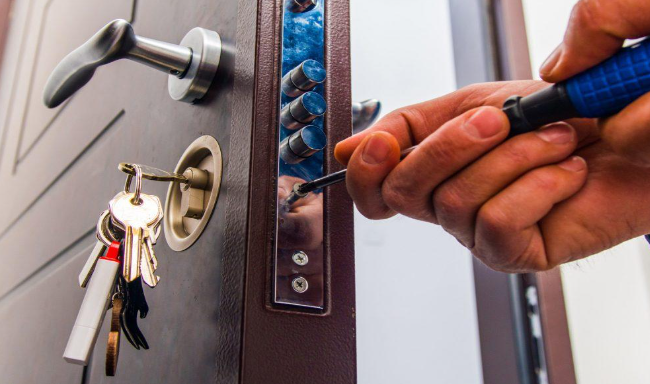
From safeguarding your home during a renovation to upgrading locks that match your new design, a locksmith plays a key role in both the security and finishing touches of a well-planned home makeover.
The profession of a locksmith is often mystified by the intricate work they perform— from rescuing stranded individuals locked out of their vehicles to installing high-level security systems in commercial buildings. Their skill set is diverse, enabling them to handle a wide range of tasks beyond the traditional lock-and-key work. A locksmith is a crucial professional in ensuring security and access control across residential, automotive, and commercial settings. Locksmiths are called upon not only in times of crisis but also to maintain the safety and integrity of lock systems. Below, we delve into the responsibilities and expertise required in the residential home locksmith industry.
Exploring the Role of a Professional Locksmith
Locksmiths are the unsung heroes of security, skilled technicians who ensure locks and security systems function seamlessly. Professional locksmiths handle all aspects of locking systems, including installation, repair, and maintenance. Their proficiency allows them to comprehend a wide range of locking systems, from traditional deadbolts to modern smart locks.
One of the primary services locksmiths offer is emergency response. Whether it’s helping a homeowner regain entry after losing keys or changing locks after a burglary, locksmiths provide critical assistance when security is compromised. Proactively, they consult with clients to upgrade or install new locking mechanisms that provide advanced protection.
The advent of technology has expanded the locksmith’s toolkit to include electronic and biometric systems. Understanding these advanced security measures is now integral to a locksmith’s job. It’s not just about fixing locks, but also about tailoring security solutions to client needs. This requires a locksmith to be detail-oriented and technologically savvy.
Moreover, a responsible locksmith must stay up to date on the legal aspects of security systems and privacy laws. This ensures that all operations comply with legal standards and protects both the locksmith and their clients from potential legal repercussions. The cornerstone of a trustworthy locksmith is not just technical skills, but also a firm commitment to ethics and customer service.
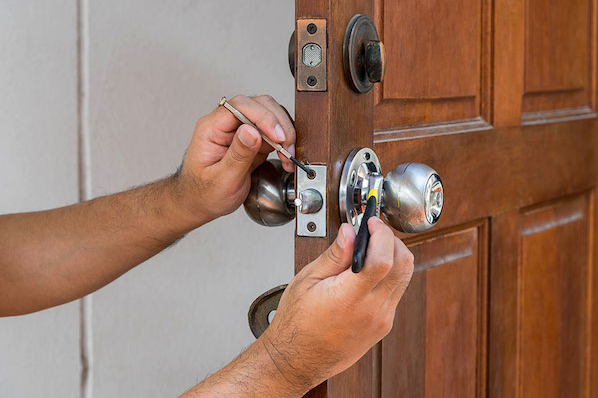
The Art of Cutting and Duplication of Keys
A fundamental aspect of a locksmith’s role is key cutting and duplication. Mastering this skill requires precision and attention to detail, as a small error can render a key useless. Professional locksmiths use specialised machines to create accurate copies of keys, ensuring that the new key operates just as smoothly as the original.
In addition to traditional key cutting, locksmiths often create high-security keys that are resistant to duplication. These keys often entail complex configurations and require advanced equipment to replicate. This service is invaluable for businesses and homes seeking to enhance their security levels.
Furthermore, modern locksmiths deal with more than just metal keys. Today’s security landscape includes key fobs, transponder keys, and programmable keys that interact with vehicles and security systems. A skilled locksmith must adapt to these innovations and possess the necessary technology to program and troubleshoot electronic key systems.
It’s also vital for locksmiths to understand the variances in key mechanisms across different brands and systems. Having this knowledge ensures they can provide key solutions for a wide range of locks, serving a broad client base while maintaining a reputation for competence and reliability.
The Importance of Continued Education and Certification in Locksmithing
The locksmith profession is dynamic, with continuous evolution in both traditional and electronic security. This reality necessitates continuing education and certification for locksmiths to remain at the forefront of the field. Many trade associations and organisations offer ongoing training and accreditation for locksmiths to keep them up to date with the latest technologies and practices.
Advancements in lock and security technology require locksmiths to be lifelong learners. Regular participation in workshops and seminars equips them with the knowledge of cutting-edge systems and the nuances of installation and maintenance. Such commitment to growth is indicative of a locksmith’s dedication to their trade.

Certification also plays an important role in establishing a locksmith’s credibility and trustworthiness. Holding recognised certifications is a testament to a locksmith’s expertise and professionalism, reassuring clients about the quality of services. Furthermore, it elevates standards across the industry.
Ultimately, the robust professional development of locksmiths ensures they can meet the security challenges of the 21st century. Continuing education empowers locksmiths to deliver exceptional service and innovative solutions to their clients’ ever-changing needs.
Locksmiths play a vital role in our society, providing indispensable services that contribute to our well-being and property protection. By embracing continuous learning and staying current with technological advances, locksmiths will continue to provide valuable security solutions for years to come.