
How Strategic Renovations Can Increase Property Appeal and Market Value
Whether you’re planning to sell or simply want to enjoy your home more, the right renovations can make a big difference in how your property looks, feels, and is valued!
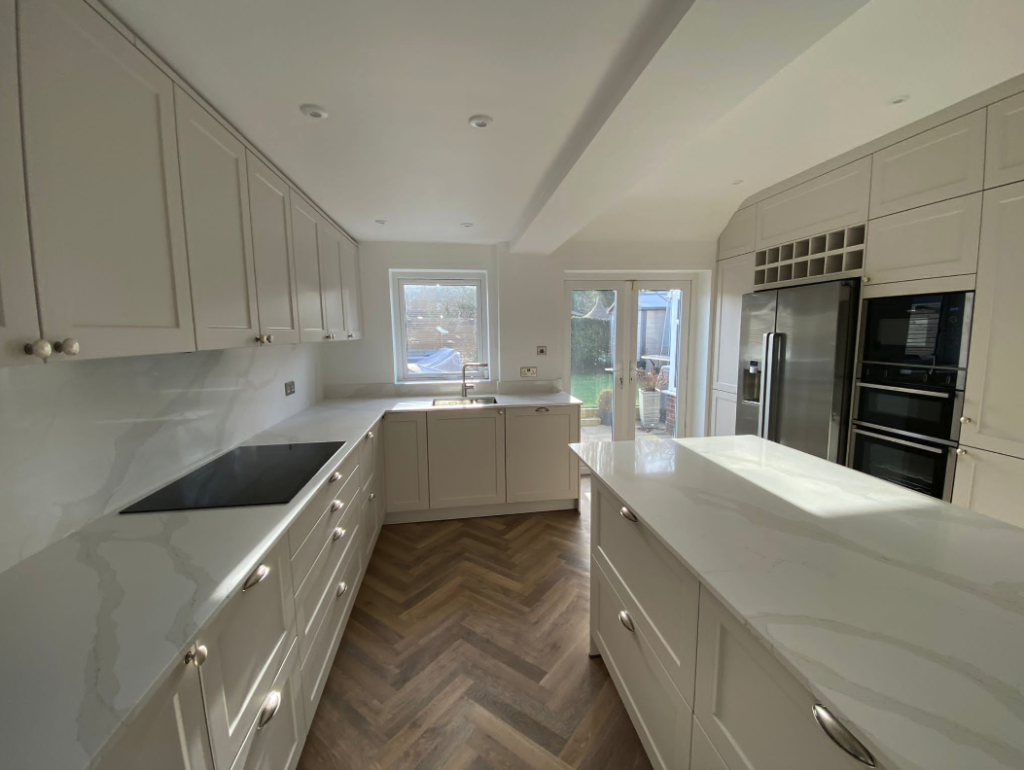
Not all renovations deliver equal returns. Some improvements transform properties into competitive listings that attract multiple offers, while others consume budgets without meaningfully affecting what buyers will pay. Understanding the difference between strategic upgrades and costly missteps helps homeowners allocate renovation dollars where they generate the greatest impact on both appeal and market value.
Prioritizing High-Impact Spaces
Certain rooms carry disproportionate weight in buyer evaluations. Kitchens consistently top the list, with outdated cooking spaces suppressing offers more than almost any other factor. Bathroom conditions follow closely, signaling overall property maintenance to discerning buyers.
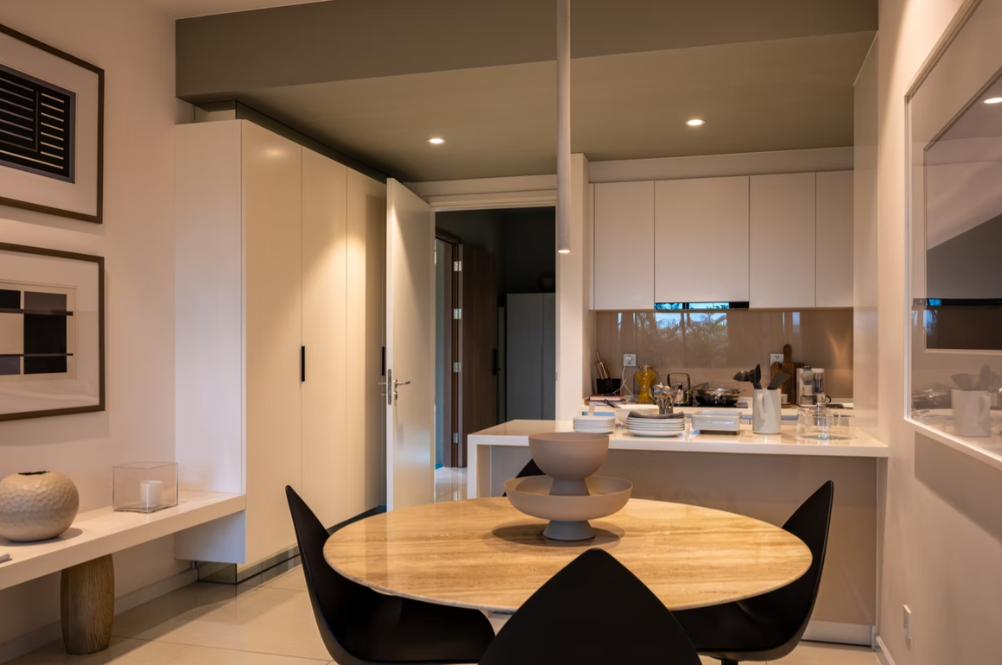
Strategic kitchen renovations focus on elements buyers notice most. Cabinet refacing or replacement modernizes appearances dramatically. Countertop upgrades to quartz or granite satisfy contemporary expectations. Updated appliances suggest a home ready for immediate enjoyment rather than requiring future investment.
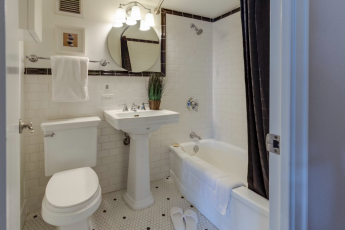
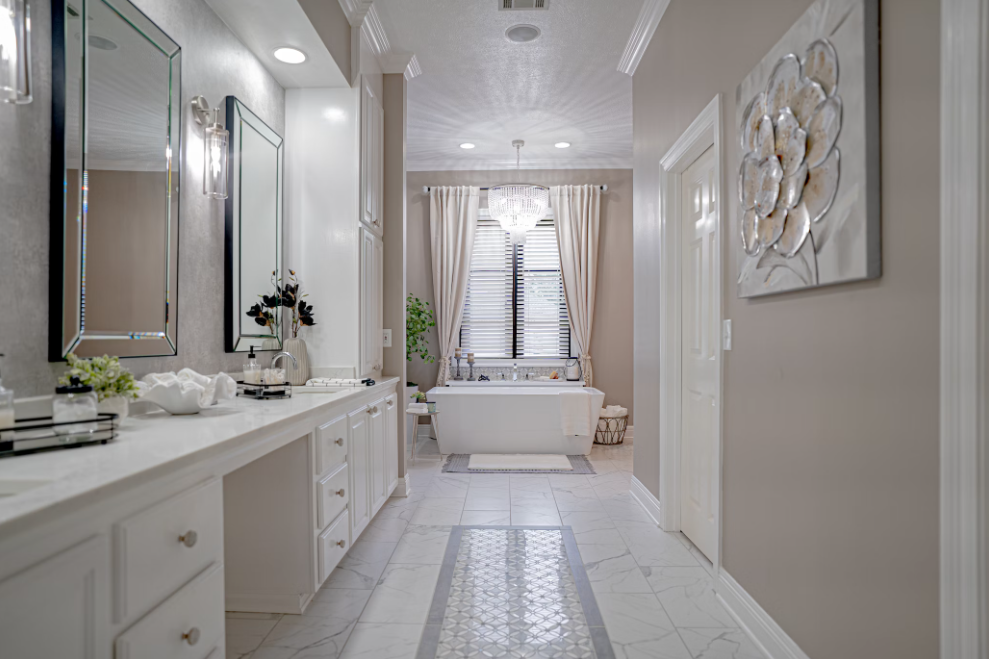
Bathroom improvements need not involve complete gutting to affect perceived value. New vanities, modern fixtures, updated lighting, and fresh tile work can transform dated spaces at modest cost. These targeted upgrades often deliver returns exceeding their investment when properties reach market.
Curb Appeal and First Impressions
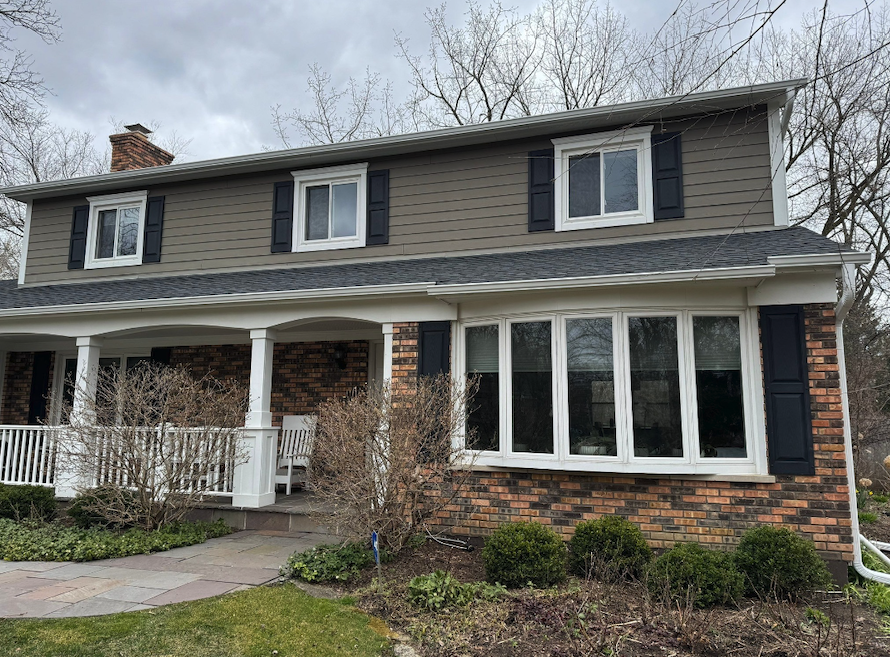
Buyer opinions begin forming before they step inside. Properties with strong curb appeal generate excitement that carries through showings. Those with neglected exteriors face skepticism that even beautiful interiors may not fully overcome.
Exterior paint refreshes tired appearances affordably. Landscaping improvements create welcoming approaches that photograph well for listings. Updated front doors and hardware signal attention to detail. These relatively modest investments shape crucial first impressions that influence final offers.
Outdoor living spaces have gained importance as buyers increasingly value exterior entertaining areas. Decks, patios, and defined outdoor rooms extend functional living space while adding appeal that many buyers now consider essential rather than optional.
Modernizing Without Over-Improving
One of the most common renovation mistakes involves improving properties beyond what neighborhood values support. A luxury kitchen in a modest neighborhood may satisfy personal preferences but rarely returns its full cost at sale. Strategic renovations match improvement levels to market context.
Understanding comparable sales in the immediate area establishes realistic expectations for renovation returns. Properties should be upgraded to compete with the best homes nearby without dramatically exceeding local standards. Real estate professionals provide valuable perspective on which improvements local markets reward.
Experienced agents like those at Gurr Luxury Properties help homeowners identify renovations that align with market expectations, distinguishing between improvements that drive value and those that merely increase cost without proportionate return.
Addressing Functional Obsolescence
Some renovations focus less on aesthetics than on correcting layouts and features that no longer match contemporary living patterns. Closed floor plans that isolate kitchens from living areas feel dated to buyers accustomed to open concepts. Insufficient bathrooms for bedroom counts limit appeal. Inadequate storage frustrates daily living.
Opening walls between kitchens and adjacent spaces can transform how homes feel and function. Adding bathrooms where counts fall short of expectations addresses practical concerns buyers weigh heavily. Built-in storage solutions resolve organizational challenges while adding permanent value.
These functional improvements often deliver stronger returns than purely cosmetic upgrades because they solve problems buyers would otherwise need to address themselves after purchase.
Energy Efficiency Upgrades
Buyers increasingly value properties with lower operating costs. New windows, improved insulation, efficient HVAC systems, and modern appliances reduce utility expenses while enhancing comfort. These upgrades appeal to both environmental consciousness and practical financial concerns.
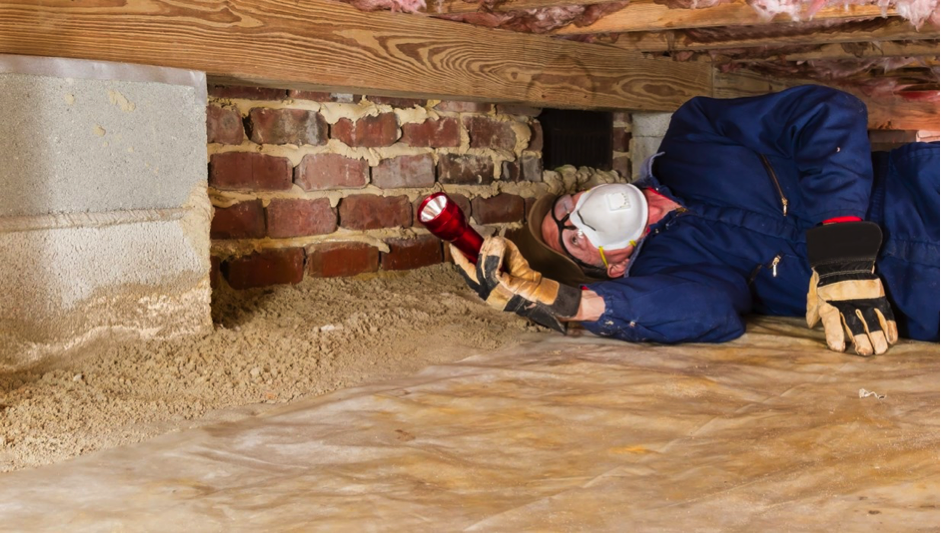
Energy improvements also address inspection concerns that can derail transactions or reduce offers. Updated systems reassure buyers that major expenses will not surprise them shortly after purchase. This peace of mind translates into stronger offers and smoother closings.
Renovation as Investment Strategy
Strategic renovation requires thinking like an investor rather than simply a homeowner. Every dollar spent should generate returns through increased value, faster sales, or both. Prioritizing high-impact improvements, matching upgrade levels to market context, and addressing functional deficiencies positions properties for success. Homeowners who approach renovations strategically protect their investments while creating homes that appeal to the broadest possible buyer pool when selling time arrives.