
8 Renovation Decisions Homeowners Are Glad They Made Early
Most renovation regrets don’t come from what people did — they come from what they didn’t decide soon enough!
When choices are rushed, delayed, or left vague, costs creep up and compromises follow. On the other hand, homeowners who invest time in a few key decisions early often say the rest of the project feels calmer, smoother, and far more rewarding.
Here are eight renovation decisions homeowners consistently say they’re glad they locked in early — and why each one pays off long after the dust settles.
1. Getting Clear on How the Home Will Be Used
Before finishes, fixtures, or floor plans, the smartest decision is defining how the home needs to function. This means being honest about daily routines, future plans, and how spaces will actually be lived in — not just how they look in photos.
Families who clarify this early avoid awkward layouts and rooms that look good but don’t work. Many design-led builders, including Boyce Design + Build, emphasise this step because it shapes every decision that follows.
2. Committing to a Cohesive Layout Early
Layout changes are one of the biggest cost drivers in renovations. Homeowners who finalise their layout early — and resist constant tweaking — tend to stay closer to budget and timeline.
A resolved layout also improves communication across the build, reduces stress, and results in spaces that feel intentional rather than patched together.
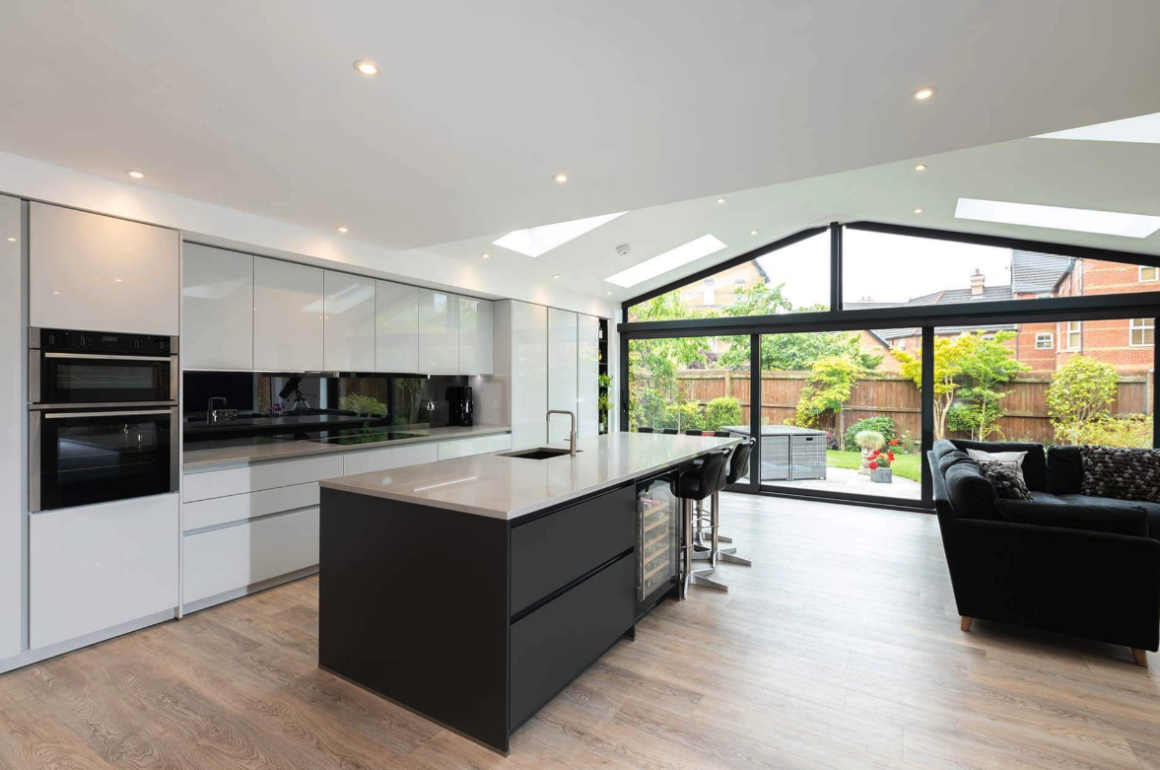
3. Prioritising Natural Light From the Start
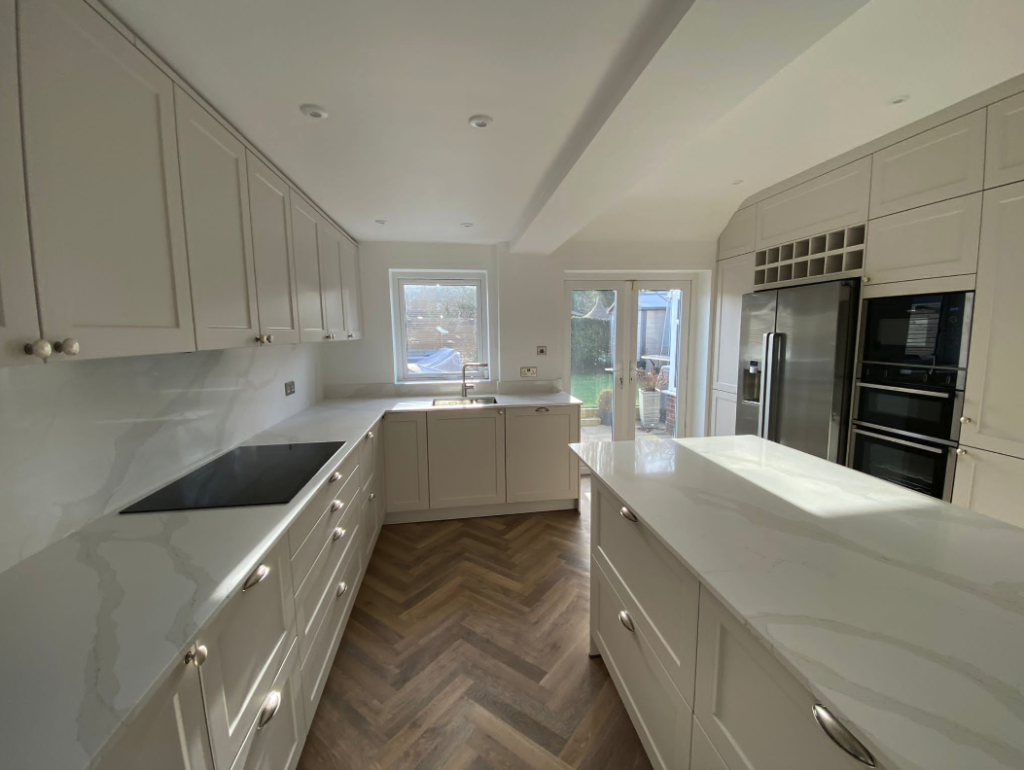
Natural light is difficult and expensive to “fix later”. Homeowners who consider window placement, skylights, and sightlines early often say this single decision transforms how their home feels.
Light makes spaces feel larger, warmer, and more comfortable. When planned upfront, it can often be achieved without major structural cost.
4. Planning Storage Before It Becomes a Problem
Storage is easy to underestimate — until clutter starts creeping in. The homeowners who are happiest post-renovation are usually those who planned storage as part of the design, not an afterthought.
Built-in cabinetry, concealed cupboards, and smart use of awkward spaces keep homes feeling calm and functional long after move-in day.
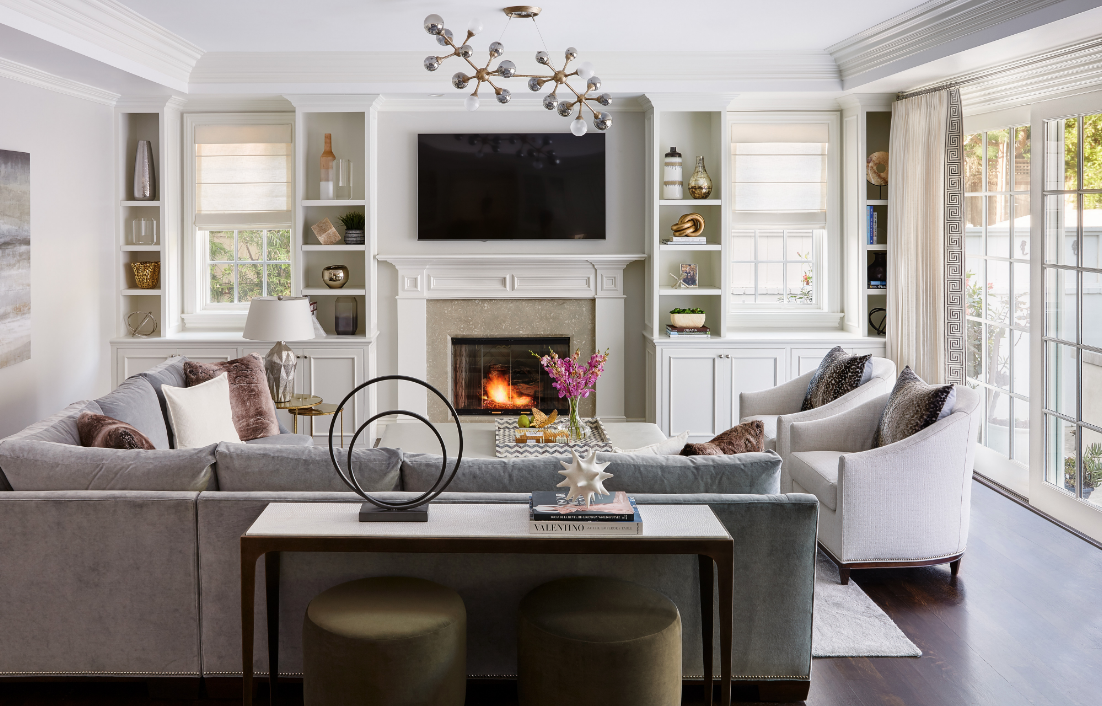
5. Locking in a Consistent Material Palette
One of the simplest ways to avoid visual chaos is choosing a limited, cohesive palette early. Homeowners who do this say it made decision-making easier and prevented expensive last-minute changes.
Consistency doesn’t mean boring. It means finishes relate to each other, creating flow and a sense of quality throughout the home.
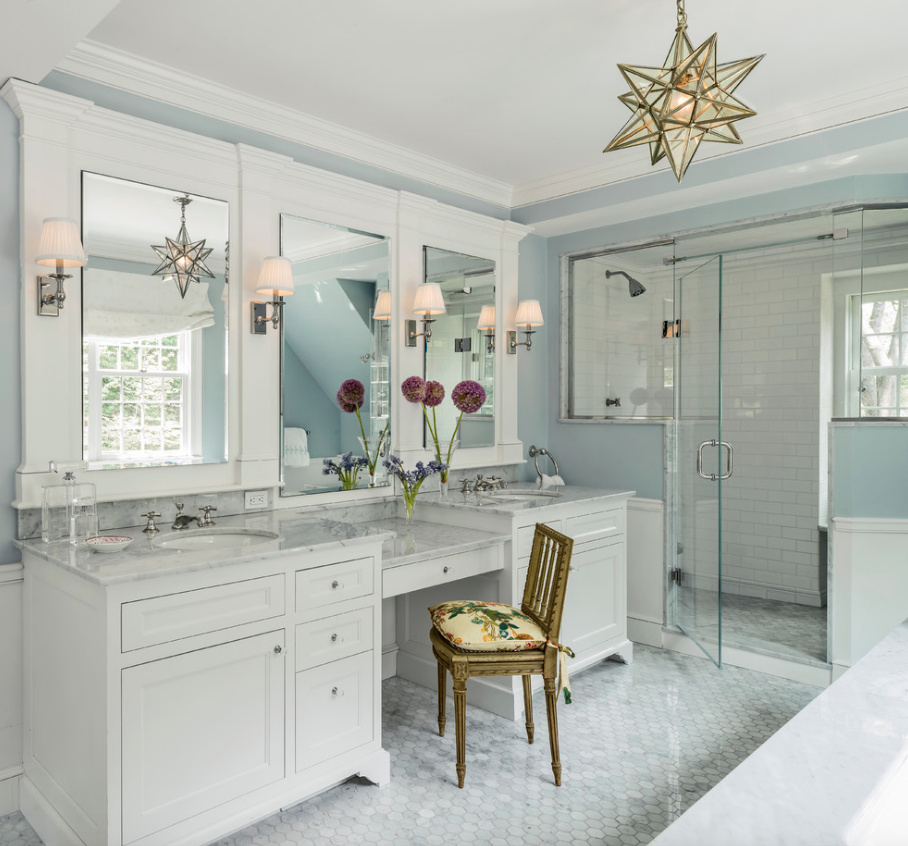
6. Investing in the Things You Touch Every Day
People rarely regret spending a little more on items they use constantly. Flooring underfoot, door handles, tapware, and cabinetry hardware all fall into this category.
Homeowners who allocate budget to these tactile elements early often say their home still feels “new” years later, because the everyday experience holds up.
7. Deciding on Lighting Strategy Upfront
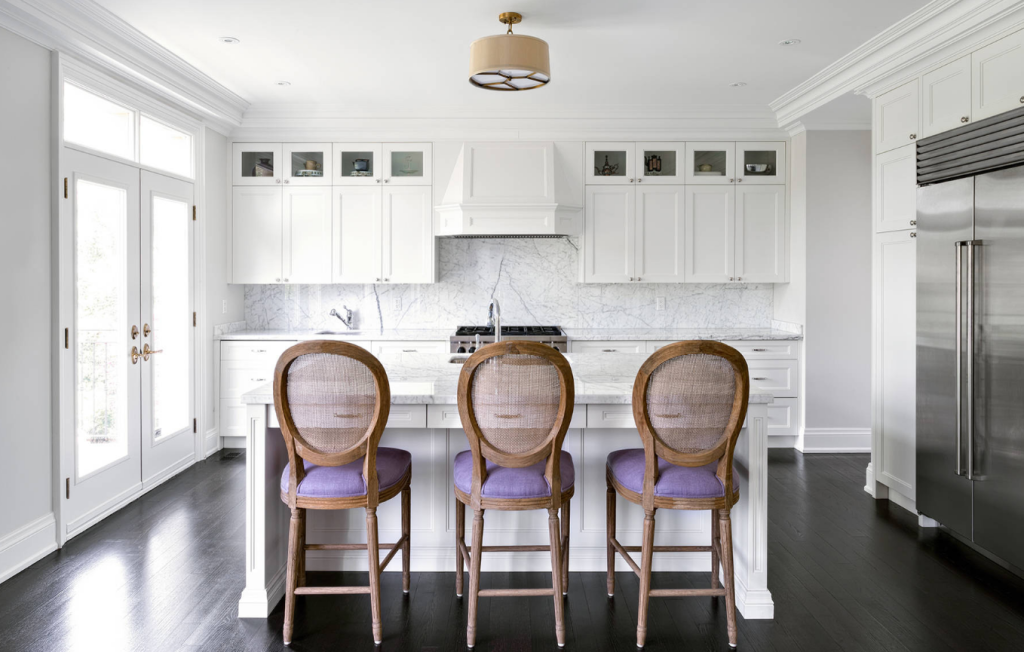
Lighting planned late tends to be generic. Lighting planned early tends to feel considered and flexible.
By deciding early where ambient, task, and feature lighting is needed, homeowners avoid harsh shadows, dark corners, and overreliance on downlights. The result is a home that adapts easily from day to night.
8. Choosing the Right Team From Day One
Perhaps the most common reflection homeowners share is that the right team makes everything easier. Clear communication, realistic expectations, and thoughtful guidance reduce decision fatigue and prevent costly mistakes.
Making this choice early creates trust, streamlines decisions, and allows the design and build process to unfold with far less friction.
Renovations will always involve choices, trade-offs, and moments of uncertainty. But homeowners who make these eight decisions early tend to experience fewer surprises and more satisfaction when the project is complete.
The best renovations don’t just look good — they feel considered, comfortable, and built around real life. And that almost always starts with the decisions made before construction begins.