
Breathe Easier: The Surprising Role of Natural Fibers in Cleaner Indoor Air
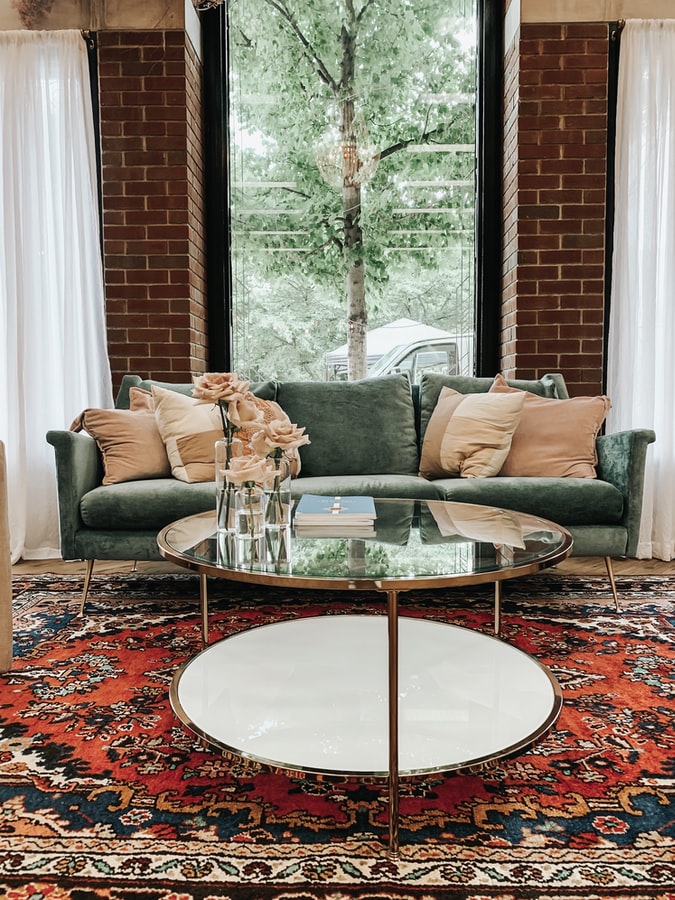
While most people look to air purifiers and plants to clean their home’s air, the surprising solution might already be on your couch!
Something as simple as an earthy throw pillow can quietly help filter indoor air and reduce pollutants. This article explores how natural fibers in everyday decor can transform your space into a fresher, healthier environment.
Our home decor choices go far beyond aesthetics. The materials that make up our rugs, pillows, and curtains directly influence the air we breathe—understanding how natural fibers like jute work can help you create a home that feels both beautiful and breathable. Let’s explore how switching to nature-inspired materials can improve your indoor air quality in ways you might not expect.
How Do I Naturally Purify the Air in My House? The 60-Second Answer
To naturally purify your home’s air, start by increasing ventilation with open windows and fans. Add air-purifying plants like snake plants and peace lilies. Use natural, non-toxic materials in your decor—such as an earthy jute pillow instead of synthetic fabrics—and include natural purifiers like activated charcoal or beeswax candles for a cleaner, fresher environment.
The Invisible Threat: Common Pollutants Lurking in Your Home
Indoor air often contains more pollutants than outdoor air. Everyday items—from furniture to floor finishes—release Volatile Organic Compounds (VOCs) into the air. Synthetic fabrics, plastics, and household cleaners also contribute to this invisible buildup. Common allergens such as dust mites, pet dander, and mold spores add to the mix, creating a recipe for respiratory irritation.
The signs of poor indoor air are subtle but familiar: frequent headaches, fatigue, itchy eyes, or that heavy, stale feeling after a day indoors. These are clues that your indoor environment might be working against your health rather than for it.
Natural vs. Synthetic Fibers: A Choice That Impacts How You Breathe
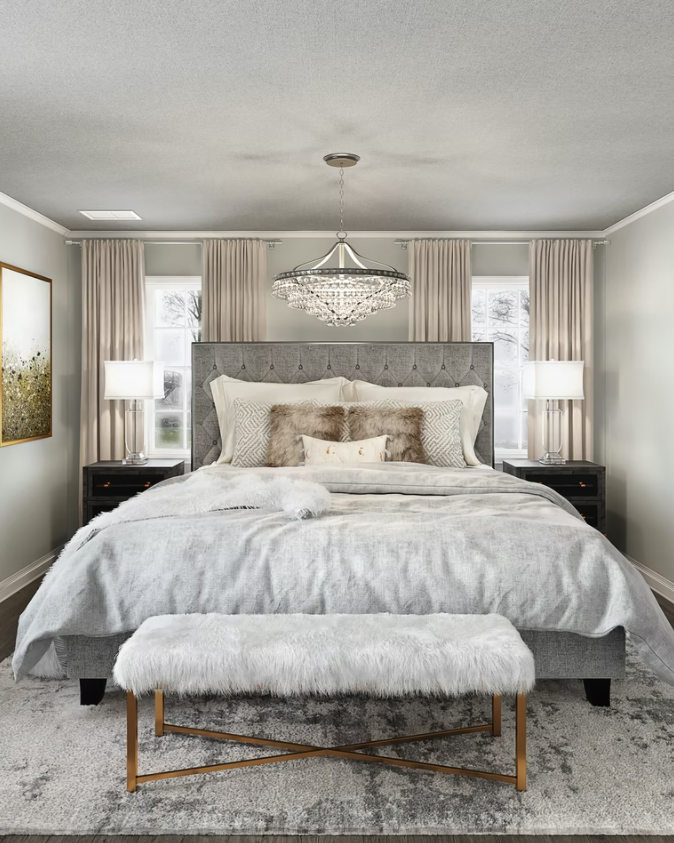
The fabrics filling your home can either purify or pollute your air. Synthetic fibers like polyester, nylon, and acrylic are derived from petroleum-based materials that can emit small amounts of VOCs over time. They also trap allergens, making them harder to keep clean. Natural fibers such as jute, wool, cotton, and linen, on the other hand, are breathable and non-toxic. Because they don’t release microplastics, they help reduce long-term air contamination. Jute—sometimes called the “golden fiber”—is biodegradable, durable, and made from plant stems that grow quickly in renewable cycles. It’s inherently safe, refreshing, and environmentally gentle, making it an ideal choice for eco-conscious decor.
Beyond the Pillow: Decorating with Natural Air-Purifying Textiles
Once you start incorporating natural fibers, the benefits multiply across your home. Here are a few practical ideas:
- Living Room: Opt for wool rugs that capture VOCs and dust particles naturally. Replace synthetic curtains with cotton or linen options to allow airflow.
- Bedroom: Choose organic cotton sheets and wool blankets, both hypoallergenic and excellent at regulating temperature and humidity.
- Throughout the Home: Add sisal baskets, hemp throws, or coir doormats. Each of these fibers is renewable, biodegradable, and supportive of cleaner air.
Each change may seem small, but together they build an environment that breathes with you—not against you.

Embrace Greenery: The Truth About Air-Purifying Plants
Plants like English Ivy, Snake Plants, and Peace Lilies do contribute to fresher air. English Ivy combats mold spores, Snake Plants absorb toxins like benzene and formaldehyde, and Peace Lilies are known to filter harmful chemicals from cleaning products. While it takes many plants to create a noticeable impact, they still enhance humidity, oxygen levels, and comfort.
Essential Habits: Ventilation, Natural Cleaning, and More
Fresh air is still your strongest ally. Regularly open windows and use fans to prevent pollutants from becoming trapped. Replace harsh cleaning agents with natural alternatives such as vinegar, baking soda, or lemon juice. Supplement your natural fiber decor with air-cleansing additions like activated charcoal bags, beeswax candles, or Himalayan salt lamps—all of which help gently and effectively absorb airborne toxins.
Improving indoor air quality is not about one significant change—it’s about layering small, natural choices that add up. From the air you circulate to the textiles you select, every decision shapes the atmosphere you live in. Swapping synthetic accents for natural ones isn’t just a design upgrade—it’s an investment in your wellbeing.
Your home is more than a place to rest; it’s the air you breathe every day. Start small. Choose materials that support both your health and the planet, and experience how breathing easier begins with decorating smarter.