
The Fire Damage Restoration Process Explained: From Emergency Response to Full Rebuild
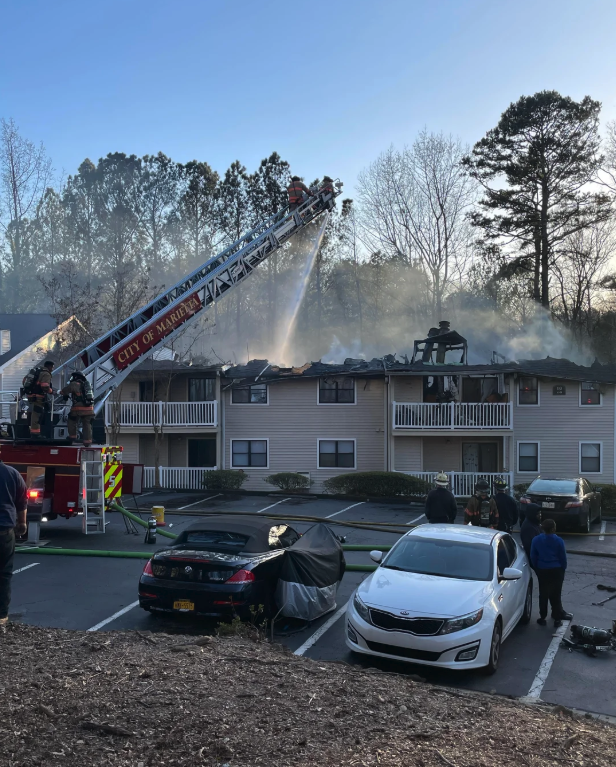
A house fire doesn’t end when the flames are out. In many ways, that’s when the real work begins!
What follows is a structured, multi-phase restoration process designed to bring a property back from chaos to normalcy safely, thoroughly, and in compliance with building standards.
If you’ve never gone through it, the process can feel overwhelming. Here’s a clear, real-world breakdown of how fire damage restoration actually unfolds from the first emergency call to the final rebuild.
Emergency Response: The First Critical Hours
The restoration journey begins with urgency. Once the fire department clears the property, restoration crews step in often within hours. Quick action is essential because damage continues even after the fire is extinguished.
Smoke residues begin to corrode surfaces almost immediately, and water used to put out the fire starts soaking into floors, walls, and structural materials. The longer these issues sit, the worse—and more expensive they become.
During this phase, the goal is simple: stabilize the situation and prevent further damage.
Initial Inspection and Damage Assessment
Before any cleanup begins, professionals conduct a detailed inspection of the property. This isn’t just a quick walkthrough it’s a systematic evaluation of all affected areas.
They assess:
- The extent of fire damage
- How far smoke and soot have traveled
- The level of water damage
- Structural safety risks
You’ll typically receive a restoration plan outlining what needs to be done, along with a timeline and cost estimate. This document also becomes important when working with your insurance provider.
Securing and Stabilizing the Property
Fires often leave homes exposed and vulnerable. Broken windows, damaged roofs, and weakened walls are common.
To protect the property, crews will:
- Board up windows and doors
- Tarp damaged roofing
- Reinforce compromised structures
This step prevents weather exposure, theft, and additional deterioration while the restoration process moves forward.
Water Removal and Drying
It’s easy to focus on fire damage, but water damage is often just as serious. Firefighting efforts can leave behind significant moisture, which quickly leads to mold growth and material breakdown if not handled properly.
Restoration teams use industrial-grade equipment to:
- Extract standing water
- Dry out floors, walls, and ceilings
- Remove hidden moisture from cavities
Drying isn’t rushed. It’s carefully monitored using moisture meters to ensure everything is fully stabilized before moving on.
Smoke and Soot Cleanup
Smoke travels farther than flames. It seeps into every corner of a home behind walls, inside vents, and deep into porous materials.
Soot, depending on the fire type, can be sticky, powdery, or greasy. Each type requires a specific cleaning approach. Professionals use specialized tools and techniques such as:
- HEPA vacuuming
- Chemical sponges
- Targeted cleaning solutions
This phase is one of the most labor-intensive parts of restoration because incomplete soot removal can cause permanent staining and lingering odors.
Cleaning, Sanitizing, and Content Restoration
Once the bulk of soot is removed, attention turns to cleaning and restoring salvageable items. Furniture, clothing, electronics, and personal belongings are evaluated individually.
Some items are cleaned on-site, while others are packed out and taken to specialized facilities for restoration.
At the same time, technicians clean and sanitize the structure itself, addressing:
- Bacteria and contaminants
- Residual smoke particles
- Air quality concerns
Advanced equipment like air scrubbers and filtration systems help remove fine particles from the environment.
Odor Removal: Eliminating the Smoke Smell
One of the most frustrating after-effects of a fire is the persistent smoke odor. It clings to materials and can linger long after visible damage is gone.
To fully eliminate odors, restoration teams use techniques like:
- Thermal fogging to reach deep into materials
- Ozone or hydroxyl treatments to neutralize odor molecules
- Sealing surfaces that can’t be completely cleaned
This step is crucial. Without proper deodorization, the home may never feel truly restored.
Structural Repairs and Reconstruction
Once cleaning and mitigation are complete, the process shifts into rebuilding. This phase varies widely depending on the severity of the fire.
Minor cases may involve:
- Repainting walls
- Replacing flooring
- Installing new drywall
More severe damage can require:
- Rebuilding entire rooms
- Replacing roofing systems
- Structural framing repairs
At this stage, the goal isn’t just to repair it’s to restore the home to its pre-loss condition, often with improvements where possible.
Navigating Insurance and Documentation
Throughout the process, documentation plays a major role. Restoration companies typically work closely with insurance providers to ensure everything is properly recorded and approved.
They assist with:
- Damage reports and photo evidence
- Detailed cost breakdowns
- Communication with adjusters
This support can make a significant difference in how smoothly your claim is processed.
The Final Walkthrough and Completion
Before the project is considered complete, a final walkthrough is conducted. This ensures:
- All damage has been addressed
- Repairs meet quality standards
- The home is safe and livable
At this point, utilities are fully restored, systems are tested, and the property is ready for occupancy again.
Closing Thoughts
Fire damage restoration is not a single task it’s a carefully managed process that moves step by step from emergency response to full rebuild. Each phase has a purpose, and skipping any part can lead to long-term issues.
For homeowners, understanding this process helps set realistic expectations and reduces uncertainty during an already stressful time. With the right team and a structured approach, even severe fire damage can be fully repaired, restoring not just the home, but a sense of normalcy as well.