
Short-Term Rentals 101: Everything New Hosts Need to Know
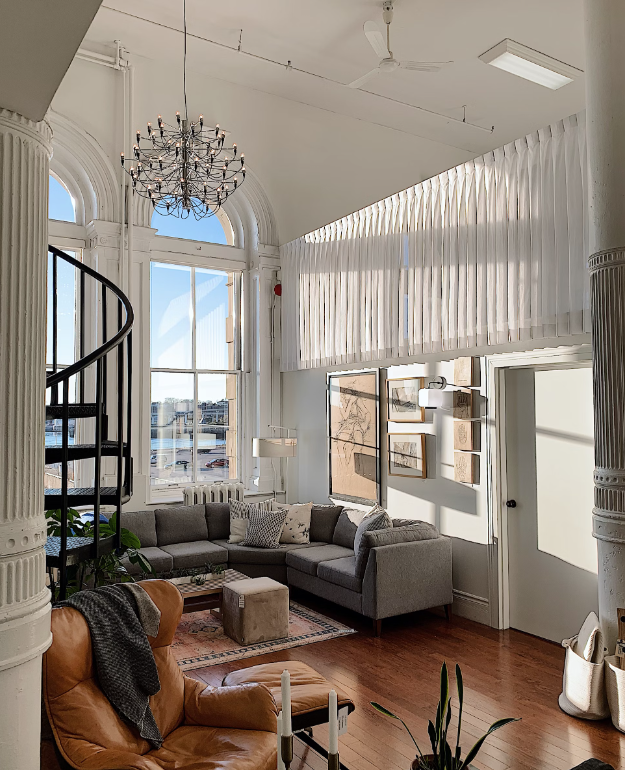
Entering the world of Airbnb and VRBO hosting often feels like a design project first and a business venture second!

New hosts tend to obsess over thread counts, welcome baskets, and finding the perfect mid-century modern coffee table. While guest experience is undeniably important, the real engine of a profitable short-term rental (STR) isn’t the décor, it’s the financial structure operating in the background.
For those stepping into this arena, the difference between a side hustle and a wealth-building asset usually comes down to how well you leverage the unique position STRs hold within the tax code. Unlike traditional landlords who sign annual leases, short-term hosts are running active businesses, and the IRS treats them accordingly.
The Active Business Distinction
The most critical concept for a new investor is the “seven-day rule.” If your average guest stay is seven days or less, the IRS views your property not as a passive rental activity, but as an active trade or business. This might sound like a minor technicality, but it completely alters the landscape of potential deductions.
Because of this classification, losses from an STR can often be deducted against your ordinary income like your W-2 salary or other business profits, rather than being trapped as passive losses that only offset rental income. However, this only works if you materially participate in the operations.
The Sweat Equity Requirement
You cannot simply buy a beach house, hand the keys to a management company, and expect a tax windfall. To unlock the full benefits, you must be involved. The IRS has specific tests for “material participation,” but the most common route for STR owners is the 100-hour rule.
You need to log more than 100 hours of work on the property annually, and no other individual can work more hours than you. This includes the time you spend communicating with guests, managing pricing, coordinating maintenance, and handling supplies. If you outsource everything to a property manager, you likely won’t qualify. Keeping a rigorous, contemporaneous log of your time is non-negotiable; if you are audited, the IRS will want to see exactly what you did and when.

The Power of Bonus Depreciation
The financial heavy lifting for STRs usually comes from depreciation. Under standard rules, you write off a residential building over 27.5 years. That’s a slow trickle of tax savings. However, recent legislative changes have restored 100% bonus depreciation. This legislative change has revitalized tax strategies specifically for short-term rentals, allowing qualifying properties to generate massive first-year deductions.
Through a process called cost segregation, an engineering study identifies parts of the property that aren’t structural – things like appliances, carpeting, driveways, and specialty plumbing. These assets can be reclassified as 5, 7, or 15-year property. With 100% bonus depreciation, you can write off the entire value of those specific components in the very first year.

Risks and Recapture
It is vital to look at the exit strategy before you buy. If you utilize cost segregation to accelerate depreciation, you face “recapture” if you sell the property later. Essentially, the IRS will want some of that tax benefit back, taxed as ordinary income rather than capital gains. This strategy works best for those planning to hold properties for at least five years, allowing the time value of money to work in their favor.
More than Hospitality
Becoming a host is about more than hospitality; it is about rigorous asset management. The combination of the seven-day rule, material participation, and cost segregation creates a unique opportunity to offset high income with property losses. However, these benefits require strict adherence to IRS guidelines and detailed record-keeping. Treat your rental like the business it is, and the financial rewards can extend far beyond the nightly rate.