
How I Learned That a Small Roof Leak Can Turn Into a Big Problem
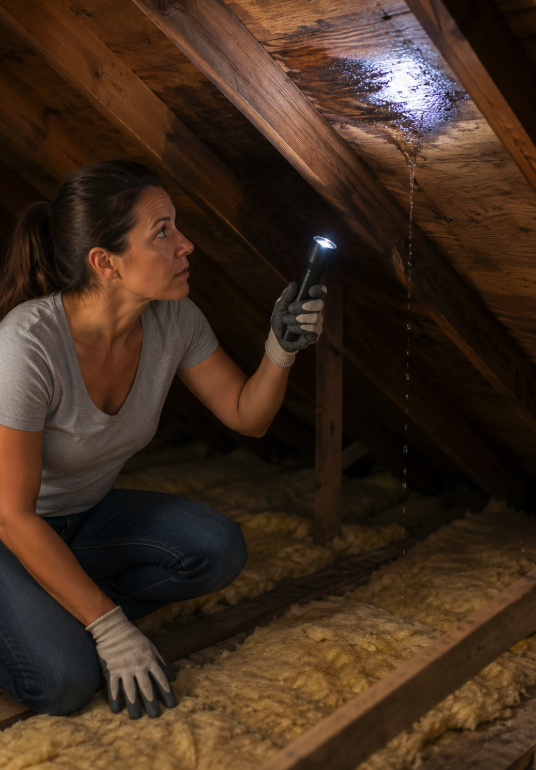
A tiny water stain on the ceiling might not seem like an emergency, but I’ve learned that when it comes to roofing, what looks like a small problem inside can sometimes be hiding a much bigger issue above.
Never Ignore the First Signs of a Leak
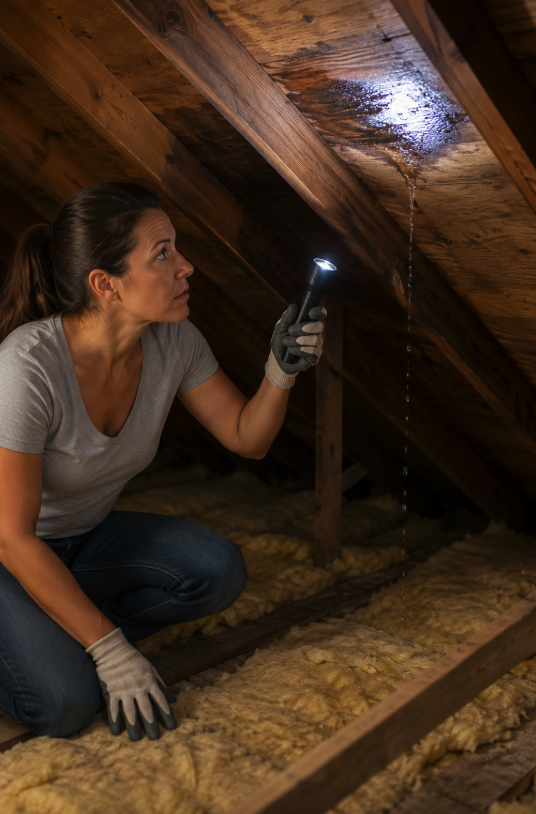
My experience with roof leaks taught me one important lesson: water has an incredible ability to travel. The spot where you see moisture inside a building isn’t necessarily where the water is actually entering. This is why scheduling a professional roof inspection nh can be an important first step when something doesn’t look right. Sentry Roofing, for example, specializes in repairing, replacing, and maintaining commercial and industrial roofing systems, including TPO, PVC, EPDM, metal, and built-up roofing. As a trusted Platinum Duro-Last Contractor, they also provide specialized services such as metal retrofits, leak repairs, and custom maintenance plans to help businesses in Indiana and Illinois protect their facilities.
My Small Leak Didn’t Stay Small for Long
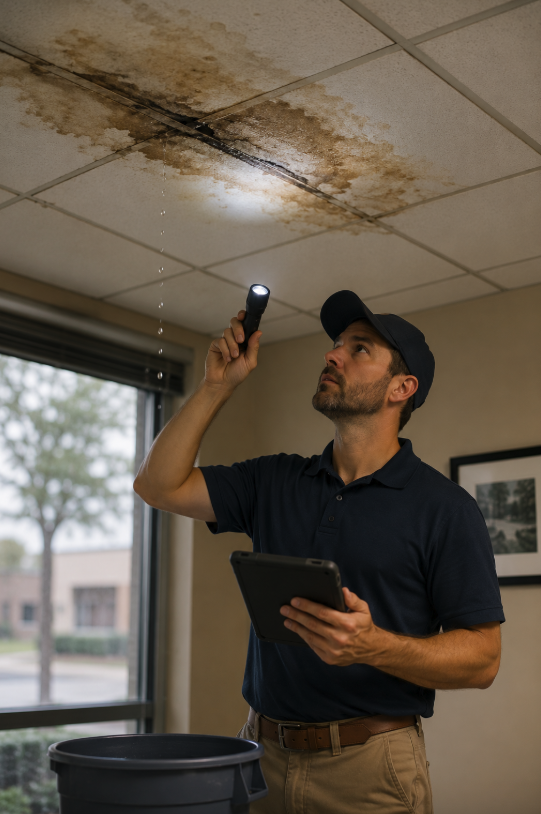
I once noticed a small water mark after a period of heavy rain and initially thought it was something that could wait. It wasn’t dripping, and the stain didn’t seem to be getting noticeably larger, so dealing with it immediately didn’t feel particularly urgent.
That turned out to be a mistake.
By the time the source of the problem was properly addressed, moisture had already made its way beyond the small area I could see. What I thought would be a quick repair became a much bigger project involving damaged materials and additional work that probably could have been avoided if the problem had been investigated earlier.
Since then, I take any sign of a potential roof leak much more seriously.
Commercial Roofs Need Regular Attention
For business owners and commercial property managers, roof maintenance is especially important because these buildings often have large roofing surfaces that aren’t regularly seen.
Unlike the roof of a house, which you might notice every time you pull into the driveway, many commercial roofing systems are flat or low-sloped. Problems can develop without being obvious from ground level.
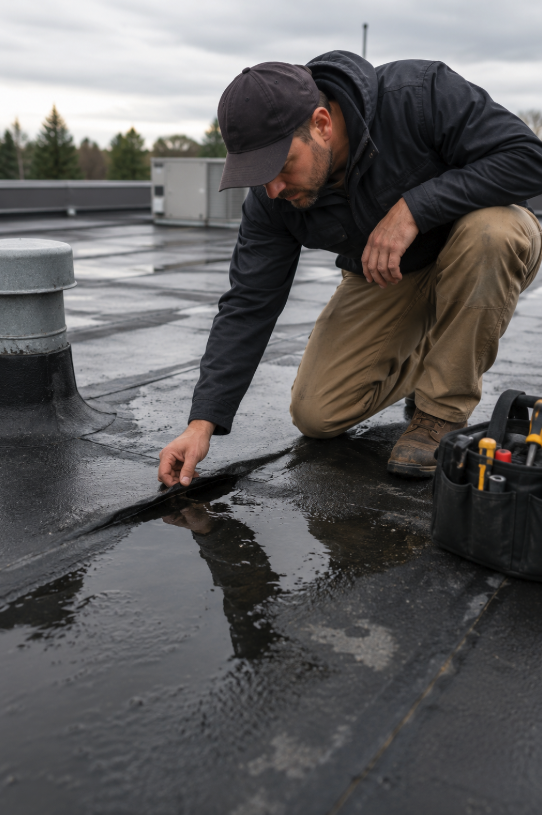
Regular inspections can help identify damaged membranes, deteriorating seams, punctures, drainage problems, and other issues before water begins entering the building.
Know What Type of Roof You Have
Commercial and industrial buildings can use several different types of roofing systems, and each comes with its own maintenance requirements.
TPO, PVC, and EPDM are common single-ply roofing options, while other facilities may have metal or traditional built-up roofing systems. Understanding what’s installed on your property can make it easier to create an appropriate maintenance schedule and recognize when repairs or replacement may be necessary.
Older metal roofs may also be candidates for retrofit solutions, which can provide an alternative to completely removing and replacing the existing roof in certain situations.
Preventive Maintenance Can Make a Difference
One thing I appreciate much more now is preventive maintenance. It’s easy to postpone spending money on something that appears to be working perfectly well, especially when there are more visible improvements competing for your attention.
However, maintaining a roof is ultimately about protecting everything underneath it.
For a business, an unexpected leak can potentially affect inventory, equipment, offices, furnishings, and daily operations. Having a customized maintenance plan and addressing small repairs promptly can help extend the life of the roofing system while reducing the likelihood of disruptive surprises.
Look Up Before There’s a Problem
My experience completely changed the way I think about roof maintenance. I no longer see a small water stain as just a cosmetic problem that needs a coat of paint. I see it as a warning that something else may be happening out of sight.
Whether you own a home, manage a commercial property, or operate an industrial facility, paying attention to the condition of the roof is one of the simplest ways to protect the investment you’ve made in the building.
The sooner a potential problem is inspected, the better your chances of addressing it while it’s still manageable. If there’s one thing I’ve learned, it’s that when it comes to roof leaks, small problems rarely become less expensive when they’re ignored.