
How Long Does Water Damage Restoration Take?
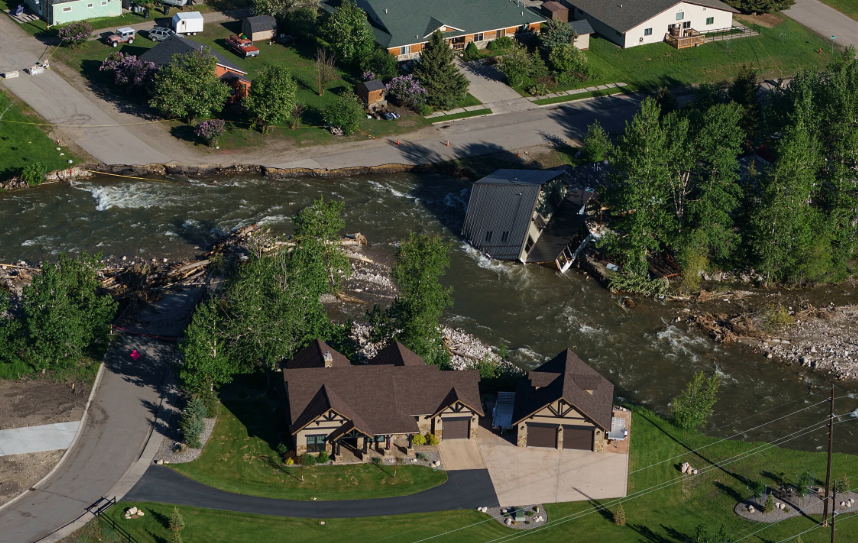
Water damage can happen suddenly, and one of the first questions homeowners ask is how long the restoration process will take before their property is fully dry, repaired, and safe to use again!
One of the first questions property owners ask after a flood, burst pipe, or appliance leak is how long the recovery process will take. While every situation is different, understanding the typical water damage restoration timeline can help homeowners and business owners set realistic expectations and plan accordingly. The duration of a restoration project depends on several factors, including the extent of the damage, the size of the affected area, the type of materials involved, and how quickly professional mitigation begins. In some cases, restoration may take only a few days, while severe water losses can require several weeks or even months to fully repair.
The good news is that modern restoration techniques and advanced drying equipment allow professionals to recover many properties faster than ever before. However, successful restoration requires more than simply removing visible water. Moisture must be thoroughly extracted, hidden dampness must be identified, and damaged materials often need repair or replacement before the property can be considered fully restored.
Why Every Water Damage Situation Is Different
No two water damage incidents are exactly alike. A small leak under a bathroom sink presents a very different challenge than a flooded basement caused by a severe storm. The amount of water involved, the length of time it remained in the structure, and the materials affected all influence the restoration timeline.
For example, water that is discovered and addressed within a few hours may cause minimal damage and require only a few days of drying. On the other hand, a leak that goes unnoticed for weeks can saturate drywall, insulation, flooring, and structural components, creating a much more extensive restoration project.
The source of the water also matters. Clean water from a broken supply line is generally easier to manage than contaminated water from sewage backups or floodwaters, which often require additional cleaning and sanitization procedures.
The First 24 Hours: Emergency Response and Assessment
The restoration process begins as soon as a professional restoration company arrives on site. During the first visit, technicians inspect the property, identify the source of the water intrusion, and evaluate the extent of the damage.
Using moisture meters, thermal imaging cameras, and humidity monitoring equipment, restoration specialists determine how far the water has spread. This assessment is critical because moisture often travels behind walls, beneath flooring, and into areas that are not immediately visible.
Once the inspection is complete, the restoration team develops a plan tailored to the specific situation. Immediate mitigation efforts are then initiated to prevent further damage.
Properties that receive professional attention within the first 24 hours typically experience better outcomes and shorter restoration timelines than those where action is delayed.
Water Extraction: Usually Completed Within One Day
After the assessment phase, standing water must be removed as quickly as possible. Restoration professionals use industrial extraction equipment capable of removing large volumes of water in a relatively short period.
For minor water losses, extraction can often be completed in a few hours. Larger commercial properties or severely flooded homes may require a full day or longer, depending on the amount of water present.
This step is one of the most important phases of restoration because standing water continues to damage building materials and creates ideal conditions for mold growth. The sooner excess water is removed, the easier it becomes to preserve the affected structure.
Drying and Dehumidification: Three to Five Days on Average
Although water extraction removes visible moisture, significant amounts of water often remain trapped within building materials. Drywall, wood framing, insulation, carpet padding, and subflooring can all retain moisture long after surfaces appear dry.
Professional drying equipment is used to accelerate evaporation and control humidity levels. Air movers circulate air throughout the affected areas, while commercial dehumidifiers remove moisture from the indoor environment.
For most residential water damage projects, the drying phase lasts between three and five days. However, larger losses or heavily saturated materials may require additional time.
Throughout the process, technicians perform regular moisture readings to ensure all affected materials are drying properly. Drying equipment is not removed until moisture levels return to acceptable standards.
Cleaning and Sanitization: One to Three Days
Once the structure is dry, cleaning and sanitization begin. Water damage often leaves behind dirt, bacteria, odors, and contaminants that must be addressed before repairs can proceed.
The extent of cleaning depends on the category of water involved. Clean water incidents generally require less intensive treatment, while gray water and black water losses involve more comprehensive sanitization measures.
During this stage, restoration professionals clean affected surfaces, apply antimicrobial treatments when necessary, and remove odors caused by moisture exposure. If personal belongings were affected, content cleaning and restoration may also occur.
For most projects, cleaning and sanitization can be completed within one to three days.
Repair and Reconstruction: Several Days to Several Weeks
After drying and cleaning are complete, attention shifts to repairs. The length of this phase depends largely on the severity of the original damage.
Minor restoration projects may require only simple repairs such as replacing drywall, repainting walls, or installing new flooring. These tasks can often be completed within a few days.
More extensive damage may involve replacing insulation, rebuilding sections of walls, repairing cabinetry, restoring ceilings, or reconstructing entire rooms. In severe cases, structural repairs may be necessary, significantly extending the timeline.
Material availability, contractor schedules, and insurance approvals can also influence how long repairs take to complete.
Factors That Affect the Restoration Timeline
Several variables can impact how quickly a property can be restored after water damage.
Size of the Affected Area
Larger properties naturally require more time to inspect, dry, clean, and repair. A single damaged room can often be restored quickly, while multi-room losses typically involve longer timelines.
Type of Building Materials
Some materials dry faster than others. Hardwood flooring, thick insulation, plaster walls, and structural wood components often require additional drying time compared to less absorbent materials.
Length of Water Exposure
The longer water remains in contact with building materials, the greater the damage. Extended exposure frequently results in additional repairs and longer restoration projects.
Mold Growth
If mold develops before restoration begins, remediation procedures must be completed before repairs can move forward. Mold remediation can add several days or weeks to the overall timeline.
Insurance Approval Delays
In some situations, insurance approvals are required before reconstruction work can begin. Delays in claim processing may extend project completion dates.
Typical Water Damage Restoration Timeline
The following table provides a general overview of how long each phase may take:
| Restoration Phase | Average Duration |
| Emergency Response and Assessment | 1 Day |
| Water Extraction | Several Hours to 1 Day |
| Drying and Dehumidification | 3–5 Days |
| Cleaning and Sanitization | 1–3 Days |
| Minor Repairs | 2–7 Days |
| Major Reconstruction | Several Weeks to Months |
Keep in mind that these estimates vary based on the specific circumstances of each project.
Can Restoration Be Completed Faster?
While some aspects of restoration cannot be rushed, there are steps property owners can take to reduce delays.
Contacting a restoration company immediately after discovering water damage is one of the most effective ways to shorten the recovery process. Prompt action limits moisture spread and helps prevent secondary issues such as mold growth and structural deterioration.
Maintaining clear communication with insurance providers and restoration professionals can also help prevent unnecessary delays during the repair phase.
Signs the Property Is Ready for Repairs
Many property owners are eager to begin rebuilding immediately, but repairs should never start until drying is fully complete.
Professional restoration teams verify readiness by:
- Measuring moisture levels
- Inspecting structural materials
- Confirming humidity control
- Evaluating air quality
- Ensuring hidden moisture has been eliminated
Beginning repairs too early can trap moisture inside building materials and create future problems.
Why Professional Restoration Matters
Some homeowners attempt to handle water damage themselves, but professional restoration offers significant advantages. Specialized equipment can detect hidden moisture that would otherwise remain unnoticed. Proper drying techniques reduce the risk of mold growth, structural deterioration, and recurring problems.
Experienced restoration technicians also understand how different materials respond to water exposure and can determine which components can be salvaged versus those that require replacement.
This expertise often saves both time and money while improving the overall outcome of the project.
Frequently Asked Questions
Can a house dry out on its own?
While some moisture may evaporate naturally, hidden water often remains trapped within walls, flooring, and insulation. Professional drying equipment is typically necessary to ensure complete moisture removal.
How soon should water damage be addressed?
Water damage should be addressed immediately. Delays increase the risk of mold growth, structural damage, and higher restoration costs.
Does every water damage situation require reconstruction?
No. Minor incidents may only require drying and cleaning. Reconstruction is usually necessary when materials become permanently damaged.
Can mold develop during the restoration process?
Mold can begin growing within 24 to 48 hours if moisture is not properly controlled. Professional drying and monitoring help prevent this issue.
Conclusion
The length of a water damage restoration project depends on the severity of the loss, the materials affected, and how quickly professional mitigation begins. While many residential projects can be dried within three to five days, complete restoration often takes one to several weeks when repairs are included. More severe losses involving extensive reconstruction may require significantly longer timelines.
Understanding each phase of the process helps property owners prepare for recovery and avoid unrealistic expectations. By acting quickly and partnering with experienced restoration professionals, homeowners can minimize damage, reduce downtime, and restore their property as efficiently as possible.