
How to Pick the Best Windows for Your Home
Windows have a significant influence on your home’s comfort, design, and energy efficiency. They help connect indoor spaces to the outdoors and can directly impact energy costs, safety, and the overall appearance of your home!
For those considering upgrading their windows, exploring available solutions, such as windows San Antonio, can provide valuable options tailored to specific climates and home requirements.
Making the right choice involves evaluating factors such as your lifestyle, local weather patterns, material preferences, and your house’s architectural style. By approaching the decision with care, you can maximize your home’s energy performance and curb appeal, ensuring comfort year-round and potentially boosting resale value.
Evaluating your household’s needs, including considerations for children, pets, and accessibility, should be at the forefront of your decision. Additionally, understanding what features contribute to efficiency and ease of use will help you narrow down the best options for your home.
Incorporating design aesthetics and personal style is also crucial. The right window can complement or enhance your property’s architecture, making the investment worthwhile from both functional and visual perspectives.
Assessing Your Lifestyle and Climate
Begin the process by observing your day-to-day habits and evaluating your local climate. Households with active children or pets often benefit from windows with between-the-glass blinds for increased safety, easier cleaning, and reduced maintenance. In areas prone to severe weather, such as heat or cold snaps, investing in windows with multiple panes and specialized gas fills can provide noticeable improvements in insulation and comfort.
Understanding Energy Efficiency
Energy-efficient windows have become more important than ever for homeowners looking to save on heating and cooling. Advanced window features, such as Low-E glass coatings, insulated frames, and double- or triple-pane windows, work together to create a more comfortable indoor environment by reducing heat transfer. According to the U.S. Department of Energy, energy-efficient windows can lower energy bills and improve home insulation, which is critical for climate control in both hot and cold regions. Selecting ENERGY STAR certified options is a reliable way to ensure your windows meet national efficiency standards.
Exploring Window Materials
- Vinyl: Popular for its low maintenance and affordable cost. However, vinyl may be susceptible to warping in hotter climates.
- Wood: Known for natural insulation and a timeless look. Periodic maintenance, such as painting or sealing, is required to prevent weather-related damage.
- Aluminum: Strong and offers a sleek, modern appearance. It is less effective as an insulator, making it less suitable for extreme climates unless paired with thermal breaks.
- Fiberglass: Prized for superior energy efficiency and minimal maintenance. The initial investment is typically higher, but long-term performance often outweighs the cost.
Your preferred window material should reflect your climate, values, desired longevity, and aesthetic needs. It is also wise to review user testimonials and warranty information to anticipate any potential issues.
Considering Window Styles
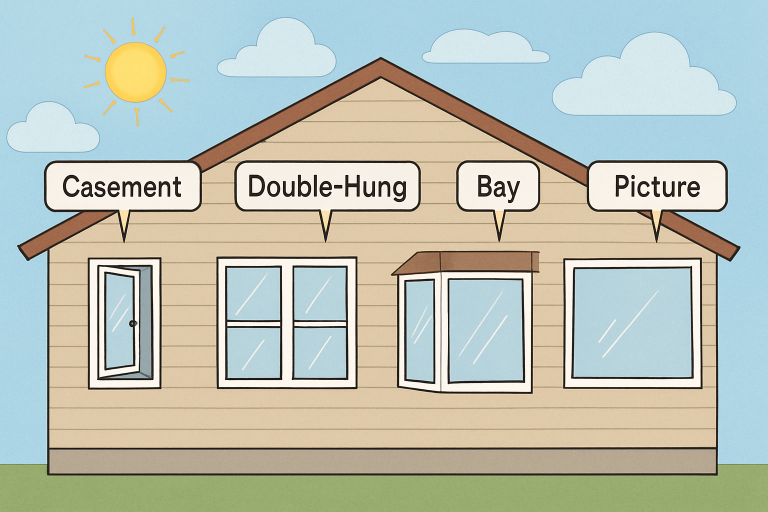
Selecting a window style is about balancing visual impact and practicality. Here are some common types:
- Casement Windows: Side-hinged and open outward, offering superior ventilation and unobstructed views.
- Double-Hung Windows: Feature two movable sashes, allowing versatile airflow and easy cleaning, especially in multi-story homes.
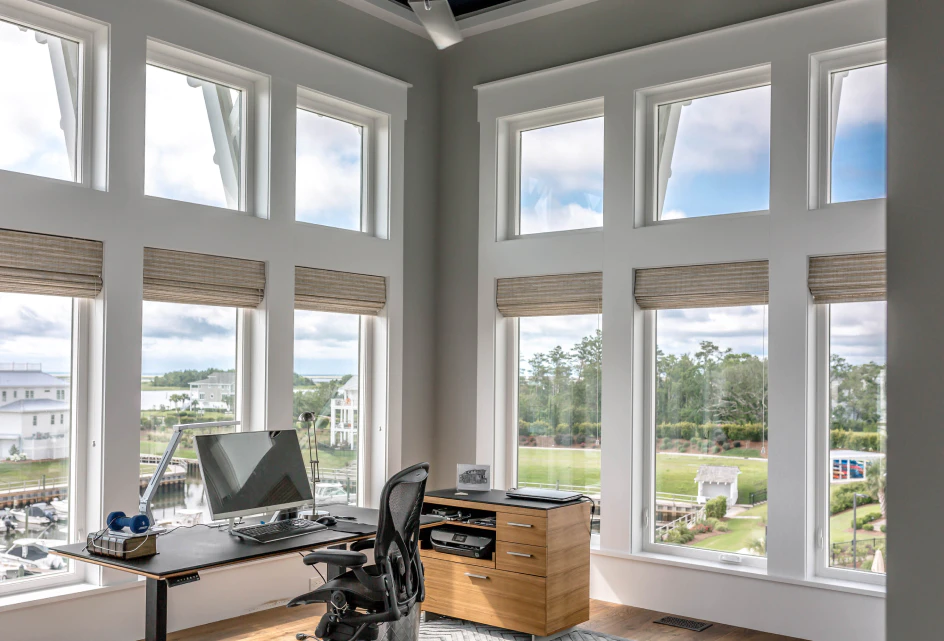
- Picture Windows: Fixed panes that provide a panoramic view and allow ample sunlight, ideal for maximizing natural brightness in living rooms or dining areas.
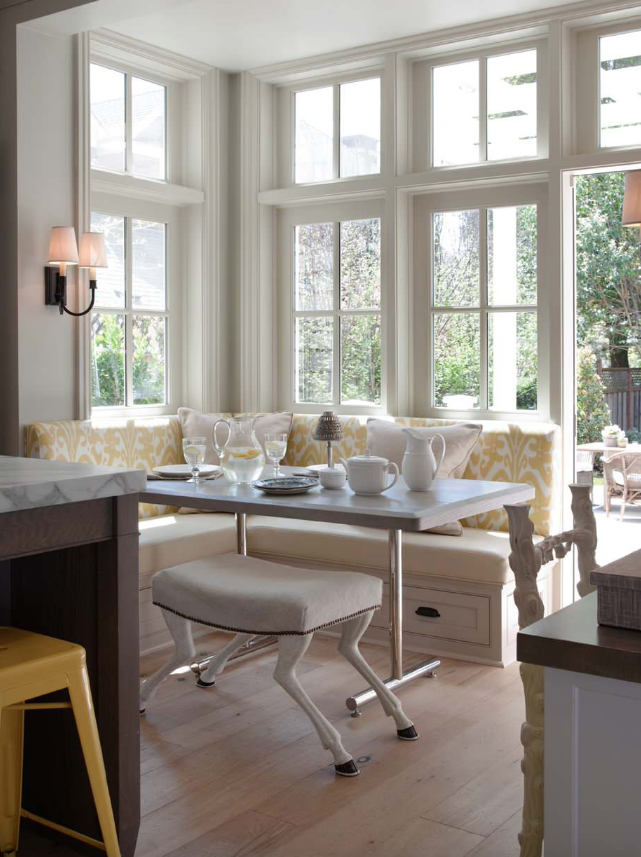
- Bay and Bow Windows: Extend outward from the home, creating additional space and charming architectural detailing.
Choose a window style that complements both the exterior architecture and the room-specific function.

Importance of Proper Installation
No matter how high-quality the window, performance will suffer without professional installation. Gaps, poor insulation, and water infiltration are common results of improper installation. Seek contractors with recognized certifications, like the InstallationMasters® program, which assures strict adherence to industry standards. The National Fenestration Rating Council (NFRC) also recommends vetting installers to safeguard your home against future issues.
Evaluating Warranties and Maintenance
Warranties provide peace of mind by protecting you against manufacturing defects, premature wear, or installation mishaps. Before purchasing, review the warranty details, including exclusions and coverage duration. Regular maintenance, such as lubricating hardware, checking seals, and cleaning the frames, can add years to your investment’s lifespan.
Budget Considerations
Budgeting for replacement or new windows is an important step in the process. While upfront costs may seem high for premium products, superior energy savings, toughness, and fewer repairs make quality windows a wise long-term investment. Check whether local or federal rebates are available for installing energy-efficient windows, as they can reduce overall costs.
Final Thoughts
Choosing windows is a multi-faceted decision that influences your home’s comfort, style, and energy efficiency. By evaluating your environment, exploring material and style options, prioritizing professional installation, and considering warranty and budget issues, you set the stage for a smarter investment. The right windows will bring lasting value, improved comfort, and an inviting aesthetic to your home for many years to come.